
The pot is for more than just soup
The Instant Pot’s arrival felt like a revolution. Initially, the hype centered around speed – the promise of a fully cooked meal in a fraction of the time. But over the years, it became clear that the Instant Pot is capable of much more than just quickly cooking beans or making stock. This isn't another article about how fast it is; it’s a guide to making genuinely good weeknight dinners that happen to be quick too.
The Instant Pot’s versatility stems from its ability to function as a pressure cooker, slow cooker, rice cooker, steamer, and more. While models like the Duo, Pro, and Max offer varying features and price points, the core functionality remains consistent: pressure cooking. The differences mostly come down to pre-programmed settings and build quality, but all are capable of delivering flavorful results.
It’s easy to dismiss the Instant Pot as a kitchen gadget for beginners, but that’s a mistake. Experienced cooks can also dramatically streamline their meal prep and unlock new flavors with this appliance. The pressure cooking process tenderizes tough cuts of meat, intensifies flavors, and reduces cooking times, offering a significant advantage even for seasoned chefs. It's about working smarter, not harder.
How pressure cooking actually works
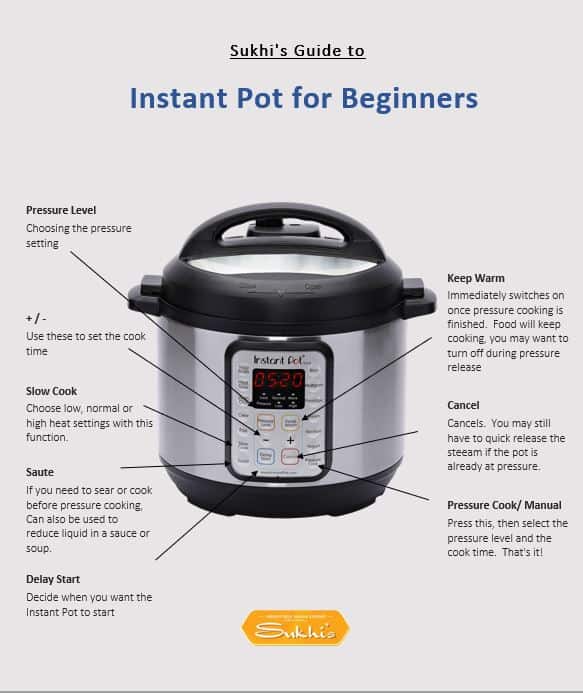
Understanding the basics of pressure cooking is key to success with your Instant Pot. The core principle is simple: increasing the pressure inside the pot raises the boiling point of water, allowing food to cook faster. But there are nuances. Two critical concepts are natural pressure release and quick release.
Natural pressure release (NPR) involves letting the pressure decrease on its own after cooking. This is ideal for foods like soups, stews, and meats, as it prevents them from becoming tough or losing liquid. Quick release (QR) involves manually releasing the pressure by venting the steam valve. This is better for foods that you don’t want to overcook, like vegetables, or when you need to stop the cooking process quickly.
A common concern is the safety of pressure cooking. The Instant Pot is designed with multiple safety mechanisms to prevent explosions. Modern models feature pressure sensors, safety valves, and locking lids. It's crucial to follow the manufacturer's instructions and never attempt to force open the lid while the pot is pressurized. The Six Sisters’ Stuff video on YouTube provides a clear visual explanation of these concepts and safety features. Liquid is also essential; typically, you need at least one cup of liquid for the Instant Pot to come to pressure.
Ingredients that handle the pressure
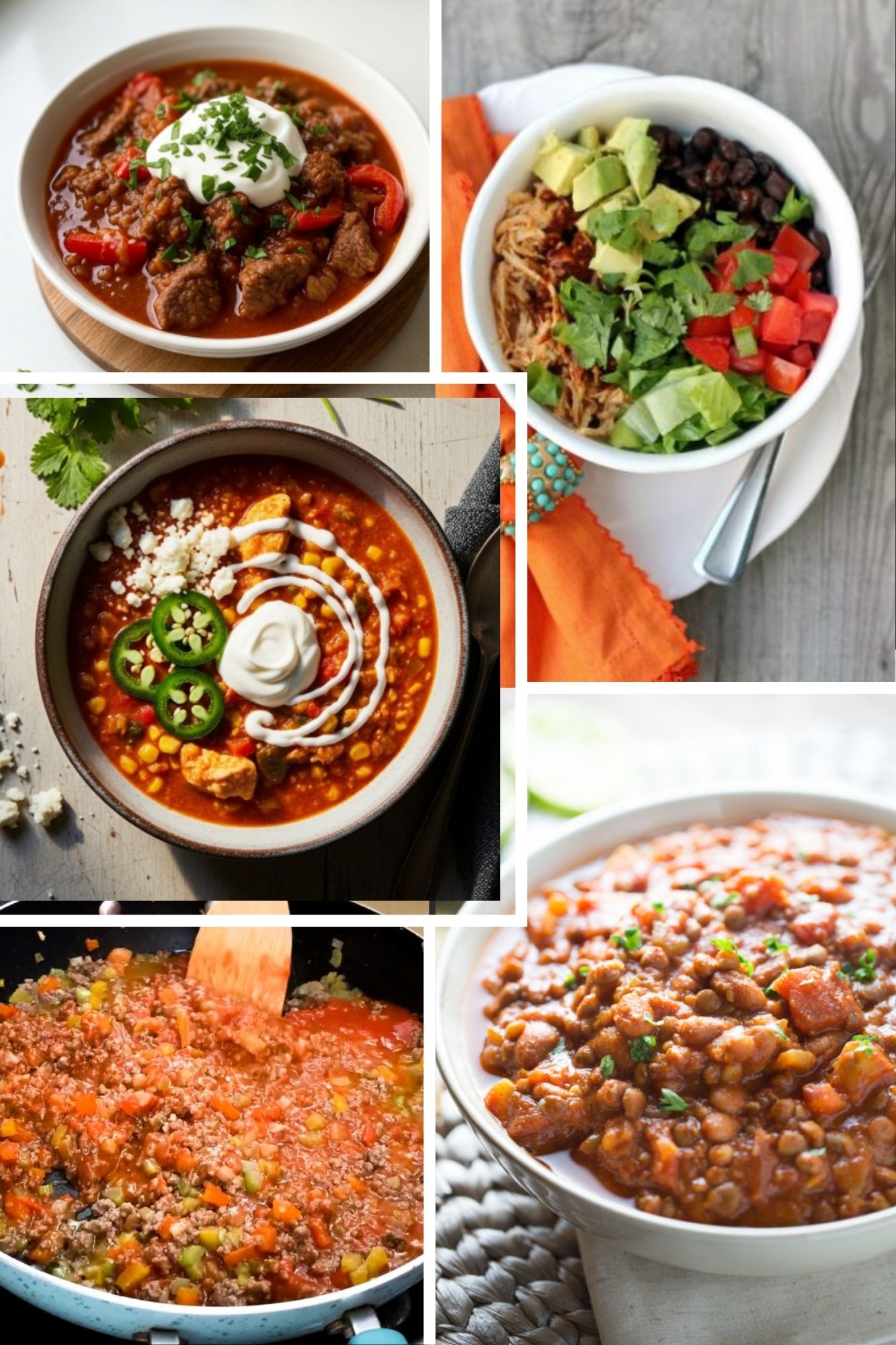
The fastest Instant Pot meals aren’t about complex recipes; they’re about smart ingredient choices. Certain proteins cook exceptionally well and quickly under pressure. Chicken thighs, for example, become fall-off-the-bone tender in about 15 minutes. Ground meat cooks even faster, making it ideal for tacos, chili, or pasta sauces.
Vegetables that hold their shape are your friends. Broccoli, carrots, potatoes, and green beans all work well. Delicate vegetables like spinach or peas are best added towards the end of the cooking process. Building a flavor base quickly is also important. Sautéing onions, garlic, and ginger at the beginning of the recipe adds depth. Pre-made sauces and spice blends are also incredibly useful for simplifying weeknight cooking.
Don’t be afraid to experiment. The Instant Pot is forgiving. If a recipe calls for 10 minutes of pressure cooking, you can often adjust the time slightly to suit your preferences. The goal is to empower you to adapt recipes and create your own signature dishes, rather than rigidly following instructions.
7 Dinners That Prove It: Recipes
Here are seven recipes designed to demonstrate the speed and flavor potential of the Instant Pot. Each recipe is designed to be completed within 30 minutes, including prep time.
1. Lemon Herb Chicken & Potatoes: (Prep: 10 mins, Cook: 15 mins) Combine chicken thighs, potatoes, lemon juice, herbs, and broth in the Instant Pot. Pressure cook for 15 minutes, followed by a natural pressure release. A classic, comforting meal.
2. Salsa Chicken Tacos: (Prep: 5 mins, Cook: 10 mins) Place chicken breasts in the Instant Pot with a jar of salsa. Pressure cook for 10 minutes, then shred the chicken. Serve in tacos with your favorite toppings. It’s incredibly simple.
3. Beef & Broccoli: (Prep: 10 mins, Cook: 8 mins) Sauté beef, then add broccoli, soy sauce, and broth. Pressure cook for 8 minutes. A quick take on a takeout favorite.
4. Creamy Tomato Pasta: (Prep: 5 mins, Cook: 7 mins) Combine pasta, crushed tomatoes, broth, and cream cheese in the Instant Pot. Pressure cook for 7 minutes. A one-pot wonder.
5. Lentil Soup: (Prep: 10 mins, Cook: 12 mins) Combine lentils, vegetables, broth, and spices in the Instant Pot. Pressure cook for 12 minutes. A hearty and healthy option.
6. Chili: (Prep: 10 mins, Cook: 15 mins) Brown ground beef, then add beans, tomatoes, chili powder, and broth. Pressure cook for 15 minutes. Perfect for a cold night.
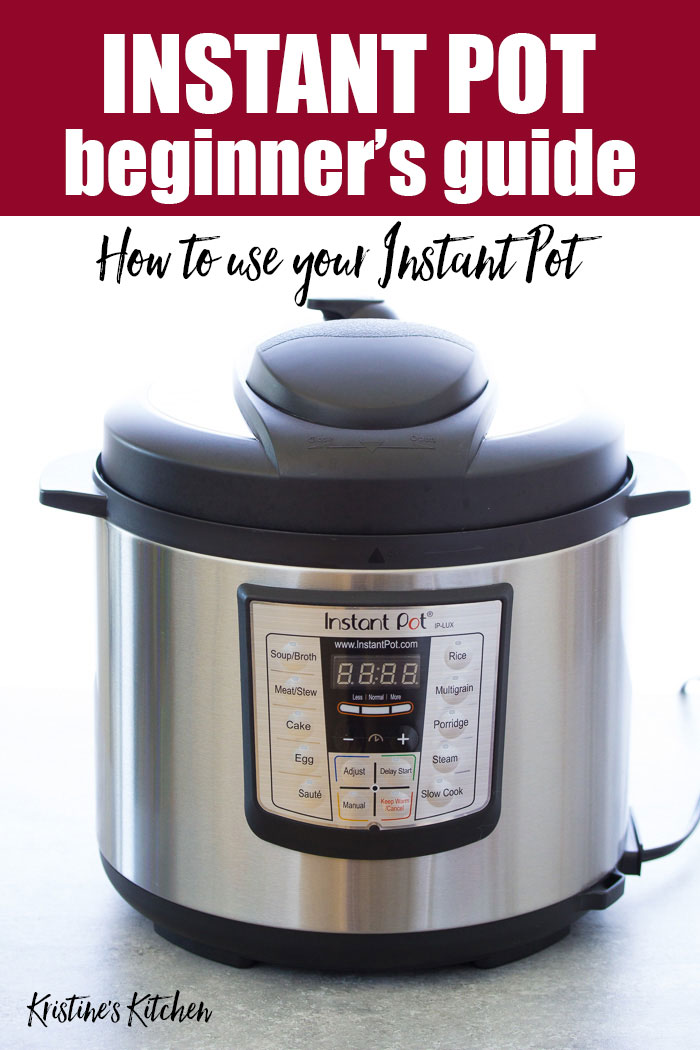
7. Shrimp Scampi: (Prep: 5 mins, Cook: 3 mins) Sauté garlic, then add shrimp, white wine, and butter. Pressure cook for 3 minutes. A surprisingly fast and elegant dish. Kristine’s Kitchen blog offers a wealth of similar recipes for inspiration.
What to do when things go wrong
Even with a relatively straightforward appliance, things can go wrong. One common issue is undercooked food. This usually happens when not enough liquid is used, or the cooking time is insufficient. Always double-check the liquid requirements for your recipe and adjust the cooking time as needed.
Overcooked food is another potential problem. This is more common with quick release, especially for delicate vegetables. Using natural pressure release can help prevent overcooking. The dreaded "burn’ notice often appears when food is stuck to the bottom of the pot. This can be avoided by ensuring there"s enough liquid and by deglazing the pot after sautéing.
Finally, a lid that won’t seal usually indicates a problem with the sealing ring. Make sure it’s properly seated and free of debris. There’s a learning curve with the Instant Pot, and mistakes are inevitable. Don’t be discouraged; each issue is a chance to learn and improve your technique.
Flavor Boosters for Quick Instant Pot Meals
| Sauce/Spice Blend | Dish Pairings | Heat Level | Notes |
|---|---|---|---|
| Gochujang | Korean-inspired stews, bibimbap, marinades for meats (pork, chicken) | Medium-Hot | Fermented chili paste offering umami and a complex flavor. |
| Harissa Paste | North African stews, roasted vegetables, chicken tagines, lentil soups | Medium-Hot | Rose chili paste, often with smoked paprika and garlic. |
| Italian Seasoning | Pasta sauces, chicken dishes, vegetable soups, bean stews | Mild | A versatile blend of dried herbs like oregano, basil, rosemary, and thyme. |
| Yellow Curry Paste | Chicken or vegetable curries, lentil stews, seafood dishes | Medium | Typically includes turmeric, cumin, coriander, and chili peppers. |
| Chimichurri | Grilled or pressure-cooked steak, chicken, fish, vegetables | Mild | Argentinian herb sauce, typically parsley-based with garlic and olive oil. |
| Sriracha | Asian-inspired soups, noodle dishes, marinades for proteins | Hot | Thai chili sauce, known for its vinegar tang and heat. |
| Smoked Paprika | Chili, stews, rubs for meats (pork, beef), roasted vegetables | Mild | Adds a smoky flavor profile without significant heat. |
| Garam Masala | Indian curries, lentil dishes, vegetable stews | Mild-Medium | A blend of warming spices like cinnamon, cardamom, and cloves. |
Illustrative comparison based on the article research brief. Verify current pricing, limits, and product details in the official docs before relying on it.

No comments yet. Be the first to share your thoughts!