
Welcome to Instant Pot Cooking
So, you're thinking about joining the Instant Pot club? 🎉 That’s fantastic! It can seem a little intimidating at first, but trust me, it's a game-changer in the kitchen. The Instant Pot isn’t just a pressure cooker – it's a multi-cooker, a slow cooker, a rice cooker, a yogurt maker, and so much more, all rolled into one handy appliance.
If you're new to cooking, or just looking for ways to simplify things, an Instant Pot can be a real lifesaver. It takes the guesswork out of many recipes and dramatically cuts down on cooking time. Forget hovering over a stove for hours – the Instant Pot does a lot of the work for you.
This guide is designed for complete beginners. We'll walk you through 15 essential functions, with step-by-step instructions, so you can start creating delicious meals with confidence. We’ll cover everything from basic pressure cooking to making yogurt and even cake! Safety is important, and we'll address that too, making sure you understand how to use your Instant Pot safely and effectively.
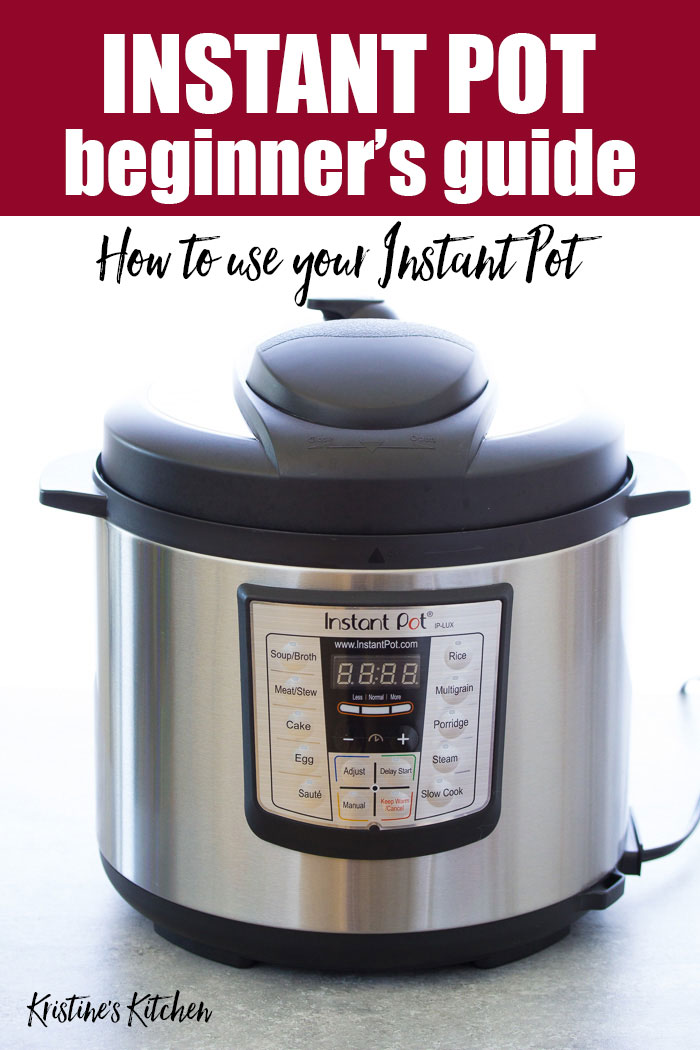
Understanding Your Instant Pot
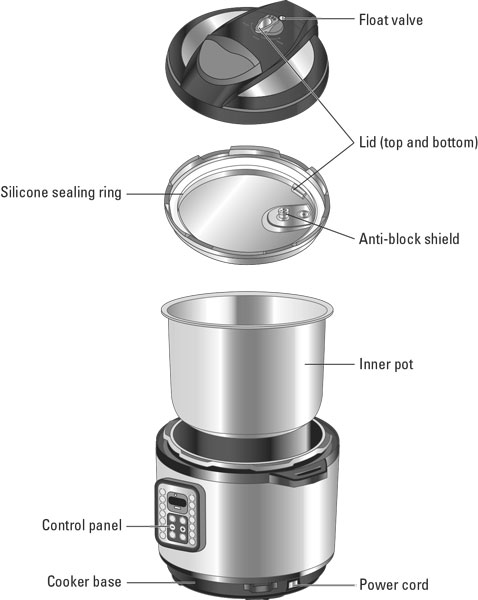
Let’s break down the parts of your Instant Pot. It might look complex, but once you know what everything does, it’s pretty straightforward. The lid is, of course, essential – it creates the airtight seal needed for pressure cooking. Underneath the lid, you’ll find the sealing ring (also called a gasket), which is crucial for maintaining that seal.
The steam release valve controls the release of pressure. It has two positions: sealing and venting. The inner pot is where the food actually goes – it’s usually made of stainless steel. The housing is the outer shell of the Instant Pot, and the control panel is where you select your desired function and adjust settings.
There are several different Instant Pot models, like the Duo, Pro, and Max. Most of the functions we’ll cover apply to all of them, though some models have extra features. The Instant Pot also comes in different sizes – 3-quart, 6-quart, and 8-quart are the most common. A 3-quart is great for singles or couples, a 6-quart is ideal for families of four, and an 8-quart is perfect for larger families or batch cooking.
Pressure Cooking 101: The Basics
Pressure cooking works by creating a sealed environment that traps steam. As the steam builds up, it increases the pressure inside the pot, which raises the boiling point of water. This higher temperature cooks food much faster than traditional methods. It's like giving your food a super-charged steam bath! Think of it as a shortcut to tender, flavorful meals.
There are two main ways to release the pressure after cooking: natural pressure release (NPR) and quick release (QR). NPR means letting the pressure decrease on its own, which can take 10-30 minutes. This is best for foods that need to rest and continue cooking, like soups and stews. QR involves manually releasing the pressure by carefully opening the steam release valve – be cautious, as hot steam will escape!
Safety is paramount when pressure cooking. Always ensure the sealing ring is properly in place and the steam release valve is in the correct position before starting. Never try to open the lid while there’s still pressure inside. You also need to add liquid to the pot – at least 1 cup for most recipes – to create the steam needed for pressure cooking. Not enough liquid can lead to a 'Burn' notice, which we'll cover later.
15 Essential Instant Pot Functions
Now for the fun part! Let's explore 15 functions that will have you mastering your Instant Pot in no time. We'll start with the basics and move on to some more specialized functions.
1. Pressure Cook: This is the core function. Perfect for tough cuts of meat like beef stew (cook for 35 minutes on high pressure with 1.5 cups of broth) or fall-off-the-bone chicken (25 minutes on high pressure, 1 cup of broth).
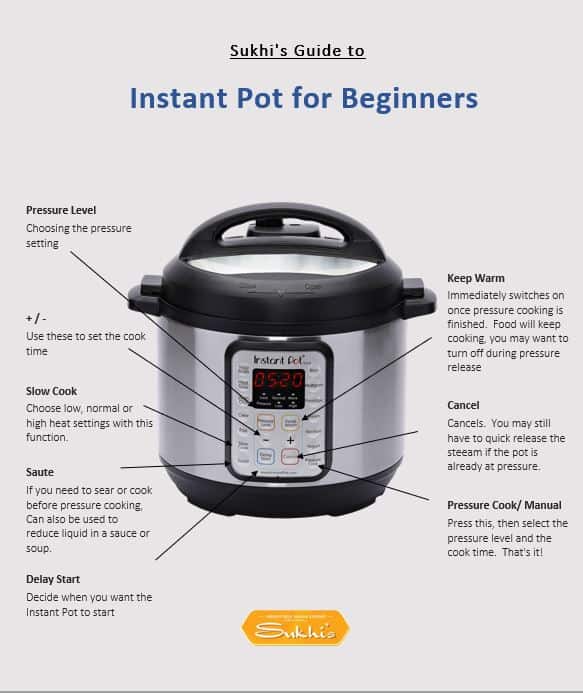
2. Sauté: This allows you to brown meat or vegetables directly in the Instant Pot before pressure cooking, building flavor. Sauté onions and garlic for 5 minutes before adding ingredients for chili.
3. Steam: Ideal for vegetables and seafood. Steam broccoli for 0 minutes on high pressure (yes, zero! The residual heat is enough) for perfectly crisp-tender results. Or steam salmon for 3 minutes.
4. Slow Cook: Replicates the results of a traditional slow cooker. Use this for pulled pork (8 hours on low) or chili (6-8 hours on low).
5. Rice: Cooks perfect rice every time. Use a 1:1 rice-to-water ratio and cook for 3 minutes on high pressure, followed by a 10-minute natural pressure release.
6. Porridge: Great for oatmeal or other breakfast porridges. Combine 1 cup of rolled oats with 3 cups of water and cook for 5 minutes on high pressure, followed by a quick release.
7. Yogurt: Make your own delicious yogurt! Heat milk to 180°F using the Sauté function, then cool and add yogurt starter. Use the Yogurt function for 8-12 hours.
8. Soup/Broth: Perfect for making flavorful soups and broths. Combine ingredients and cook for 20-30 minutes on high pressure.
9. Multigrain: Cooks quinoa, barley, and other grains. Use a 1:2 grain-to-water ratio and cook for 15-20 minutes on high pressure.
10. Bean/Chili: Specifically designed for cooking beans and making chili. No pre-soaking required! Cook dried beans for 25-30 minutes on high pressure.
11. Poultry: Optimizes cooking time for chicken and turkey. Cook a whole chicken (about 3-4 pounds) for 24 minutes per pound on high pressure.
12. Cake: Yes, you can bake a cake in your Instant Pot! Use a 7-inch cake pan and cook for 30-40 minutes on high pressure.
13. Egg: Makes perfect hard-boiled eggs. Add 1 cup of water and cook eggs for 5 minutes on high pressure, followed by a quick release.
14. Keep Warm: Keeps food warm for hours after cooking. This is great for busy weeknights.
15. Sterilize: Useful for sterilizing baby bottles or canning jars. Follow the manufacturer’s instructions for specific times and settings.
Troubleshooting Common Issues
Even with a fantastic appliance like the Instant Pot, you might run into a few hiccups. Let’s address some common problems and how to fix them. The dreaded 'Burn' notice usually means there wasn’t enough liquid in the pot. Add more liquid and scrape the bottom to prevent sticking.
If your food isn't cooking through, double-check the cooking time and pressure level. You might need to increase the time or ensure the pressure is reaching the correct level. A lid that won't seal usually means the sealing ring isn't properly in place or there's debris preventing a tight seal. Clean the sealing ring and ensure it's seated correctly.
Steam release issues can be caused by a blocked steam release valve. Carefully clean the valve to remove any obstructions. Cleaning and maintenance are crucial. Wash the inner pot and lid after each use. The sealing ring can absorb odors, so soak it in vinegar and baking soda periodically.
Beyond the Basics: Recipes to Try
Now that you've mastered the basics, let's put your skills to the test with a few more advanced recipes. These will build on what you've learned and expand your Instant Pot repertoire.
Instant Pot Chicken Tikka Masala: - A flavorful Indian classic that’s surprisingly easy to make in the Instant Pot.
Instant Pot Beef Bolognese: - A rich and hearty pasta sauce that simmers to perfection in the Instant Pot.
Instant Pot Shrimp Scampi: - A quick and easy weeknight meal that’s bursting with flavor.
Instant Pot Chocolate Cheesecake: - Indulge in a decadent dessert without turning on your oven.
Instant Pot Lentil Soup: - A healthy and hearty soup perfect for a cold day.
Instant Pot Accessories: Worth It?
The Instant Pot world is full of accessories, but do you really need them? An extra inner pot is useful if you want to make multiple dishes in a row without washing, or if you want to use one pot for cooking and another for sautéing. A steaming rack is handy for steaming vegetables or making layered desserts.
A glass lid is great for monitoring food while sautéing, as it allows you to see what’s happening without releasing pressure. Silicone egg molds can make cooking hard-boiled eggs even easier. However, many accessories are unnecessary – you can often achieve the same results with tools you already have in your kitchen.
Personally, I find an extra inner pot and a steaming rack to be the most useful accessories. They make cooking more convenient and versatile. Don’t feel pressured to buy everything – start with the basics and add accessories as you discover your needs.
Instant Pot Accessories: A Beginner's Guide
| Accessory | Usefulness | Price | Cleaning Difficulty |
|---|---|---|---|
| Steamer Basket 🧺 | High | $ | Easy |
| Egg Rack | Medium | $ | Easy |
| Springform Pan (6-inch) | Medium | $$ | Medium |
| Glass Lid | High | $$ | Easy |
| Extra Sealing Ring | High | $ | Easy |
| Silicone Bites & Bits Trivet | Medium | $ | Easy |
| Stackable Steaming Rack | Medium | $$ | Medium |
| Instant Pot Tempered Glass Lid | High | $$ | Easy |
Illustrative comparison based on the article research brief. Verify current pricing, limits, and product details in the official docs before relying on it.


No comments yet. Be the first to share your thoughts!