
Meet Your New Kitchen Workhorse
The Instant Pot is a popular kitchen appliance known for its versatility. While it can simplify cooking, it requires some understanding to use effectively.
Getting started with a new appliance can sometimes lead to unexpected results. This guide aims to provide a solid foundation for using your Instant Pot, helping you avoid common initial frustrations.
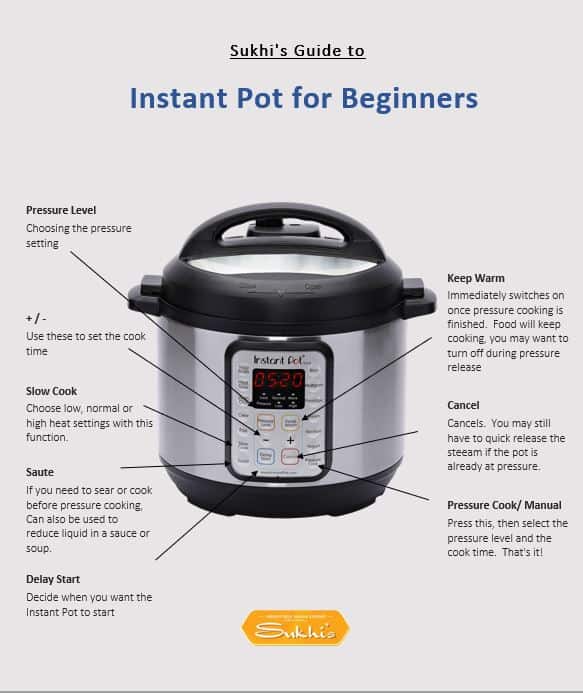
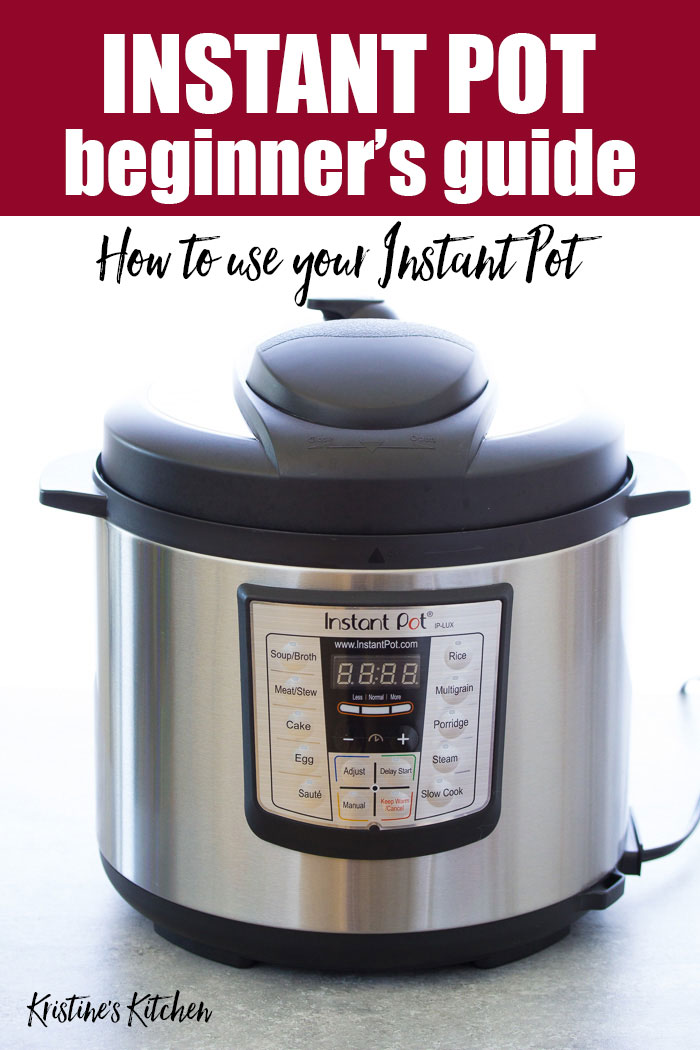
The Instant Pot is an electric pressure cooker that also functions as a slow cooker, rice cooker, steamer, sauté pan, yogurt maker, and more. It consists of an inner pot, a lid that seals for pressure cooking, a control panel, and a steam release valve.
The control panel may seem complex, but its functions will be explained. Modern Instant Pots include multiple safety mechanisms to prevent uncontrolled pressure buildup. Understanding pressure is important for effective use, and this guide will cover it. While it won't replace all other appliances, it can significantly streamline cooking tasks.
20 Functions You Didn’t Know You Needed
Beyond basic pressure cooking, the Instant Pot offers a wide range of functions. Most models include core features, with higher-end versions offering more. Here are 20 functions with brief explanations and recipe ideas.
1. Pressure Cook: The star of the show. Cooks food quickly using high pressure. Recipe Idea: Beef Stew. 2. Sauté: Browns and sears food directly in the pot. Recipe Idea: Browning ground beef for chili. 3. Slow Cook: Replaces your slow cooker for low-and-slow meals. Recipe Idea: Pulled Pork. 4. Steam: Perfect for vegetables, fish, and more. Recipe Idea: Steamed Broccoli. 5. Rice: Makes fluffy rice every time. Recipe Idea: White Rice. 6. Porridge: Ideal for oatmeal and other breakfast cereals. Recipe Idea: Steel-Cut Oats. 7. Yogurt: Makes homemade yogurt. Recipe Idea: Plain Yogurt. 8. Soup/Broth: Specifically designed for making soups and broths. Recipe Idea: Chicken Noodle Soup.
9. Stew: Similar to soup, but with thicker consistency. Recipe Idea: Irish Stew. 10. Bean/Chili: Optimized for cooking beans and chili. Recipe Idea: Black Bean Chili. 11. Poultry: Pre-programmed settings for chicken and other poultry. Recipe Idea: Whole Roasted Chicken. 12. Multigrain: Cooks various grains like quinoa and barley. Recipe Idea: Quinoa Salad. 13. Dessert: For cheesecakes, custards, and other desserts. Recipe Idea: Chocolate Lava Cake. 14. Egg: Makes hard-boiled or steamed eggs. Recipe Idea: Perfect Hard-Boiled Eggs. 15. Cake: Used for baking cakes. Recipe Idea: Vanilla Cake. 16. Keep Warm: Keeps food warm for hours. Recipe Idea: Holding a finished dish before serving. 17. Sterilize: Useful for sterilizing baby bottles or canning jars. Recipe Idea: Sterilizing baby bottles.
18. Baby Food: Creates smooth purees for babies. Recipe Idea: Carrot Puree. 19. Meat/Fish: Pre-programmed settings for various meats and fish. Recipe Idea: Salmon. 20. Preset Programs: Many models have pre-set programs for specific dishes like risotto or congee. Recipe Idea: Risotto. The availability of these functions varies slightly between Instant Pot models. The Duo and Duo Nova are popular entry-level options, while the Pro models offer more advanced features.
Instant Pot Functions: A Beginner's Overview
| Function | Typical Cook Time | Best Uses | Beginner-Friendly? |
|---|---|---|---|
| Pressure Cook | 5-60+ minutes (varies greatly) | Soups, stews, beans, tough cuts of meat | Yes |
| Sauté | Few minutes - 30 minutes | Browning meat, building flavor base for recipes | Yes |
| Slow Cook | 30 minutes - 12 hours (low) | Replicating traditional slow cooker recipes | Yes |
| Steam | 5-20 minutes | Vegetables, seafood, delicate foods | Yes |
| Rice | 22-30 minutes (natural release) | Cooking various types of rice | Maybe |
| Porridge/Oatmeal | 5-20 minutes | Making oatmeal, grits, and other breakfast porridges | Yes |
| Yogurt | 8-12 hours (fermentation) + cooling | Making homemade yogurt | Maybe |
| Keep Warm | Up to 12 hours | Holding cooked food at serving temperature | Yes |
Illustrative comparison based on the article research brief. Verify current pricing, limits, and product details in the official docs before relying on it.
Pressure Cooking 101: Natural vs. Quick Release
Understanding pressure release methods is key to using an Instant Pot effectively. The two main methods are natural pressure release (NPR) and quick pressure release (QPR). Both release pressure, but their different approaches impact the final dish.
Natural Pressure Release (NPR) allows pressure to dissipate on its own, taking 10 to 30 minutes or longer. It is ideal for foods that benefit from continued cooking, such as soups, stews, and beans, as the slow release helps tenderize them and prevents splattering.
Quick Pressure Release (QPR) involves manually opening the steam release valve to release pressure quickly. This method is faster but can cause food to foam and splatter, making it best for foods that cook rapidly and don't require further tenderizing, like vegetables or rice. Exercise extreme caution, as the steam is very hot. Always use a utensil to open the valve and keep hands and face away from the steam.
Using the incorrect release method can result in overcooked or undercooked food. NPR is generally safer and yields more tender dishes, while QPR is faster but demands more caution. Always follow your recipe's guidance for the release method. Never attempt to force the lid open while pressure remains in the pot.
Beyond Recipes: Mastering the Sauté Function
The sauté function is a versatile tool that allows browning meat, softening vegetables, and building flavor directly in the Instant Pot, eliminating the need for a separate pan and reducing cleanup.
To use the sauté function, add oil to the inner pot and select 'Sauté'. The pot will heat up before you add ingredients. Avoid overcrowding the pot, as this lowers the temperature and can lead to steaming instead of browning; work in batches if needed. Adding too much liquid too early also hinders browning.
The 'Less' and 'More' settings on the sauté function offer useful heat variations. 'Less' provides lower heat for softening vegetables, while 'More' offers higher heat for searing meat. Experimenting with these settings can help develop depth of flavor before pressure cooking.
Yogurt, Cheesecake, and More: Unexpected Delights
The Instant Pot is also capable of making yogurt, cheesecakes, and other desserts. The yogurt function is popular for creating homemade yogurt that is often cheaper and healthier than store-bought options. While it requires patience, the results can be rewarding.
Instant Pot cheesecakes are creamy and smooth due to the pressure cooking process, which helps set them evenly. The appliance can also sterilize baby bottles, make easily peelable hard-boiled eggs, and proof bread dough.
The sterilization function is a lifesaver for parents. And those perfectly peeled eggs? A game changer for egg salad. It really expands the versatility of the appliance. I’ve even used it to make rice pudding, which turned out wonderfully creamy and flavorful. Don’t limit yourself to traditional recipes – get creative and explore the possibilities.
Cleaning and Care: Keeping Your Pot Happy
Regular cleaning and maintenance are essential for keeping your Instant Pot in good working order. Daily cleaning involves washing the inner pot, lid, and steam release valve with warm, soapy water. Avoid using abrasive cleaners, as they can damage the surfaces. The inner pot is usually dishwasher safe, but check your model’s manual to be sure.
For deep cleaning, you can occasionally soak the inner pot in a mixture of baking soda and water to remove stubborn food residue. Pay attention to the sealing ring, as it can absorb odors and flavors. You can remove it and soak it in vinegar to neutralize smells. Avoid twisting or bending the sealing ring, as this can damage it.
Don’t immerse the Instant Pot base in water. Simply wipe it down with a damp cloth. I like to keep it simple – a quick wipe-down after each use and a more thorough cleaning once a week. Prevention is key. Avoid burning food, as this makes cleaning much more difficult.
Troubleshooting: When Things Go Wrong
Even with the best intentions, things can sometimes go wrong with your Instant Pot. Error messages can appear, food might not cook properly, or you might encounter other issues. Don’t panic. Most problems are easily fixable.
Common error messages include "Burn’ (usually caused by insufficient liquid or food stuck to the bottom of the pot) and ‘Overheat’ (often due to a blocked steam release valve). Consult your Instant Pot’s manual for specific troubleshooting steps. If food is undercooked, you can simply pressure cook it for a longer period. If it’s overcooked, there"s not much you can do except learn from your mistake.
There are plenty of online resources available to help you troubleshoot problems. The Instant Pot website has a comprehensive FAQ section, and there are numerous online forums and communities where you can ask questions and get advice. Don’t be afraid to seek help – there are plenty of experienced Instant Pot users who are happy to share their knowledge. A little patience and persistence can go a long way.
What's the biggest challenge you've faced with your Instant Pot?
Vote below and share what gives you the most trouble.
Instant Pot Standouts: Functions Worth a Second Look
We covered a lot of ground with those 20 functions, but a few really stand out as being particularly useful or underappreciated. The "Keep Warm’ function is a lifesaver for busy weeknights. It automatically keeps your food warm for hours after cooking, so you don"t have to worry about it getting cold while you finish other tasks.
The ability to make rice perfectly every time is another standout feature. No more sticky or burnt rice – the Instant Pot consistently delivers fluffy, perfectly cooked rice. I use it at least once a week. And don’t forget about the sauté function. It’s so versatile and convenient, and it can really elevate your cooking.
Finally, the yogurt function is a game changer for health-conscious cooks. Making your own yogurt is easy, affordable, and allows you to control the ingredients. I've been experimenting with different flavors and add-ins, and it's become a staple in my kitchen. These functions, combined with the core pressure cooking capabilities, make the Instant Pot a truly indispensable kitchen appliance.


No comments yet. Be the first to share your thoughts!