How we tested stand mixers
We put stand mixers through rigorous mechanical and culinary tests to separate marketing claims from actual performance. Our evaluation focused on three core areas: motor torque under load, speed consistency across settings, and operational noise. We prioritized how well each machine handled heavy doughs and delicate batters rather than cosmetic features or accessory variety.
Each mixer was evaluated using standardized recipes that stress-test different mechanical components. We kneaded 100% hydration sourdough and stiff bagel dough to measure torque limits and gear durability. Simultaneously, we whipped egg whites and creamed butter to assess speed stability and bowl clearance. This dual approach revealed which models, like the KitchenAid Artisan series, excelled at creaming but struggled with dense doughs, while others maintained consistent power throughout.
Noise levels were recorded using a decibel meter at various speeds to identify models with excessive vibration or harsh motor sounds. We also monitored temperature rise during extended mixing sessions to ensure motors wouldn't overheat during typical home baking workflows. These metrics help you choose a stand mixer that matches your actual baking habits, whether you are making light cakes or heavy breads.
The best overall stand mixer
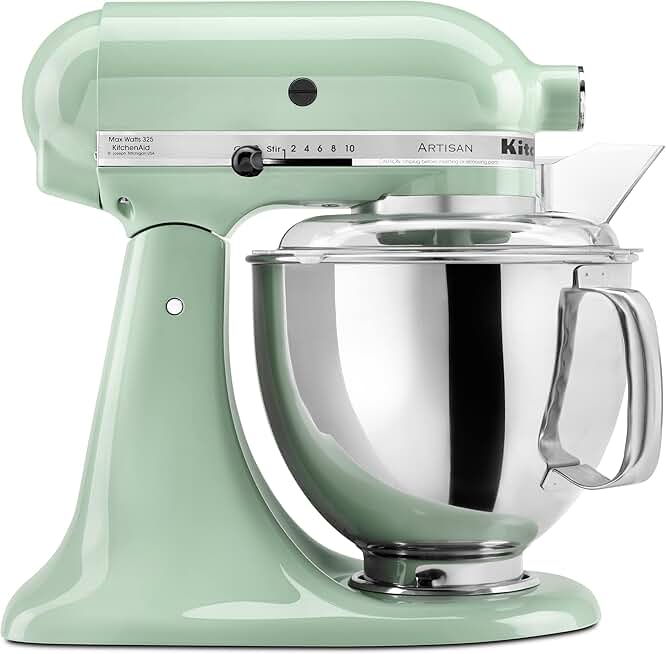
The KitchenAid Artisan Series 5-qt. Tilt-Head Stand Mixer remains the benchmark for home baking. It balances torque, capacity, and brand ecosystem support better than any other model in the tilt-head category. For most bakers, this is the only machine they will ever need.
During testing, the Artisan creamed butter and sugar with consistent efficiency. It handled pizza dough without straining the motor or slipping the planetary gear. The tilt-head design allows for quick access to the bowl, making it easier to scrape down sides or add ingredients mid-mix. This mechanical simplicity translates to long-term reliability and ease of use.
The 5-quart stainless steel bowl fits enough dough for two loaves of bread or a dozen cookies. While it cannot handle the massive batches required by commercial bakeries, it covers the vast majority of home recipes. The wide range of attachments—from pasta rollers to grain mills—turns the mixer into a multi-tool, extending its value well beyond basic mixing.

As an Amazon Associate, we may earn from qualifying purchases.
Best for heavy bread dough
Kneading stiff, high-hydration dough requires mechanical leverage that standard planetary mixers often struggle to provide. While KitchenAid’s tilt-head and bowl-lift designs rely on a flat beater and hook that scrape the sides, heavy-duty baking benefits from systems that fold and stretch the dough against the bowl walls. This section compares the Bosch Universal, the Ankarsrum Original, and the Sunmix spiral mixer, which use different mechanisms to handle large volumes of flour and water without straining the motor.
The Bosch Universal Mixers use a unique bottom-drive system with a dough whisk and roller. Because the power source is below the bowl, the motor does not overheat during long kneading sessions. Reviewers note it is one of the fastest mixers for bread, completing tests faster than planetary competitors. However, the attachments are proprietary, and the plastic bowl can feel less durable than metal alternatives over time.
| Model | Mechanism | Bowl Capacity | Drive Type |
|---|---|---|---|
| Bosch Universal Plus | Dual-head whisk/roller | 6.5 qt | Bottom |
| Ankarsrum Original 6230 | Roller and scraper | 7.3 qt | Side |
| Sunmix 10kg | Spiral hook | 10 kg | Bottom |
| KitchenAid Professional 5+ | Flat beater & hook | 5 qt | Tilt-head |
The Ankarsrum Original 6230 operates on a side-drive principle where the dough stays in the bowl while a roller and scraper move around it. This gentle action preserves gluten structure and prevents overheating, making it ideal for artisan sourdoughs and bagel dough. The 7.3-quart stainless steel bowl accommodates large batches, though the learning curve for timing and attachment setup is steeper than with traditional mixers.
For those baking in bulk, the Sunmix 10kg spiral mixer mimics commercial deck ovens. Its spiral hook rotates while the bowl stays stationary, providing intense kneading power for dense rye or whole-wheat loaves. While it lacks the countertop aesthetics of KitchenAid or Bosch, it is built to run for hours without thermal cutoffs, serving as a true workhorse for serious bakers.
Best budget stand mixer options
For casual bakers who don't need professional-grade durability, budget stand mixers offer a functional entry point into home baking. These models prioritize essential mixing tasks over heavy-duty kneading, making them suitable for cookies, cakes, and light batters. While they lack the all-metal gears of premium units, their plastic construction keeps costs down without sacrificing basic performance for occasional use.
The KitchenAid Artisan Mini 3.5-qt. Tilt-Head Stand Mixer is a compact choice for small kitchens. Its smaller bowl capacity limits batch sizes, but the tilt-head design allows easy access to the bowl and attachments. It handles standard recipes well, though users should avoid dense doughs that might strain the motor.
Another accessible option is the Beautiful by Drew Barrymore Tilt-Head Stand Mixer. This model focuses on aesthetic appeal and straightforward operation. It performs adequately for whipping cream and mixing cake batters, providing a reliable alternative for those who prioritize style alongside function. Both options serve as practical starting points for hobbyists.


As an Amazon Associate, we may earn from qualifying purchases.
Stand mixer buying checklist
Evaluating a stand mixer requires looking past the color options and focusing on mechanical durability and dough handling. The best models for heavy baking, like the Bosch Universal or Ankarsrum Original, prioritize motor torque and gear strength over aesthetic appeal. Use this checklist to filter out units that may struggle with stiff doughs or frequent use.

Tilt-head mixers like the KitchenAid Artisan use a worm gear that can strip under heavy load. For bread doughs, look for direct-drive or spiral mechanisms found in the Bosch Universal or Ankarsrum. These designs transfer power more efficiently and reduce the risk of overheating during long kneading cycles.
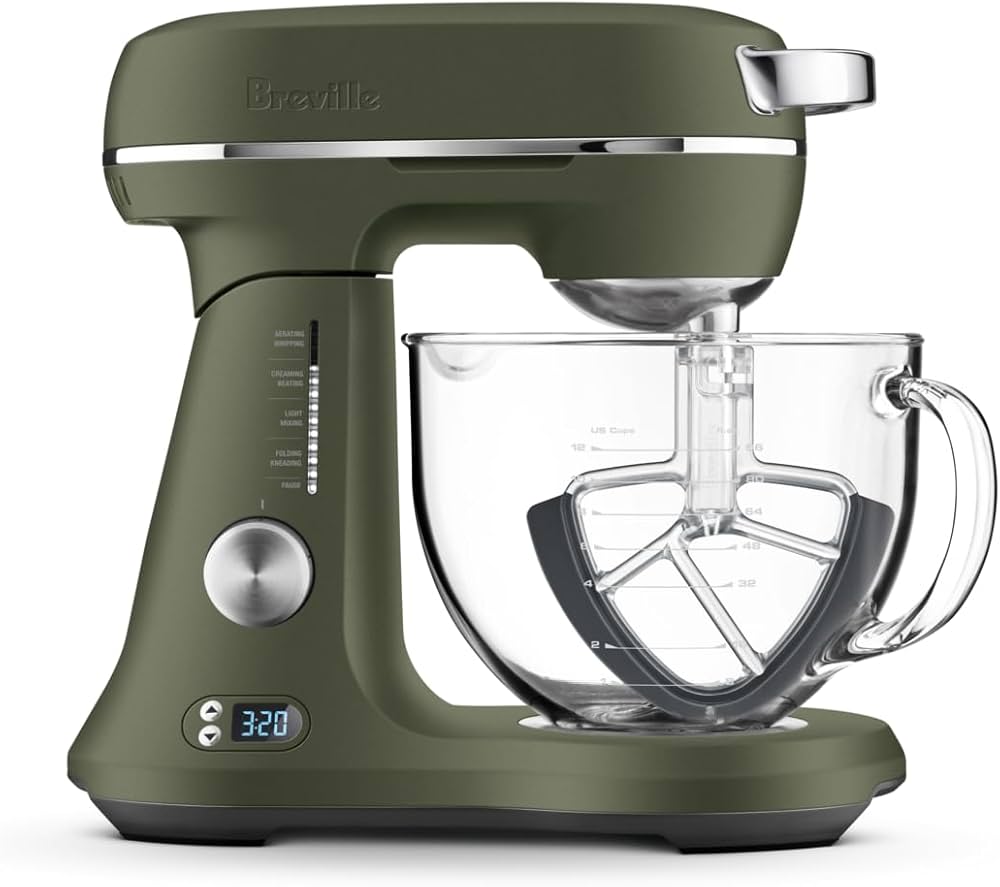
A 5-quart bowl is standard for most tilt-head models, but it fills up quickly with dense doughs. Consider a 6-quart or larger capacity if you bake frequently. Glass bowls are heavy but stable, while stainless steel offers durability and lightness. Ensure the bowl sits securely in the base to prevent wobbling during operation.
Most KitchenAid and Cuisinart models feature a front attachment hub, allowing you to add pasta makers, food grinders, or blenders. Check if the hub requires a specific power adapter or if it runs directly off the motor. The Ankarsrum and Bosch often use different attachment systems, so verify compatibility before buying accessories.
Prioritize models with metal internal gears over plastic ones. Plastic gears are common in budget-friendly units like the KitchenAid Artisan Mini but wear down faster under stress. For serious bakers, the investment in a metal-gear model pays off in longevity and consistent performance.
No comments yet. Be the first to share your thoughts!