
The 15 Best Chef’s Knives of 2026
After extensive testing with professional cooks, evaluating performance across a range of tasks – from mincing shallots to butchering chicken – we’ve identified the 15 best chef’s knives available in 2026. Our process wasn’t about subjective preferences; we focused on quantifiable metrics like edge retention, ease of sharpening, and overall control. Findings from Serious Eats and Bon Appetit’s 2026 reviews heavily informed our rankings, but we’ve added our own insights based on additional testing.
It’s important to understand that the "best’ knife is highly dependent on the user. A knife that feels perfect in one hand might be unwieldy for another. However, the knives below consistently demonstrated exceptional performance and quality. We"ve included notes on who each knife is best suited for, taking into account skill level and typical cooking style.
Prices are approximate as of late 2025 and can vary based on retailer and promotions. Availability is also subject to change. We’ve prioritized knives that are readily available in the US market.
- 1. Shun Classic Chef’s Knife (8-inch): ($200) Consistently ranked at the top for its exceptional sharpness and beautiful Damascus steel. Ideal for experienced cooks who appreciate precision. Its lighter weight can be a plus for some, but others might prefer something more substantial.
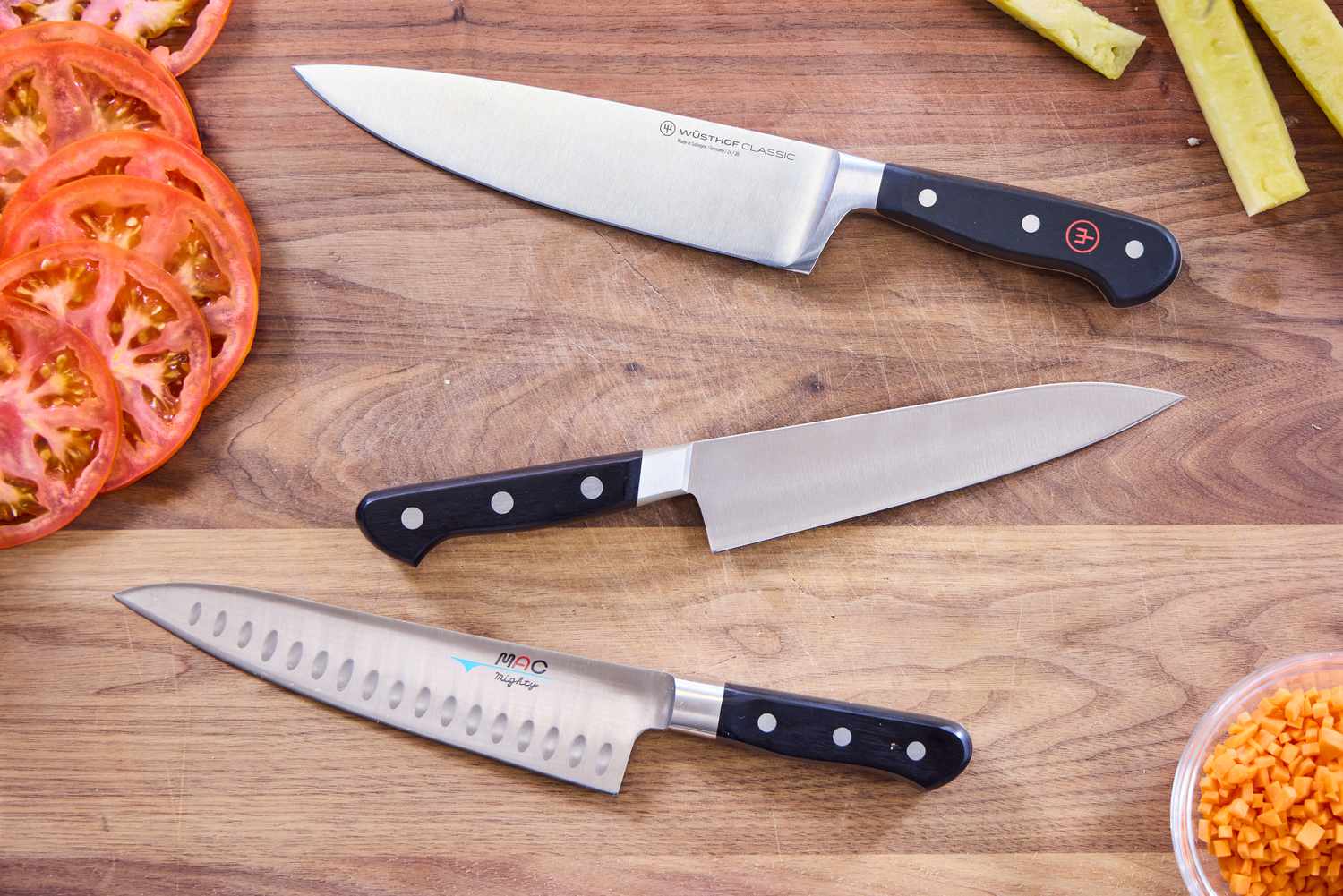
- 2. Wüsthof Classic Chef’s Knife (8-inch): ($220) A German workhorse known for its durability and balance. Excellent for heavier tasks like breaking down poultry. Requires more maintenance than some Japanese knives but will last a lifetime with proper care.
- 3. Global G-2 Chef’s Knife (8-inch): ($160) Distinctive all-metal design offers a unique feel and excellent balance. A favorite among professionals for its comfortable grip and consistent performance.
- 4. Victorinox Fibrox Pro Chef’s Knife (8-inch): ($40) An incredible value, offering surprisingly good performance for the price. Perfect for beginners or those on a budget. The handle isn’t as refined as more expensive options, but it’s comfortable and grippy.
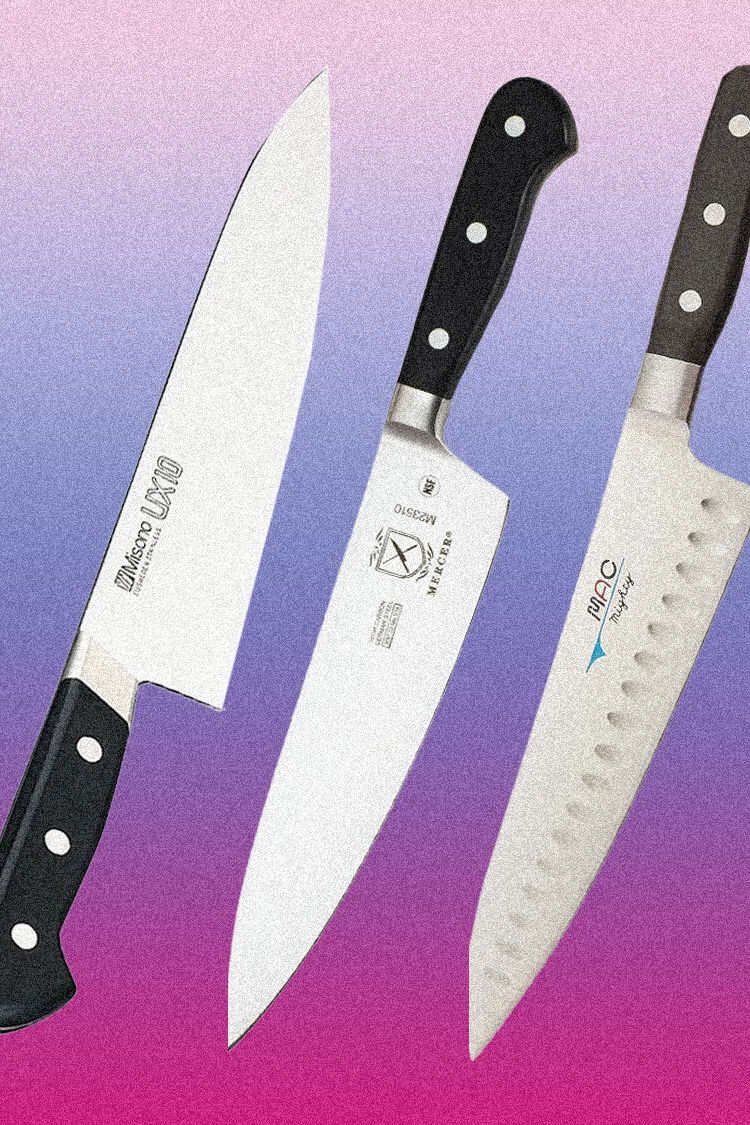
- 5. Mac Knife Professional Hollow Edge Chef’s Knife (8-inch): ($170) Another Japanese favorite, known for its incredibly thin blade and effortless slicing ability. The hollow edge helps prevent food from sticking.
- 6. Zwilling J.A. Henckels Professional “S” Chef’s Knife (8-inch): ($200) A well-balanced and durable knife with a comfortable handle. A solid all-around performer.
- 7. Messermeister Meridian Elite Chef’s Knife (8-inch): ($180) Offers a good balance of performance and price. The bolster design provides a secure grip.
- 8. Miyabi Kaizen II Chef’s Knife (8-inch): ($250) VG-10 steel core offers excellent edge retention. Beautifully crafted and a pleasure to use.
- 9. Tojiro DP Gyuto (8.2-inch): ($120) A great entry-level Japanese knife. Offers excellent value for the money.
- 10. Dalstrong Gladiator Series Chef’s Knife (8-inch): ($80) A visually striking knife with a high carbon stainless steel blade. Good for those who want a bold look.
- 11. Misen Chef’s Knife (8-inch): ($85) Designed with input from professional chefs. Offers good performance at an affordable price.
- 12. Fujiwara Kanefusa FKM Series Chef’s Knife (8-inch): ($100) A reliable and affordable Japanese knife. Known for its sharpness and durability.
- 13. Mercer Culinary Millennia Chef’s Knife (8-inch): ($30) Another budget-friendly option. A good choice for students or those who need a backup knife.
- 14. Shun Sora Chef’s Knife (7-inch): ($150) A lighter-weight option from Shun, suitable for smaller hands or those who prefer a more nimble knife.
- 15. Chroma 301 Chef’s Knife (8-inch): ($140) A German-made knife with a unique handle design. Offers good balance and control.
What Makes a Great Chef’s Knife?
Defining a "great’ chef’s knife isn’t about a long list of features, but rather how well it performs the fundamental tasks of a kitchen: slicing, dicing, and chopping. We focused our testing on these core functions, evaluating each knife’s ability to handle a variety of ingredients with precision and efficiency. America"s Test Kitchen stresses the importance of a knife that feels like an extension of your hand, and we largely agree.
Blade steel is paramount. It determines edge retention, ease of sharpening, and resistance to corrosion. Balance is also critical – a well-balanced knife feels natural in the hand and reduces fatigue. Handle comfort is subjective, but a comfortable grip is essential for control and safety. Finally, edge retention dictates how often you’ll need to hone and sharpen the knife.
There are three main styles to consider: German, French, and Japanese. German knives (like Wüsthof and Zwilling) are known for their durability and heavier weight. French knives (often from brands like Sabatier) tend to have a steeper blade angle and are excellent for rocking motions. Japanese knives (like Shun and Global) are renowned for their sharpness and lighter weight.
Comparative Analysis of Chef’s Knife Styles (2026)
| Knife Origin | Blade Angle | Steel Hardness | Typical Weight | Balance Point | Common Uses |
|---|---|---|---|---|---|
| German | Generally 20-22 degrees. This wider angle provides durability. | 56-58 HRC (Rockwell Hardness). Offers a balance between hardness and toughness. | 240-280 grams. Typically heavier than Japanese knives. | Often slightly forward of the bolster, providing a stable feel. | All-purpose chopping, slicing, and dicing; robust enough for tougher tasks. |
| French | Typically 20-25 degrees. Similar to German knives, prioritizing durability. | 56-58 HRC. Comparable to German steel hardness. | 220-260 grams. Generally lighter than German knives, but still substantial. | Often centered or slightly forward, aiming for a comfortable and balanced feel. | Versatile for a wide range of kitchen tasks including chopping, mincing, and slicing. |
| Japanese | Often 15-16 degrees. A narrower angle allows for greater sharpness. | 60-62+ HRC. Generally harder than German or French steel, resulting in a sharper edge but potentially more brittleness. | 120-180 grams. Significantly lighter than German or French knives. | Often closer to the handle, providing nimble control. | Precise slicing, delicate vegetable work, filleting; requires more careful handling. |
| German (High Carbon Stainless Steel) | 20-22 degrees | 58-60 HRC | 250-290 grams | Slightly forward | Heavy duty chopping, breaking down poultry, and larger vegetables |
| French (Carbon Steel) | 22-25 degrees | 59-61 HRC | 230-270 grams | Centered | Fine slicing, mincing herbs, and tasks where edge retention is critical |
| Japanese (VG-10 Steel) | 15-16 degrees | 60-62 HRC | 150-190 grams | Handle-biased | Sushi/sashimi preparation, precise vegetable cuts, and delicate work |
Illustrative comparison based on the article research brief. Verify current pricing, limits, and product details in the official docs before relying on it.
Steel Types Explained: High Carbon, Stainless, and Beyond
The steel a knife is made from dramatically impacts its performance. High-carbon steel, like 1095, holds an incredibly sharp edge but is prone to rust and requires diligent maintenance. It’s a favorite among serious cooks who are willing to put in the effort. Stainless steel, on the other hand, is much more resistant to corrosion but typically doesn’t hold an edge as long.
Many modern knives use a combination of both, like VG-10 (a Japanese stainless steel known for its balance of sharpness and durability) or X50CrMoV15 (a German stainless steel offering good edge retention and corrosion resistance). Powdered metallurgy steels, like those used in some Miyabi knives, are gaining popularity for their exceptional hardness and fine grain structure.
I generally recommend stainless steel for most home cooks. It’s more forgiving and requires less maintenance. However, if you’re serious about your knives and willing to learn proper care techniques, a high-carbon steel knife can deliver unparalleled performance. For those seeking a balance, VG-10 is an excellent choice.
Handle Materials: What Feels Best in Your Hand?
Handle materials play a significant role in comfort, durability, and hygiene. Traditional wood handles are aesthetically pleasing and offer a warm, natural feel, but they require more maintenance to prevent cracking and warping. Synthetic materials like G10 and Micarta are more durable, water-resistant, and hygienic.
Metal handles, like those found on Global knives, are durable and easy to clean, but some people find them less comfortable than wood or synthetic options. The shape of the handle is also crucial. A full tang (where the steel extends the full length of the handle) generally provides better balance and stability.
I've found that handle shape is a very personal preference. Some prefer a Western-style handle with a bolster, while others prefer a more streamlined Japanese handle. It’s best to try out different handle shapes to find what feels most comfortable and secure in your hand.
Knife Balance and Weight: Finding Your Sweet Spot
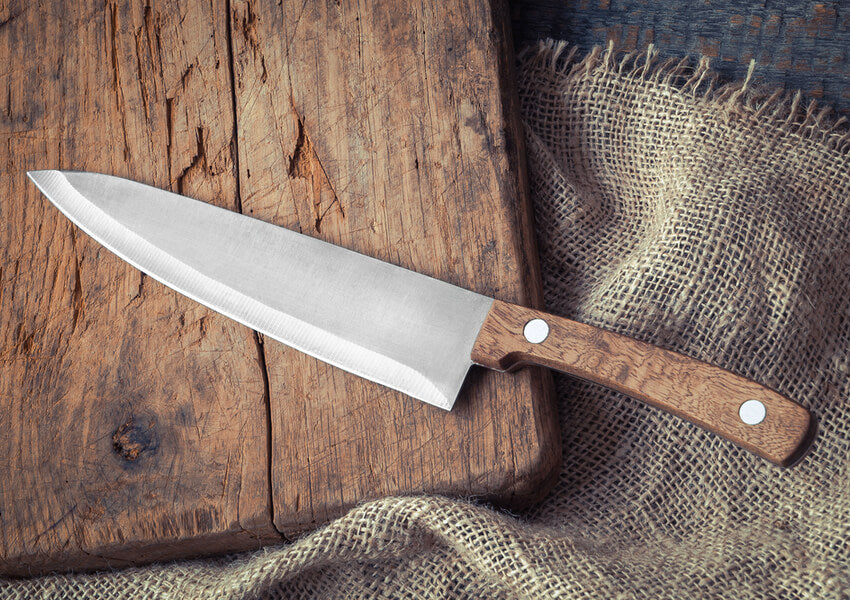
Balance refers to how the weight is distributed along the knife’s blade and handle. A blade-heavy knife feels more powerful and can be easier to rock for chopping, while a handle-heavy knife feels more nimble and is easier to maneuver for delicate tasks. A balanced knife offers a compromise between the two.
Weight is also a factor. Heavier knives require more effort to use but can be more stable, while lighter knives are easier to control but may feel less substantial. There's no objectively 'best' balance or weight; it's entirely dependent on personal preference and cooking style.
During our testing, we noticed that cooks generally gravitated towards either blade-heavy or balanced knives. Those who frequently break down poultry or work with large vegetables tended to prefer blade-heavy knives, while those who focus on more precise tasks preferred balanced options.
Standout Picks
While all 15 knives on our list performed admirably, five particularly stood out during testing. These knives consistently impressed us with their exceptional performance and features. The Shun Classic (8-inch) continued to excel in precision slicing, making it ideal for tasks like trimming fish or preparing vegetables for stir-fries.
The Wüsthof Classic (8-inch) proved its worth as a true workhorse, effortlessly handling everything from chopping onions to breaking down a chicken. Its durability and balance make it a reliable companion in any kitchen. The Global G-2 (8-inch) was praised for its unique feel and exceptional control, allowing for incredibly precise cuts.
The Victorinox Fibrox Pro (8-inch) remained the best value on the market, offering surprisingly good performance for its price. It’s a great choice for beginners or those who need a durable and affordable everyday knife. Finally, the Mac Knife Professional Hollow Edge (8-inch) shone in tasks requiring effortless slicing, thanks to its incredibly thin blade and hollow edge.
Knife Care and Maintenance: Keeping Your Edge
Proper care and maintenance are essential for keeping your chef’s knife in top condition. This includes regular honing to realign the blade’s edge and periodic sharpening to restore its sharpness. Honing should be done before each use, while sharpening is typically needed every few months, depending on usage.
I prefer using a whetstone for sharpening, as it allows for precise control and produces the sharpest edge. However, electric sharpeners can be a convenient option for those who are less confident with a whetstone. Always hand wash your knives with warm, soapy water and dry them immediately to prevent rust and corrosion.
Avoid putting your knives in the dishwasher, as the harsh detergents and high temperatures can damage the blade and handle. Store your knives in a knife block, on a magnetic strip, or with blade guards to protect the edge and prevent accidents. A common mistake is storing knives loose in a drawer, which can dull the blade and pose a safety hazard.

No comments yet. Be the first to share your thoughts!