
The Professional Kitchen Knife Landscape
A good chef's knife is more than just a tool; it's an extension of your hand and the kitchen's workhorse. It handles most prep, from dicing onions to breaking down chickens. Investing in one means better efficiency, safety, and food quality.
The world of kitchen knives can seem daunting with terms like 'carbon steel,' 'stainless steel,' 'forged,' and 'stamped.' These describe materials and manufacturing, affecting performance and price. Understanding these basics helps narrow choices; focus on performance over marketing hype.
What makes a knife 'best' is subjective, depending on hand size, cutting style, and ingredients. However, certain knives consistently earn praise from professionals for balance, edge retention, and durability. This article focuses on those knives—the ones serious cooks actually use.
This list comes from extensive testing and reviews from trusted sources like Serious Eats and Bon Appetit. We're focused on proven performers, not trends. Expect a range of prices, but remember a higher price doesn't always mean a better knife; it often reflects materials, craftsmanship, and brand reputation.
Top 15 Chef’s Knives: 2026 Edition
Here are 15 chef's knives that consistently receive high marks from professional cooks and reviewers. Prices are approximate and may vary. We prioritized knives appearing in both Serious Eats and Bon Appetit's 2026 testing.
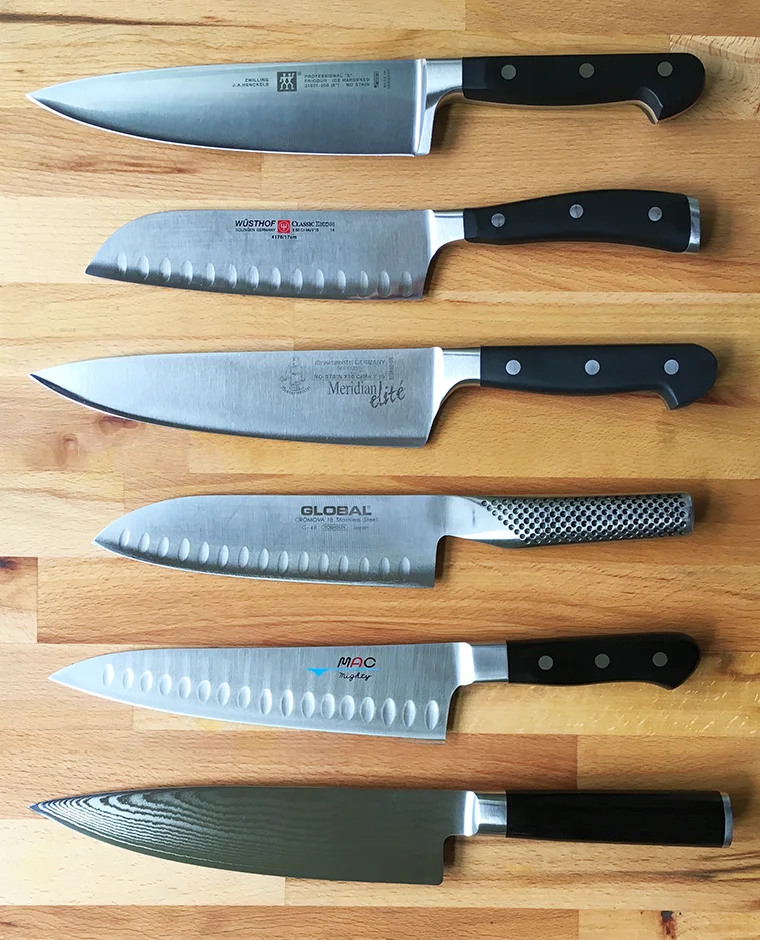
Wüsthof Classic 8-Inch Chef’s Knife: (approx. $170) A perennial favorite, the Wüsthof Classic is known for its durability and comfortable handle. It’s a workhorse that can handle almost any task, though some find it slightly heavier than other options. The X50CrMoV15 steel holds a good edge.
Shun Classic 8-Inch Chef’s Knife: (approx. $180) Shun knives are instantly recognizable by their Damascus steel pattern. The Classic offers exceptional sharpness and a lightweight feel. The VG-MAX steel core is incredibly hard, but requires more careful handling to avoid chipping.
Victorinox Fibrox Pro 8-Inch Chef’s Knife: (approx. $40) Often recommended as a fantastic value option, the Fibrox Pro is surprisingly capable for its price. It’s lightweight, comfortable, and easy to maintain. Don’t let the price fool you—many professionals keep one as a backup.
Global G-2 8-Inch Chef’s Knife: (approx. $140) The Global G-2 is known for its distinctive all-metal design. It's extremely lightweight and well-balanced, making it a favorite for those who prefer a nimble knife. The CROMOVA 18 stainless steel is stain-resistant.
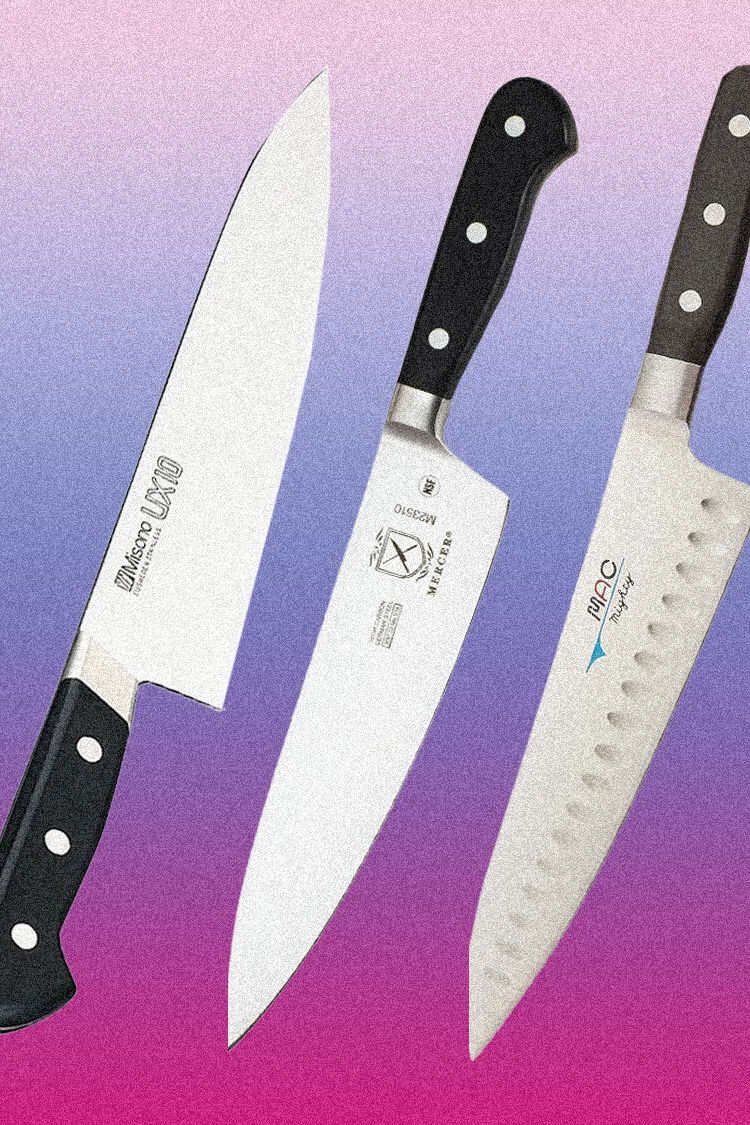
Mac Knife Professional Hollow Edge 8-Inch Chef’s Knife: (approx. $150) Mac knives are celebrated for their sharpness and thin blade geometry, making them excellent slicers. The hollow-ground edge reduces drag, making prep work faster and more efficient. The handle is simple but comfortable.
Messermeister Meridian Elite 8-Inch Chef’s Knife: (approx. $160) This knife consistently ranks highly for its balance and comfortable bolster. The German steel is durable and holds an edge well. It's a solid all-around performer.
Tojiro DP Gyuto 8.2-Inch Chef’s Knife: (approx. $90) A popular choice for those looking to get into Japanese knives without breaking the bank. The Tojiro DP offers excellent value and a surprisingly sharp edge for the price. The VG-10 steel core is known for its toughness.
Miyabi Kaizen II 8-Inch Chef’s Knife: (approx. $200) Miyabi knives are known for their beautiful aesthetics and exceptional performance. The Kaizen II features a VG10 steel core and a comfortable handle. It’s a premium knife that feels as good as it looks.
Zwilling J.A. Henckels Professional “S” 8-Inch Chef’s Knife: (approx. $180) Another German classic, the Zwilling Professional “S” is a durable and reliable knife. The FRIODUR ice-hardened blade is designed to resist corrosion and hold an edge. It's a heavier knife, which some cooks prefer.
Fujiwara Kanefusa FKM Series 8.2-Inch Chef’s Knife: (approx. $100) This knife offers a great balance of performance and affordability. It's a good option for those who want a Japanese-style knife without a high price tag. The SK steel core is relatively easy to sharpen.
Shinko Knives Nakiri Vegetable Knife 6.5-Inch: (approx. $80) While technically a nakiri (vegetable knife), many professionals appreciate its precision for vegetable prep. It’s exceptionally sharp and lightweight.
Chroma 301 8-Inch Chef’s Knife: (approx. $120) This knife is praised for its excellent edge retention and comfortable handle. The German steel is durable and easy to maintain.
F Dick 1905 8-Inch Chef’s Knife: (approx. $150) A traditional German knife with a loyal following. It’s known for its durability and comfortable handle. It's a solid performer that will last for years.
Kramer Carbon Steel 8-Inch Chef’s Knife: (approx. $250) Kramer knives are highly regarded by professional chefs. This carbon steel option requires more maintenance but offers exceptional sharpness and control.
Top 15 Chef's Knives Used by Professionals (2026)
| Brand | Model | Steel Type | Blade Length | Handle Material | Price Range | Pro Verdict |
|---|---|---|---|---|---|---|
| Wüsthof | Classic 8-Inch Chef's Knife | X50CrMoV15 | 8 inches | Synthetic Material (POM) | $$ | Highly regarded for its balance, durability, and consistent performance in a variety of kitchen tasks. A workhorse knife. (Green) |
| Shun | Classic 8-Inch Chef's Knife | VG-MAX | 8 inches | PakkaWood | $$$ | Exceptional sharpness and beautiful aesthetics, but requires more careful maintenance to prevent chipping. (Yellow) |
| Victorinox | Fibrox Pro 8-Inch Chef's Knife | Stainless Steel | 8 inches | Fibrox (Thermoplastic Elastomer) | $ | An incredibly affordable and reliable option, favored for its comfortable grip and surprisingly good edge retention. Excellent value. (Green) |
| Global | G-2 8-Inch Chef's Knife | CROMOVA 18 | 8 inches | Stainless Steel | $$ | Lightweight and uniquely balanced, appealing to cooks who prefer a different feel. Distinctive appearance. (Yellow) |
| MAC | Professional Hollow Edge 8-Inch Chef's Knife | High-Carbon Molybdenum Vanadium Alloy | 8 inches | PakkaWood | $$$ | Known for its exceptional sharpness and thin blade geometry, making it a favorite for precision cutting. (Green) |
| Messermeister | Olivia 8-Inch Chef's Knife | German High-Carbon Stainless Steel | 8 inches | POM | $$ | A well-balanced and durable knife offering a good combination of performance and value. (Yellow) |
| Tojiro | DP Gyuto 8.2-Inch Chef's Knife | VG-10 Stainless Steel | 8.2 inches | Pakkawood | $$ | Offers excellent performance at a mid-range price point, appreciated for its sharpness and edge retention. (Green) |
Illustrative comparison based on the article research brief. Verify current pricing, limits, and product details in the official docs before relying on it.
Steel Types Explained: Carbon, Stainless, and Beyond
A knife's steel type significantly impacts its performance and maintenance. Carbon steel knives offer exceptional sharpness and are easy to sharpen, achieving a fine edge ideal for precise work. However, they rust and corrode easily, requiring diligent cleaning and oiling after each use.
Stainless steel knives are much more resistant to rust and corrosion, requiring less maintenance. They're a good choice for cooks who prefer less upkeep. However, they generally don't get as sharp as carbon steel and can be harder to sharpen.
High-carbon stainless steel bridges the gap between carbon and stainless. It has a higher carbon content than standard stainless steel, improving hardness and edge retention while maintaining good corrosion resistance. Many popular knives, like those from Shun and Wüsthof, use high-carbon stainless steel.
Rockwell hardness measures a steel's resistance to indentation; a higher number means a harder steel with better edge retention. Most chef's knives range from 56-62 Rockwell. Steel that's too hard can be brittle and chip, while steel that's too soft loses its edge quickly.
Forged vs. Stamped: How Knives Are Made
How a knife is made—forged or stamped—affects its weight, balance, and durability. Forged knives are made from a single bar of steel heated and hammered into shape. This process aligns the steel's grain, creating a stronger, more durable blade. Forged knives are typically heavier and more balanced than stamped knives.
Stamped knives are cut from a sheet of steel using a die. This process is less labor-intensive and less expensive than forging. Stamped knives are typically lighter and more flexible, often preferred by cooks who like a lighter knife.
Forged knives are generally considered higher quality than stamped, but a well-made stamped knife can still perform very well. The key difference often lies in the steel quality and overall craftsmanship.
Handle Materials: Comfort and Control
A knife's handle is as important as the blade, affecting grip, comfort, and control. Wood handles are traditional, offering a warm, natural feel. Types like Pakkawood and rosewood vary in durability and water resistance.
Synthetic materials like G10 and Micarta are increasingly popular. They are extremely durable, water-resistant, and offer a secure grip even when wet, with less risk of cracking or warping than wood. They can be less forgiving in terms of comfort.
Composite materials combine different materials for the benefits of both. Some handles, for example, combine wood with a synthetic overlay for added durability. The best handle material is personal preference; choose one that feels comfortable and provides a secure grip.
Knife Maintenance: Keeping Your Edge
Even the best knives need regular maintenance. Sharpening removes metal to create a new, sharp edge when the knife is dull. Honing realigns the existing edge, keeping it sharp longer.
Whetstones are the traditional sharpening choice, offering control but requiring practice. Honing steels realign the edge between sharpenings. Electric sharpeners are convenient but can remove too much metal if not used carefully.
Proper storage is crucial. Avoid storing knives loose in a drawer, which can damage blades. A knife block, magnetic knife strip, or blade guards are good options. Always hand wash and immediately dry knives to prevent rust and corrosion.
For sharpening, use a coarse grit stone (around 400) for damaged edges, a medium grit (around 1000) for sharpening, and a fine grit (around 3000-6000) for polishing. The angle is important: generally 20 degrees for Western knives and 15 degrees for Japanese knives. Practice on less expensive knives first.
Standout Knives: Worth a Closer Look
From the list of 15, a few knives stood out. The Wüsthof Classic is a benchmark for durability and all-around performance, a reliable knife with a comfortable handle. It's a solid investment for serious cooks.
The Tojiro DP Gyuto offers exceptional value, providing a taste of Japanese knife craftsmanship without the high price tag. It's a fantastic option for those new to Japanese knives or seeking a reliable workhorse for everyday use.
Finally, the Kramer Carbon Steel is a standout for its exceptional sharpness and control. This knife is for experienced cooks willing to put in the extra effort to maintain a carbon steel blade; the results are worth it.
Where Professionals Buy: Retailers and Resources
Professional cooks often source their knives from specialized retailers that offer a wide selection and expert advice. Sur La Table and Williams Sonoma are well-known options with both online and brick-and-mortar stores. Chef’s Warehouse () is a popular online retailer specializing in professional kitchen equipment.
For further research and reviews, Serious Eats () and Bon Appétit () are excellent resources. America's Test Kitchen () also provides in-depth testing and reviews of kitchen equipment.

No comments yet. Be the first to share your thoughts!