
The Essential Trio: Knives Every Kitchen Needs
Most home cooks don’t need a sprawling knife collection. Focusing on three core knives – a chef’s knife, a paring knife, and a serrated knife – will cover roughly 90% of your kitchen tasks. This approach prioritizes efficiency and practicality.
The chef’s knife is your workhorse, designed for chopping, slicing, dicing, and mincing. A paring knife handles smaller, more detailed work like peeling fruits and vegetables, trimming, and deveining shrimp. Finally, a serrated knife is essential for bread, tomatoes, and anything with a tough exterior and a soft interior.
When choosing these knives, consider blade length: 8 to 10 inches for a chef’s knife, 3 to 4 inches for a paring knife, and 8 to 10 inches for a serrated knife. High-carbon stainless steel offers a good balance of sharpness, durability, and corrosion resistance. Look for a full tang, where the metal extends the full length of the handle, for better balance and stability.
America's Test Kitchen reinforces this minimalist philosophy, showing that you don’t need a vast arsenal to be a capable cook. They’ve consistently found that three well-chosen knives outperform a larger set of mediocre ones. Focus on quality over quantity, and build your collection from the essentials.
Chef’s Knife Face-Off: Top Picks for 2026
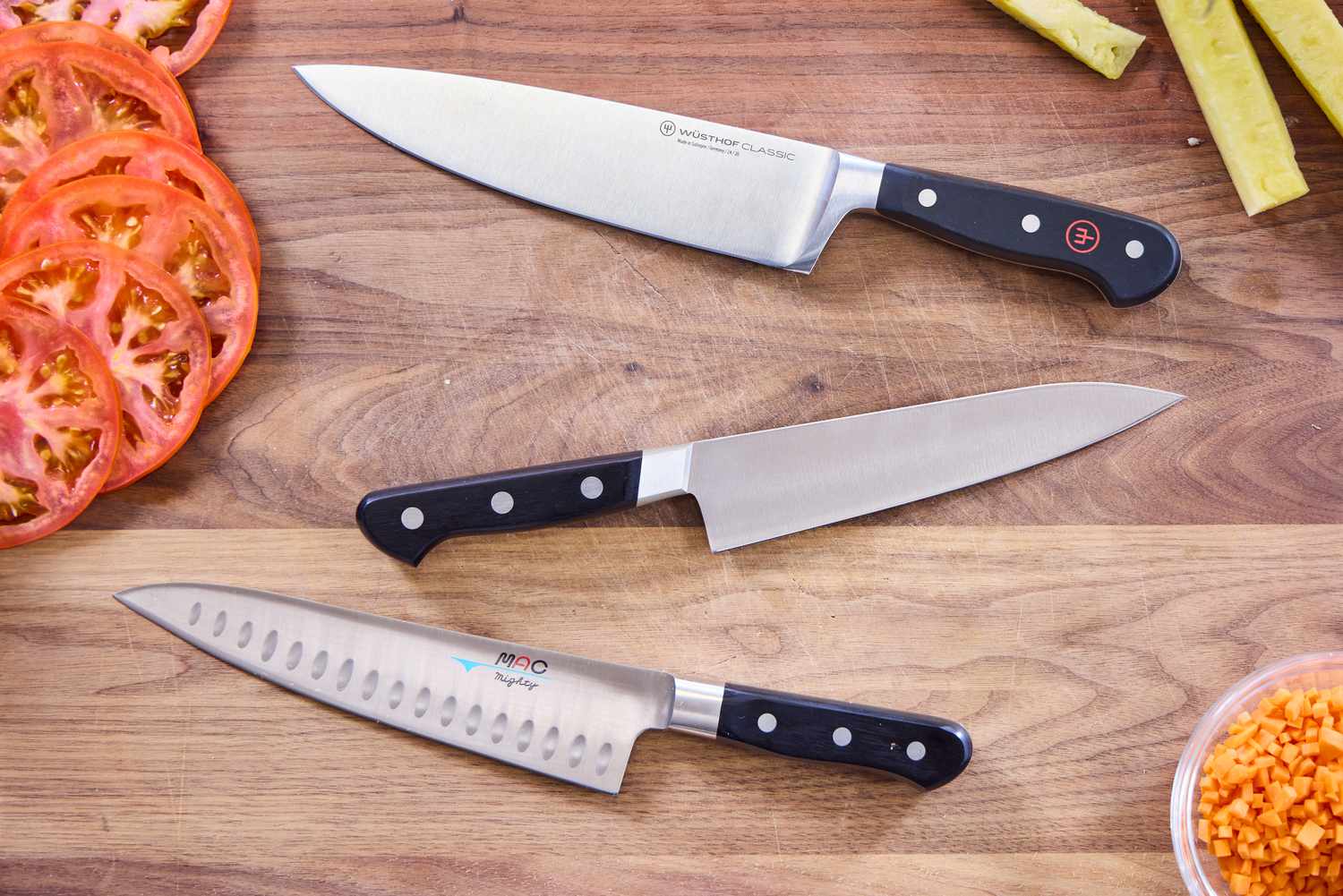
The chef’s knife is the centerpiece of any kitchen. After extensive testing, Serious Eats recommends the Wüsthof Classic 8-Inch Chef’s Knife. This German-style knife is known for its durability and excellent edge retention, handling almost any task. It typically costs around $200.
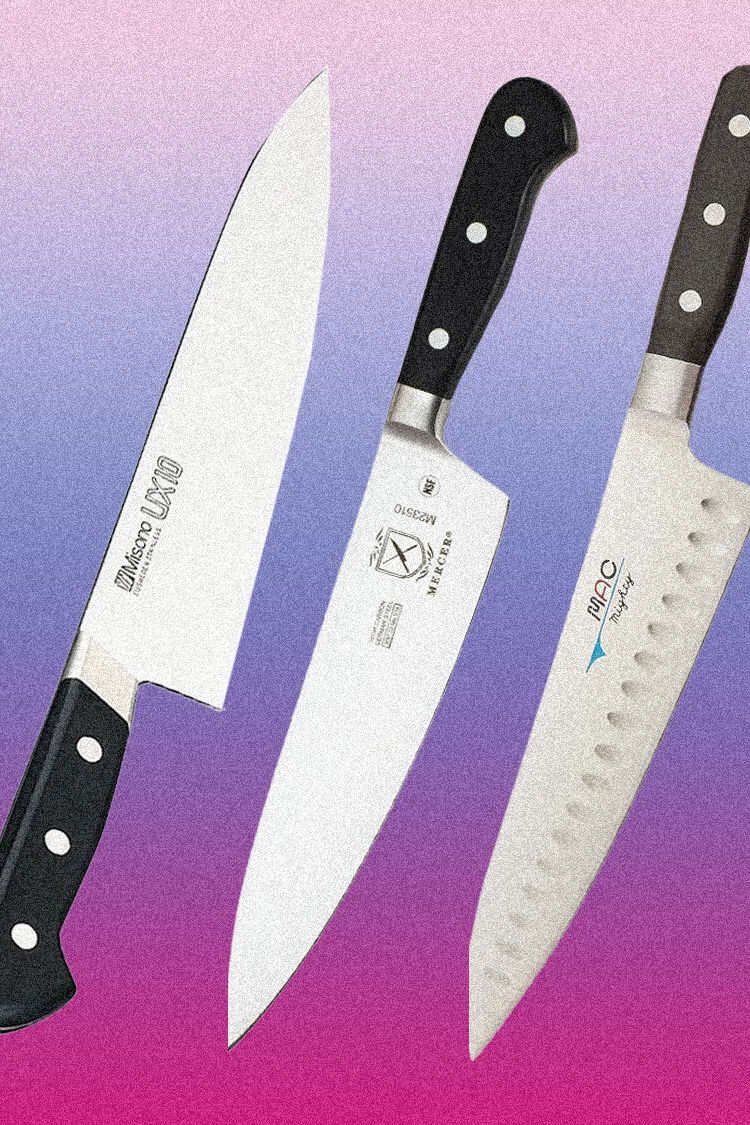
Bon Appetit favors the Mac Knife Professional Hollow Edge Chef’s Knife. This Japanese-style knife is lighter and thinner than the Wüsthof, making it nimble. It’s sharper out of the box but requires more careful handling and maintenance. It generally costs around $150. German knives are typically heavier and more robust, while Japanese knives prioritize sharpness and precision.
The Shun Classic 8-Inch Chef’s Knife has a beautiful Damascus steel blade. It’s exceptionally sharp and holds an edge well, but its higher price tag (around $250) and more delicate blade make it better suited for experienced cooks. For a more budget-friendly option, the Victorinox Fibrox Pro 8-Inch Chef’s Knife provides excellent value for around $40. It’s not as refined as higher-end options, but it’s surprisingly sharp and durable.
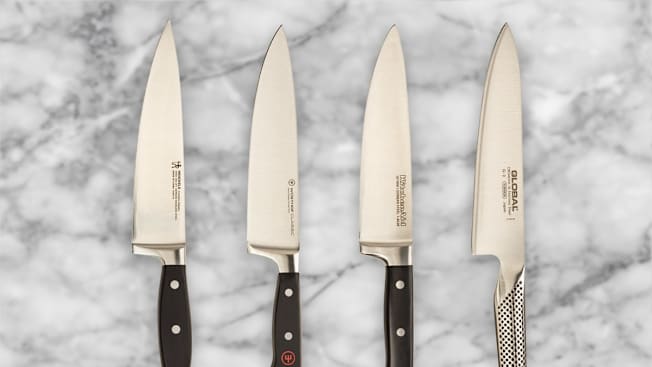
The Global G-2 8-Inch Chef’s Knife has a unique, minimalist design. Made from a single piece of Cromova 18 stainless steel, it is known for its lightweight feel. However, some cooks find the handle uncomfortable. It’s priced around $130. The Tojiro DP Gyuto 8.26-Inch is a great entry point into Japanese knives, offering excellent performance at a reasonable price of around $100, balancing sharpness, durability, and affordability.
Choosing the right chef’s knife depends on your experience level and preferences. Beginners might appreciate the robustness of the Wüsthof, while experienced cooks might prefer the finesse of the Mac or Shun. Consider your cooking style, budget, and how much time you’re willing to dedicate to maintenance. The best knife is the one that feels best in your hand.
Chef's Knife Comparison: 2026
| Brand/Model | Steel Type | Handle Material | Blade Length | Best For | Pros | Cons |
|---|---|---|---|---|---|---|
| Wüsthof Classic | X50CrMoV15 | Synthetic Material (Polyoxymethylene) | 8-inch | Intermediate | Highly durable, excellent edge retention, comfortable grip. | Can be prone to chipping if misused, relatively expensive. |
| Shun Classic | VG-MAX | PakkaWood | 8-inch | Experienced | Extremely sharp out of the box, beautiful Damascus pattern, lightweight. | Requires careful maintenance to prevent rust, more brittle than German steel. |
| Victorinox Fibrox Pro | Stainless Steel | Fibrox (Thermoplastic Elastomer) | 8-inch | Beginner | Incredibly affordable, very sharp, easy to maintain, good grip. | Handle may not be comfortable for all users, less aesthetically refined. |
| Global G-2 | CROMOVA 18 | Stainless Steel | 8-inch | Intermediate/Experienced | Unique, seamless design, very lightweight and well-balanced, excellent sharpness. | Handle can be slippery when wet, minimalist design isn't for everyone. |
| Mac Knife Professional | High-Carbon Molybdenum Vanadium Alloy | PakkaWood | 8-inch | Intermediate | Very sharp, thin blade for precise cuts, good value for the price. | Handle can be small for larger hands, requires regular honing. |
| Tojiro DP Gyuto | VG-10 Stainless Steel | Pakkawood | 8.2-inch | Intermediate/Experienced | Excellent performance for the price, very sharp, good edge retention. | Fit and finish may not be as refined as higher-end knives, handle can be slippery. |
Illustrative comparison based on the article research brief. Verify current pricing, limits, and product details in the official docs before relying on it.
Steel Types Explained: High Carbon, Stainless, and Beyond
The steel used to make a knife impacts its performance. High-carbon stainless steel is the most common choice for kitchen knives, offering a balance of properties. It contains enough carbon to hold a sharp edge and enough chromium to resist corrosion. Most knives labeled "stainless steel" fall into this category.
Carbon steel contains less chromium and is more prone to rust. However, it can achieve an incredibly sharp edge and is easier to sharpen. Carbon steel knives require more maintenance – wash and dry them immediately after use and occasionally oil them to prevent corrosion. Professional chefs favor them for their sharpness.
Other alloys, like VG-10 and AUS-8, are often used in Japanese knives. These steels offer excellent edge retention and corrosion resistance but can be more difficult to sharpen. The heat treatment process also plays a role. Proper heat treatment can improve the steel’s hardness, toughness, and edge retention.
There’s no single "best’ steel type; it depends on your priorities. Stainless steel is the choice for a low-maintenance knife. If you"re willing to put in extra effort, carbon steel can deliver exceptional sharpness. Understanding the trade-offs will help you choose a knife that suits your needs.
Handle Materials: What Feels Best in Your Hand?
A knife handle affects the knife’s balance, comfort, and overall performance. Wood handles are traditional and aesthetically pleasing but require more care, as they can absorb moisture, leading to swelling and cracking. Synthetic materials like G10 and Micarta are more durable and water-resistant.
G10 is a fiberglass laminate that’s strong and durable. Micarta is a canvas-phenolic laminate that’s also tough and offers a good grip. Metal handles, often found on Japanese knives, can be sleek and modern but slippery when wet. The tang – the portion of the blade that extends into the handle – is also important.
A full tang, where the metal extends the full length of the handle, provides better balance and stability. A partial tang, where the metal only extends partway into the handle, is less durable. A comfortable grip for extended periods is ideal, with a slightly textured handle offering a good combination of comfort and control.
Consider the handle’s shape and size. A handle that’s too large or too small will be uncomfortable to use. Try out different knives in person to see what feels best in your hand.
Beyond the Chef’s Knife: Specialized Blades to Consider
After mastering the chef’s knife, paring knife, and serrated knife,
A boning knife is designed for removing bones from meat, poultry, and fish. It has a thin, flexible blade that allows you to maneuver around bones with precision. A fillet knife is similar to a boning knife, but with an even more flexible blade, specifically designed for filleting fish. A utility knife, typically 5-7 inches long, is a versatile all-purpose knife that can handle tasks that are too small for a chef’s knife but too large for a paring knife.
However, many of these specialized knives aren’t essential for the average home cook. A good chef’s knife can handle most boning and filleting tasks with a little practice. A utility knife can be useful, but it’s not a necessity. Before investing in specialized blades, consider how often you’ll actually use them. If you only eat fish once a month, a fillet knife might not be worth the investment.
Knife Sharpening: Keeping Your Edge
A dull knife is not only frustrating to use, but also more dangerous than a sharp one. You’ll need to apply more force to cut, increasing the risk of slipping and injuring yourself. Regular sharpening is essential for maintaining your knives' performance. Whetstones are the traditional method for sharpening knives, offering the greatest level of control.
Different grits of whetstones are used for different stages of sharpening. A coarse grit (around 400-600) is used for repairing damaged blades, a medium grit (around 1000-2000) is used for sharpening, and a fine grit (around 3000-8000) is used for polishing. Honing steels don’t actually sharpen knives, but they realign the blade’s edge, keeping it sharp for longer.
Electric sharpeners can be convenient, but they often remove more metal than necessary. They are best suited for occasional touch-ups, not for major sharpening. Here’s a simplified step-by-step guide: 1) Lubricate the whetstone with water or oil. 2) Hold the knife at a consistent angle (typically 15-20 degrees). 3) Draw the knife across the stone, applying gentle pressure. 4) Repeat on the other side. 5) Progress through the grits, finishing with the finest grit.
Numerous online resources provide visual demonstrations of knife sharpening techniques. YouTube channels like ChefSteps and Pro Chef Knives offer excellent tutorials. Knowing when to take your knives to a professional sharpener is also important. If your knives are severely damaged or if you’re uncomfortable sharpening them yourself, a professional can restore them to their former glory.
Knife Care and Maintenance: Making Them Last
Proper care and maintenance will significantly extend the life of your knives. Always hand wash your knives with warm, soapy water and dry them immediately. Dishwashers can damage the blades and handles. Avoid using abrasive cleaners or scouring pads. Store your knives properly to prevent damage.
Knife blocks are a convenient option, but make sure the slots are clean and dry. Magnetic knife strips are another popular choice, allowing you to store your knives safely and accessibly. Knife sheaths are ideal for protecting knives during travel or storage. Regular oiling can prevent rust and corrosion, especially for carbon steel knives.
Common mistakes to avoid include storing knives loose in a drawer, using them to cut on hard surfaces like glass or granite, and leaving them wet. By following these simple guidelines, you can ensure that your knives remain in top condition for years to come. Protecting your investment is just as important as making the initial purchase.
- Hand wash and dry immediately.
- Store properly (knife block, magnetic strip, sheath).
- Oil regularly (especially carbon steel).
- Avoid hard cutting surfaces.
- Don't store loose in drawers.

No comments yet. Be the first to share your thoughts!