
The Pro Knife Landscape: 2026 Trends
Professional kitchens are evolving, and that evolution is subtly reshaping knife preferences. We’re seeing a definite move away from the heavier, traditional European-style knives towards lighter, more agile options. This isn’t just a matter of comfort; it’s about speed and precision, especially in high-volume environments. Chefs are increasingly valuing knives that feel like an extension of their own hand, allowing for more intricate work with less fatigue.
Steel selection is also undergoing a shift. While high-carbon stainless steel remains popular for its balance of durability and edge retention, we're noticing increased interest in AEB-L steel, known for its exceptional sharpness and ease of sharpening. This is a steel that requires more frequent attention but rewards the user with a truly refined cutting experience. The demand for more specialized steels, even if they demand more maintenance, is growing.
Finally, Japanese knife styles continue to gain traction. The emphasis on sharpness and precision inherent in Japanese knife-making resonates with many professional cooks. While the classic Western chef’s knife still dominates, gyutos and santokus are becoming increasingly common sights in professional kitchens. It’s a blending of techniques and tools, reflecting a broader global exchange in culinary practices.
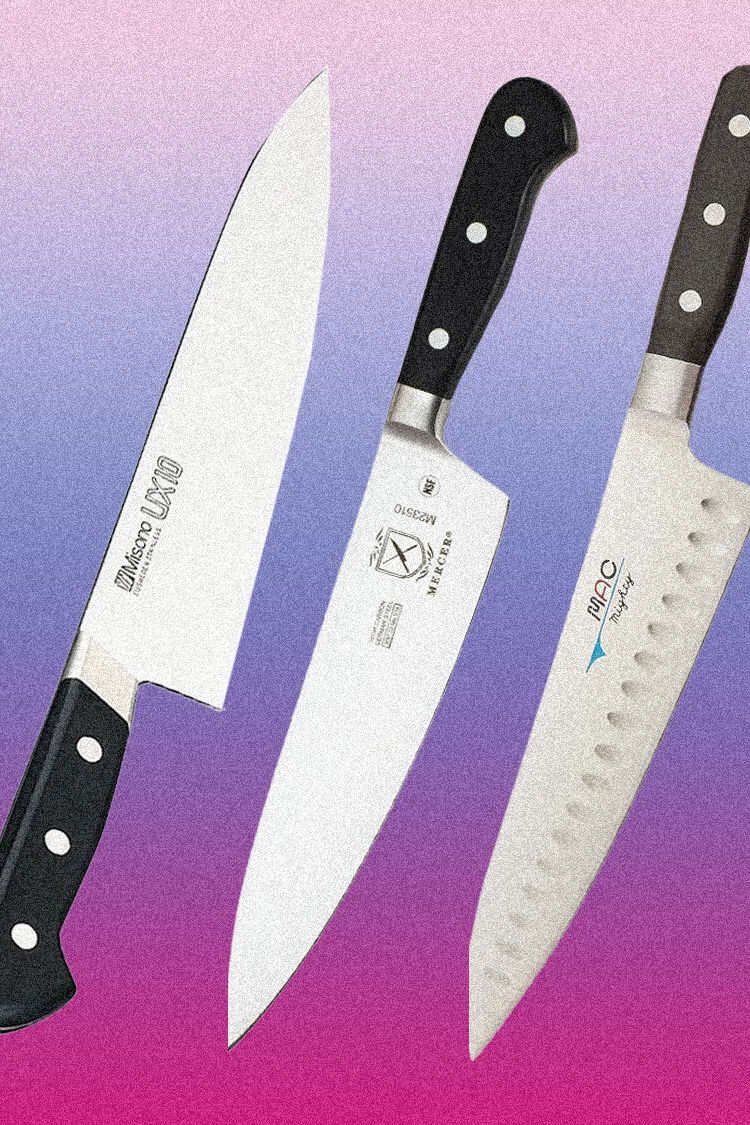
Top 15 Chef’s Knives: Our Picks
Compiling a list of the 'best' kitchen knives is always tricky, as preference is so personal. However, based on extensive testing by Serious Eats (2026) and Bon Appetit (2026), along with consistent recommendations from chefs we’ve spoken with, here are 15 chef's knives that consistently earn high marks. Prices are approximate, as of late 2025/early 2026, and can vary.
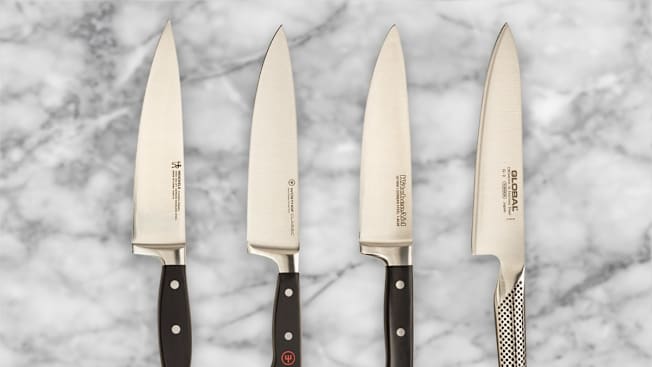
1. Shun Classic Chef’s Knife: ($180-$250) A perennial favorite, the Shun Classic consistently appears on 'best of' lists. Chefs appreciate its incredibly sharp edge (VG-MAX steel) and comfortable D-shaped Pakkawood handle. It’s a good all-rounder, suitable for a wide range of tasks.
2. Wüsthof Classic 8-Inch Chef’s Knife: ($170-$220) A German classic, the Wüsthof Classic is prized for its durability and robust feel. Made from X50CrMoV15 high-carbon stainless steel, it holds an edge well and can withstand heavy use. Many chefs rely on Wüsthof for its consistency.
3. Global G-2 Chef’s Knife: ($130-$180) Instantly recognizable by its all-metal construction, the Global G-2 is incredibly lightweight and well-balanced. Its Cromova 18 stainless steel blade is sharp and easy to maintain. Some chefs find the handle less comfortable for prolonged use.
4. Mac Knife Professional Hollow Edge Chef’s Knife: ($140-$190) Mac Knives are known for their exceptional sharpness and thin blades. The Professional Hollow Edge Chef’s Knife (AUS-8 steel) is a favorite among those who prioritize precision slicing. The hollow-ground edge helps prevent food from sticking.
5. Victorinox Fibrox Pro 8-Inch Chef’s Knife: ($40-$60) An incredibly affordable option that consistently outperforms its price point. The Fibrox Pro is a workhorse knife, favored by many chefs for everyday tasks. Its Fibrox handle is comfortable and provides a secure grip.
6. Messermeister Meridian Elite 8-Inch Chef’s Knife: ($150-$200) This knife, featuring German steel, is praised for its balance and sharpness. It's a solid choice for those seeking a reliable and durable chef’s knife.
7. Miyabi Birchwood 8-Inch Chef’s Knife: ($250-$350) Featuring a beautiful birchwood handle and VG-10 steel, the Miyabi Birchwood offers a premium experience. Chefs appreciate its sharpness and comfortable grip.
8. Tojiro DP Gyuto 8.2 Inch: ($100-$150) A fantastic entry point into Japanese knives. The Tojiro DP Gyuto (VG-10 steel) offers excellent sharpness and value for money. It’s a versatile knife suitable for a wide range of tasks.
9. Zwilling J.A. Henckels Professional “S” 8-Inch Chef’s Knife: ($160-$210) Another German staple, the Zwilling J.A. Henckels Professional “S” is known for its durability and edge retention. It's a reliable choice for demanding kitchens.
10. Chroma 301 8-Inch Chef’s Knife: ($120-$170) The Chroma 301 features a unique handle design and high-carbon German stainless steel. It’s a comfortable and well-balanced knife.
11. Shun Premier Chef’s Knife: ($200-$280) Building on the success of the Classic, the Shun Premier offers a more refined aesthetic and even sharper edge (VG-MAX steel).
12. Sakai Takayuki Grand Chef SP Type II Gyuto 210mm: ($280-$350) A higher-end Japanese option, favored by chefs who prioritize extreme sharpness and precision.
13. F. Dick 1905 Chef’s Knife: ($150-$200) A traditional German knife with a loyal following, known for its durability and robust construction.
14. Misono Swedish Steel Chef’s Knife: ($200-$300) This knife utilizes Swedish stainless steel, offering a unique combination of sharpness and corrosion resistance.
15. Yoshihiro Hammered Damascus Chef Knife: ($250-$400) Visually striking with a Damascus steel blade, this knife is favored for its sharpness and unique aesthetic. It’s a statement piece as much as a functional tool.
Top 15 Chef's Knives Used by Professionals (2026)
| Brand | Model | Steel | Handle Material | Blade Length (inches) | Pro Usage |
|---|---|---|---|---|---|
| Wüsthof | Classic 8-Inch Chef’s Knife | X50CrMoV15 | Synthetic Material | 8 | All-purpose vegetable, meat, and fish preparation; widely used in professional kitchens. |
| Shun | Classic 8-Inch Chef’s Knife | VG-MAX | PakkaWood | 8 | Precise slicing and dicing, particularly favored for Japanese-influenced cuisine and delicate vegetable work. |
| Victorinox | Fibrox Pro 8-Inch Chef’s Knife | Stainless Steel | Fibrox (Thermoplastic Elastomer) | 8 | High-volume kitchens; durable and reliable for general prep tasks. |
| Global | G-2 8-Inch Chef’s Knife | CROMOVA 18 | Stainless Steel | 8 | Popular for its lightweight design and balance; used for a variety of tasks, including mincing and chopping. |
| MAC | Professional Hollow Edge 8-Inch Chef’s Knife | AUS-8 | PakkaWood | 8 | Known for its sharpness and edge retention; favored by chefs for detailed slicing and portioning. |
| Miyabi | Kaizen II 8-Inch Chef’s Knife | VG10 | Birchwood | 8 | Used for precise cuts and delicate work; appreciated for its aesthetic appeal and performance. |
| Tojiro | DP Gyuto 8.2-Inch Chef’s Knife | VG-10 | Pakkawood | 8.2 | Versatile for a range of tasks, including slicing, dicing, and chopping; a popular choice for both professional and home cooks. |
Illustrative comparison based on the article research brief. Verify current pricing, limits, and product details in the official docs before relying on it.
Steel Types Explained: Beyond Stainless
The steel a knife is made from dramatically impacts its performance. While 'stainless steel' is a common term, it encompasses a wide range of alloys, each with its own properties. High-carbon stainless steels, like those used in many Wüsthof and Zwilling knives, offer a good balance of sharpness, durability, and corrosion resistance.
VG-10 and AUS-10 are Japanese stainless steels known for their exceptional sharpness and edge retention. They typically require more frequent sharpening than German steels, but the resulting edge is often finer. These steels are commonly found in knives from Shun and Mac.
Swedish stainless steel, used in Misono knives, is prized for its corrosion resistance and ability to hold a good edge. It's a slightly softer steel than VG-10 or AUS-10, making it easier to sharpen but potentially less durable. Ultimately, the "best" steel depends on your priorities and maintenance habits.
Handle Materials: Comfort and Control
The handle is just as important as the blade. Wood handles, such as Pakkawood (resin-impregnated wood) and rosewood, offer a comfortable and traditional feel. They require more maintenance than synthetic materials, however, and can be susceptible to cracking or warping. Synthetic materials like G-10 and Micarta are incredibly durable, water-resistant, and offer a secure grip.
A full tang – where the steel extends the entire length of the handle – is generally considered superior to a partial tang, as it provides better balance and durability. The shape of the handle also matters. Ergonomic designs can reduce fatigue during prolonged use. We’re seeing more manufacturers experimenting with handle shapes to cater to different hand sizes and grip styles.
Sharpening and Maintenance: Keeping Your Edge
Even the sharpest knife will eventually dull. Regular honing with a honing steel realigns the blade’s edge, extending the time between sharpenings. Sharpening, on the other hand, removes metal to create a new edge. Whetstones are the traditional method for sharpening, offering the most control but requiring practice. Electric sharpeners are convenient but can be less precise.
Professional sharpening is recommended at least once a year, or more frequently for heavily used knives. Proper storage is also crucial. Knife blocks, magnetic strips, or edge guards protect the blade from damage. Avoid dishwashers, as the harsh detergents and high temperatures can damage the steel and handle. Hand washing with mild soap and water is always the best option.
For a more detailed guide to sharpening techniques, see our comprehensive article on knife sharpening: [link to sharpening guide on Cooking Advisors].
Knives Worth a Closer Look: Standout Models
While all 15 knives on our list are excellent, a few consistently stand out for their unique qualities. The Tojiro DP Gyuto (mentioned above) represents incredible value for a Japanese-style knife. It’s a fantastic entry point for anyone curious about gyutos without breaking the bank.
The Shun Premier elevates the Shun Classic with a more refined handle and slightly improved steel. It’s a noticeable step up in terms of both aesthetics and performance. Finally, the Misono Swedish Steel Chef’s Knife offers a unique combination of sharpness and corrosion resistance, making it ideal for those who prioritize ease of maintenance.
Where Chefs Buy: Trusted Retailers
Professional cooks often rely on a few key retailers for their knife needs. Williams Sonoma and Sur La Table offer a wide selection and knowledgeable staff. Online retailers like Chef Knives To Go and Korin specialize in Japanese knives and provide expert advice. Amazon can be convenient, but it’s important to buy from reputable sellers to ensure authenticity.

No comments yet. Be the first to share your thoughts!