
The problem with PFAS
Nonstick pans are convenient, but the chemicals that make them slick are a mess. Most traditional coatings use PFAS—per- and polyfluoroalkyl substances. While compounds like PFOA and PFOS make pans durable, they are linked to serious health risks that are hard to ignore.
The issue with PFAS isn't just their presence; it's their persistence. They don’t break down easily in the environment, earning them the nickname 'forever chemicals'. These substances can accumulate in our bodies and have been linked to a range of health concerns, including immune system suppression, thyroid disruption, and certain types of cancer. While PFOA and PFOS are now largely phased out of cookware manufacturing in the US, the broader class of PFAS remains a concern, and their effects are still being studied.
The EPA is still setting safe limits for these chemicals as the science develops. Don't assume a 'nonstick' label means a pan is safe; you have to check what the coating is actually made of before buying.
Ceramic coatings
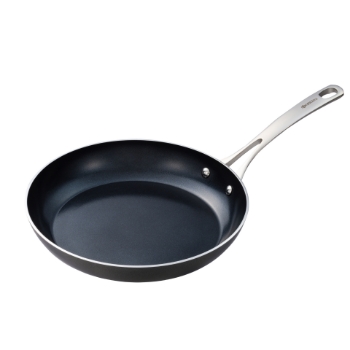
Ceramic nonstick cookware has emerged as a leading alternative to traditional PFAS-based coatings. These coatings are typically made from a silica-based material, often derived from sand, and are marketed as being more environmentally friendly and safer for cooking. The manufacturing process involves creating a glass-like surface that provides a degree of nonstick performance.
Ceramic pans generally offer several advantages. They are often more affordable than higher-end stainless steel or carbon steel options and are commonly PFAS-free. However, they aren’t without drawbacks. The primary concern is durability; ceramic coatings tend to degrade faster than other nonstick surfaces, losing their release properties over time. This means they may need replacing more frequently.
A common misconception is that 'ceramic' automatically equates to a completely inert coating. Some ceramic nonstick pans may contain trace amounts of other materials to enhance durability or binding. When choosing a ceramic pan, look for brands that are transparent about their coating composition and have third-party certifications verifying their PFAS-free status. The lifespan of a ceramic pan is heavily reliant on proper care.
Carbon steel
Carbon steel cookware offers a different approach to nonstick cooking. Unlike ceramic coatings, which are applied to the surface, carbon steel develops its nonstick properties through seasoning – a process of baking layers of oil onto the pan. This creates a polymerized coating that resembles the patina on a well-loved cast iron skillet.
Carbon steel shares many benefits with cast iron, including excellent heat retention and even heating. It heats up faster than cast iron, making it more responsive to temperature changes. It’s also considerably lighter, making it easier to maneuver. However, achieving a truly nonstick surface requires diligent seasoning and regular maintenance.
The biggest drawback of carbon steel is the learning curve. Seasoning requires time and effort, and the pan is susceptible to rust if not properly cared for. It's not a 'set it and forget it' solution like some ceramic pans. But, with consistent care, a carbon steel pan can last for generations and become a reliable workhorse in the kitchen. It’s a commitment, but a rewarding one.
7 PFAS-Free Pans for 2026
The market for PFAS-free cookware is expanding rapidly. Here are seven options, representing a mix of ceramic and carbon steel, available as of late 2026. Prices are approximate and can vary depending on retailer and promotions.
Made In Ceramic Nonstick Fry Pan (10.5 inch): Approximately $119. This pan features a proprietary ceramic coating and a bonded stainless steel body. It’s oven-safe to 500°F and is known for its even heating. Pros: Durable ceramic coating, excellent heat distribution. Cons: Relatively expensive for a ceramic pan.
Our Place Always Pan 2: Approximately $150. A popular all-in-one pan with a ceramic nonstick coating. It includes a steamer basket and a beechwood spatula. Oven-safe to 450°F. Pros: Versatile, convenient, aesthetically pleasing. Cons: Coating durability is a common complaint.
Misen Carbon Steel Fry Pan (10 inch): Approximately $75. This pan requires seasoning but offers exceptional heat retention and responsiveness. It’s compatible with all cooktops and is oven-safe to 500°F. Pros: Durable, naturally nonstick with proper seasoning, affordable. Cons: Requires seasoning and maintenance.
de Buyer Mineral B Carbon Steel Fry Pan (9.5 inch): Approximately $90. A French-made carbon steel pan known for its quality and durability. It’s pre-seasoned but benefits from additional seasoning over time. Oven-safe to 500°F. Pros: Excellent heat retention, durable, naturally nonstick. Cons: Requires seasoning and care to prevent rust.
Scanpan Pro IQ Ceramic Fry Pan (10.25 inch): Approximately $160. Scanpan utilizes a Stratanium+ ceramic coating, known for its enhanced durability and scratch resistance. Oven-safe to 500°F. Pros: Very durable ceramic coating, excellent heat distribution. Cons: Higher price point.
GreenPan Reserve Ceramic Nonstick Fry Pan (12 inch): Approximately $130. GreenPan is a well-known brand specializing in ceramic nonstick cookware. The Reserve line features a Thermolon ceramic coating and a durable aluminum body. Oven-safe to 425°F. Pros: PFAS-free, good nonstick performance. Cons: Coating may degrade over time.
Lodge Carbon Steel Skillet (10.25 inch): Approximately $40. A budget-friendly carbon steel option from a trusted brand. Requires seasoning but provides excellent performance for the price. Oven-safe to 500°F. Pros: Affordable, durable, naturally nonstick with seasoning. Cons: Requires significant seasoning and maintenance.
Cleaning and care
To keep these pans working, stick to warm water, mild soap, and a soft sponge. Abrasive pads or steel wool will ruin the surface quickly.
For ceramic pans, hand washing is generally preferred over dishwashing, as the harsh detergents and high temperatures can accelerate coating degradation. Avoid thermal shock by allowing the pan to cool completely before washing. For stubborn stuck-on food, soak the pan in warm, soapy water for a short period before gently scrubbing. Madeincookware.com emphasizes protecting the delicate nonstick coating.
Carbon steel pans require a different approach. After each use, rinse with warm water and dry thoroughly. Avoid soaking carbon steel pans, as this can lead to rust. To maintain the seasoning, lightly coat the pan with oil after drying. If rust does develop, scrub it off with steel wool and re-season the pan. Food52.com offers techniques for rescuing a slightly sticky ceramic pan by gently heating it with a bit of oil.
When things go wrong
Even with proper care, nonstick pans can sometimes develop issues. Food sticking is a common complaint, particularly with ceramic pans as the coating ages. This can often be remedied by reducing the heat and using a bit more oil or fat. If food is consistently sticking, it may be a sign that the coating is nearing the end of its life.
Coating peeling is a more serious issue, typically indicating that the pan is no longer safe to use. Discontinue use immediately if you notice visible peeling. With carbon steel, rust is the primary concern. As mentioned previously, this can usually be addressed by scrubbing off the rust and re-seasoning the pan.
Determining when a ceramic pan is truly past its prime can be tricky. If the coating is severely scratched, flaking, or losing its nonstick properties despite careful cleaning, it’s time to replace it. For carbon steel, consistent re-seasoning can often address minor sticking issues, but if the pan is severely pitted or warped, it may be beyond repair.

No comments yet. Be the first to share your thoughts!