Why your mixer choice matters
Choosing a stand mixer is less about the horsepower on the spec sheet and more about what you actually plan to bake. A machine that glides through fluffy meringues might choke on dense whole-wheat bread. Understanding this distinction saves you from frustration and ruined batches.
Think of your mixer as the foundation of your baking routine. If you primarily whip cream, fold cake batter, or mix cookie dough, a standard 250–300 watt motor is more than enough. It handles these tasks with ease, leaving you with light, airy textures that are hard to achieve by hand. However, the moment you introduce heavy loads, the requirements change dramatically.
Consider bagel dough or stiff bread dough. These mixtures require significant torque to knead properly. A weak mixer will strain, overheat, or simply stop turning, leaving you with uneven gluten development and a dense final product. In these cases, a direct-drive motor or a high-torque planetary gear system isn't just a luxury—it's a necessity for consistent results.
Ultimately, the "best" mixer is the one that matches your most frequent baking habits. If you rarely bake bread, you don't need to invest in a heavy-duty industrial unit. But if you regularly tackle stiff doughs, underpowering your mixer will lead to burnt-out motors and disappointing results. Prioritize the types of recipes you make most often when making your decision.
KitchenAid vs. Bosch vs. Ankarsrum
Stand mixers generally fall into three distinct camps, each built around a different mechanical philosophy. Choosing the right one depends less on brand loyalty and more on the specific tasks you plan to tackle in your kitchen. While KitchenAid dominates the American market with its tilt-head design, Bosch and Ankarsrum offer European alternatives that handle heavy doughs with superior efficiency.
The KitchenAid Tilt-Head
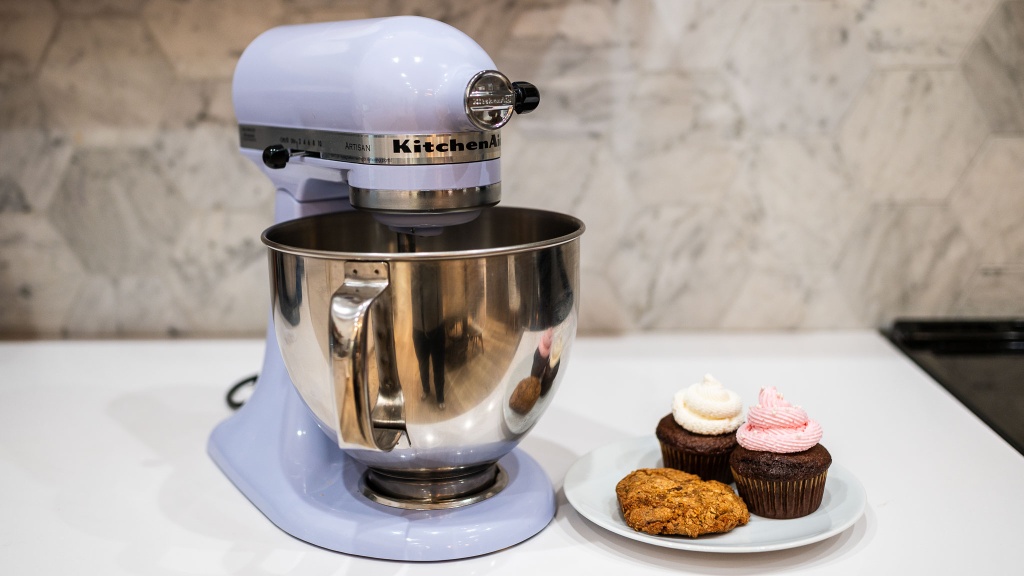
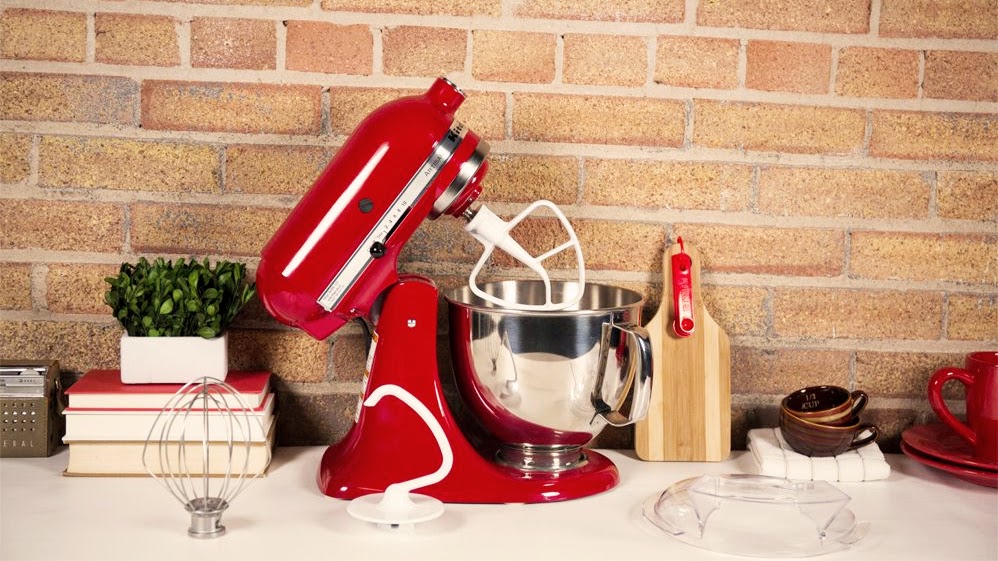
The KitchenAid tilt-head mixer is the standard for most home bakers. Its design allows you to tilt the motor head back to access the bowl, making it easy to add ingredients or scrape down the sides. This simplicity is its greatest strength, offering a user-friendly experience for everyday tasks.
However, the tilt-head mechanism limits the motor's torque and the bowl's stability. It struggles with stiff doughs, often stalling or walking across the counter when kneading large batches of bagel dough. It excels at lighter tasks like whipping cream, mixing cake batter, or preparing cookie dough, but it is not built for heavy, dense breads.
The Bosch Universal
The Bosch Universal uses a bottom-drive system with a unique dual-head tool design. Instead of a planetary beater, it uses a dough hook that rotates against a stationary beater inside a large, flexible bowl. This design is exceptionally efficient at kneading. The Bosch Universal was the fastest of all mixers tested, completing heavy dough tasks faster and more thoroughly than its competitors.
This mixer is a powerhouse for bread bakers. It handles stiff bagel dough and large batches of whole wheat bread without straining. The trade-off is a learning curve; the dual-head action is different from traditional mixers, and the bowl is large but can be awkward to handle. It is less ideal for whipping air into egg whites or cream, where the Bosch's power can sometimes be too aggressive.
The Ankarsrum
The Ankarsrum is a Swedish mixer that operates on a similar bottom-drive principle but with a fixed bowl and a rotating roller and scraper. The dough stays in the bowl while the tools move through it. This creates a consistent kneading action that is gentle on the dough structure, resulting in excellent gluten development for artisan breads.
Like the Bosch, the Ankarsrum is built for serious baking. It handles massive quantities of dough with ease. However, it is bulky, expensive, and takes up significant counter space. It is also less versatile for light tasks; whipping cream or beating egg whites requires specific attachments and technique that are not as intuitive as in a KitchenAid.
Comparison Table
| Feature | KitchenAid (Tilt-Head) | Bosch Universal | Ankarsrum |
|---|---|---|---|
| Best For | Cakes, cookies, light batters | Heavy breads, bagels | Artisan breads, large batches |
| Motor Power | Moderate | High | High |
| Bowl Capacity | 4.5 - 5 quarts | 6.6 quarts | 7 quarts |
| Noise Level | Low | Moderate | Moderate |
| Ease of Use | High | Moderate | Low |
Which Mixer Should You Choose?
If you bake mostly cakes, cookies, and occasional bread, the KitchenAid is the most versatile and easiest to use. Its wide range of attachments makes it a kitchen hub. If you are a bread baker who makes stiff doughs regularly, the Bosch or Ankarsrum will save you time and effort. The Bosch is more compact and affordable, while the Ankarsrum offers a unique kneading action for those who prioritize dough quality above all else.
Top picks for home bakers
Choosing the right stand mixer means matching the machine to your actual baking habits, not just the highest horsepower number. If you mostly whip cream and mix cake batter, a lighter motor is sufficient. If you regularly knead bagel dough or stiff bread, you need a heavy-duty unit that won't stall or overheat.
KitchenAid Artisan Plus: The Best All-Rounder
The KitchenAid Artisan Plus (5-quart) remains the gold standard for most home kitchens. It handles everything from delicate meringues to thick cookie dough without straining. The added benefit of the "Plus" model is a slightly larger bowl and a flat beater that reaches the edges better than older versions, reducing the need to scrape down the sides constantly. It’s the first and last mixer most bakers will ever need.
KitchenAid Artisan Mini: For Small Spaces
If counter space is tight, the Artisan Mini (3.5-quart) is the perfect compromise. It looks just like the full-size version but fits comfortably on smaller counters or in cabinets. It’s ideal for small batches of cookies, cupcakes, or single-serve breads. Just keep in mind that you can’t double recipes in this model without overworking the motor.
Breville Bakery Chef: For Serious Dough
For bakers who make pizza, bagels, or artisan loaves weekly, the Breville Bakery Chef is the superior choice. Its direct-drive transmission (no belts) provides consistent power even with stiff doughs. The 5-quart bowl is deep and stable, preventing flour from flying out during high-speed mixing. It’s louder and heavier than a KitchenAid, but it won’t walk across the counter when kneading dense rye dough.
Test your mixer with sourdough
Specs sheets lie. A motor rated for 300 watts might struggle with a stiff batch of whole wheat, while a 500-watt unit might overheat after five minutes of kneading. The only way to know if a stand mixer can handle high-stress dough is to bake with it. Sourdough is the ultimate stress test because it requires sustained, heavy kneading to develop gluten without warming the dough too quickly.
We use this simple sourdough recipe to evaluate torque, cooling efficiency, and bowl capacity. If your mixer bogs down, stalls, or makes the motor sound like it’s in distress, it’s not built for artisan breads.
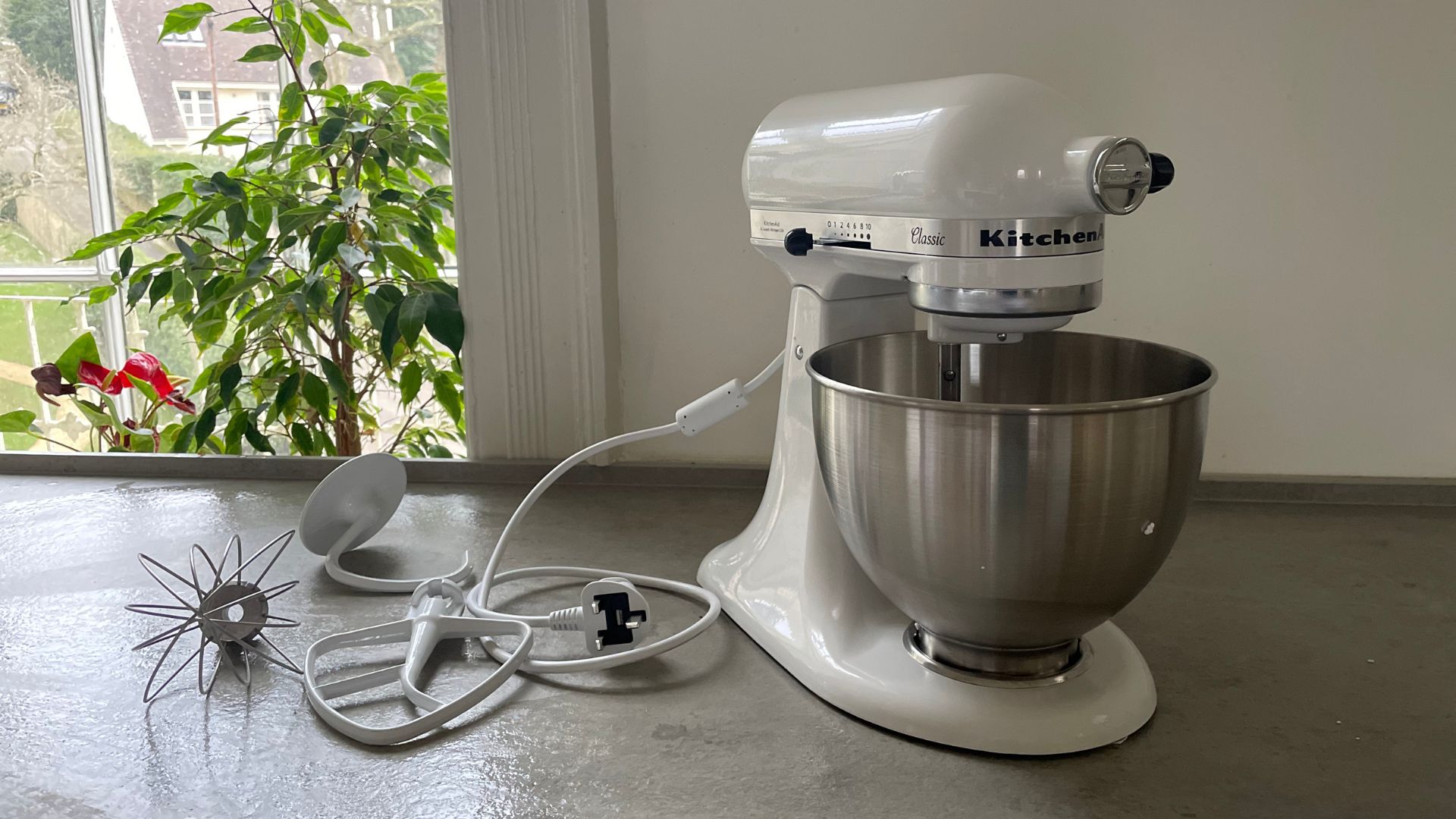
Attach the flat beater first to mix the flour and water into a shaggy mass. This initial mix is loose and doesn’t require much power. Once the flour is hydrated, swap the flat beater for the dough hook. Using the wrong attachment here is a common mistake that leads to uneven mixing.
Add the starter and salt, then mix on low speed (speed 1 or 2). High speed throws flour everywhere and doesn’t help gluten development. Let the machine run for 5–7 minutes. Watch the dough form a ball that pulls away from the sides of the bowl. If it stays sticky and slaps the sides, it needs more time.
This is the critical moment. Touch the motor housing every two minutes. If it becomes too hot to touch comfortably, the motor is struggling. A robust mixer, like the Bosch Universal, can knead dense dough for 15 minutes without warming up. Cheaper models may trip a thermal overload switch or simply stop working.
The dough should be tacky but not sticky, and it should pass the "windowpane test." Stretch a small piece of dough; if it tears immediately, it needs more kneading. If it stretches thin and translucent without breaking, the gluten is developed. A powerful mixer achieves this structure evenly in 10–12 minutes.
-
Ensure the dough hook is fully seated and locked.
-
Verify the bowl is no more than 3/4 full.
-
Check that the motor housing is cool to the touch after 5 minutes.
-
Confirm the dough pulls cleanly from the bowl sides.
A mixer that handles this dough easily will also crush bagel dough or heavy cookie batters with ease. If it struggles here, skip it for bread baking and stick to lighter tasks like whipped cream or cake batter.
No comments yet. Be the first to share your thoughts!