
How we tested stand mixers
We evaluated stand mixers by focusing on three core areas: motor torque under load, dough handling consistency, and everyday ease of use. Rather than relying on subjective feel alone, we subjected each machine to a standardized battery of tasks designed to stress-test the motor and gear train.
Our testing protocol included kneading two pounds of stiff bread dough, whipping heavy cream to stiff peaks, and creaming butter and sugar for cookies. We monitored the motor for strain, checked for bowl wobble, and noted how easily the machine handled high-viscosity mixtures without stalling or overheating. The goal was to identify which models could maintain consistent speed and power when the batter got thick.
We also assessed the user experience, including how simple it was to change attachments, clean the bowl and beaters, and store the unit on a counter. A mixer is a daily tool, so if the interface is clunky or the cleaning process is tedious, it will likely end up in a cupboard. Our final recommendations reflect which machines balanced raw performance with practical usability for the average home baker.
KitchenAid Artisan for everyday baking
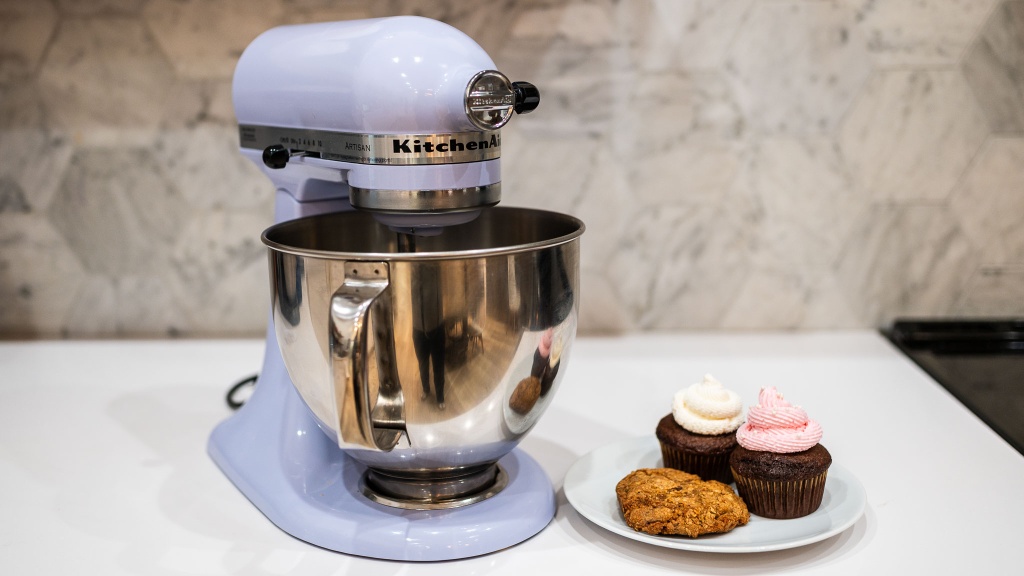
The KitchenAid Artisan 5-Quart Stand Mixer remains the default choice for home bakers who need a reliable workhorse without industrial bulk. Independent testing from Serious Eats and Allrecipes consistently ranks the Artisan as the best tilt-head stand mixer available, citing its ability to cream butter efficiently and knead pizza dough with minimal user intervention. It strikes a balance between power and accessibility, making it the most versatile option for general kitchen tasks.
Performance metrics for the Artisan center on its 275-watt motor and direct-drive transmission. This setup provides enough torque to handle stiff cookie doughs and medium-batch breads, though it will struggle with large volumes of dense rye or bagel dough. The 5-quart stainless steel bowl is the industry standard size, fitting most household recipes without requiring multiple batches. Its tilt-head design allows for easy access to the bowl and beaters, a practical advantage over bowl-lift models when you need to scrape down sides or add ingredients mid-mix.
The Artisan’s true strength lies in its ecosystem. The universal power hub accepts dozens of attachments, from pasta rollers to food grinders, effectively turning the mixer into a multi-tool. This expandability keeps the machine relevant for years, as you can add specialized functions without buying separate appliances. For most home bakers, the combination of brand recognition, proven performance, and attachment compatibility makes the Artisan the safest and most capable all-around choice.


As an Amazon Associate, we may earn from qualifying purchases.
Bosch Universal for heavy dough
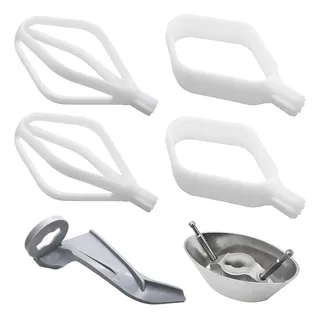
If you bake bread regularly, you know the struggle of stiff dough. Standard mixers often stall or overheat when faced with high-hydration sourdoughs or dense whole-wheat loaves. The Bosch Universal stands apart because it uses a bottom-drive system with a unique dough hook that pushes ingredients against the bowl walls rather than just stirring them. This design handles heavy loads with ease, making it the superior choice for serious bread bakers.
The motor torque is exceptional. Unlike planetary mixers that rely on friction and leverage, the Bosch drives the hook directly from the bottom. This allows it to mix large batches of bagel or pizza dough without straining. Users report using it for hours without the motor giving out, a feat that would typically require a commercial-grade attachment on other brands. It is a workhorse built for endurance rather than aesthetics.
Performance metrics favor the Bosch for speed and consistency. In comparative testing, the Bosch Universal completed heavy dough cycles faster than its competitors. The dual-head tool design ensures even mixing, reducing the need for manual scraping. While it lacks the sleek look of a KitchenAid, its functional efficiency is unmatched for those who prioritize dough quality over kitchen decor.

As an Amazon Associate, we may earn from qualifying purchases.
Ankarsrum for Serious Bakers
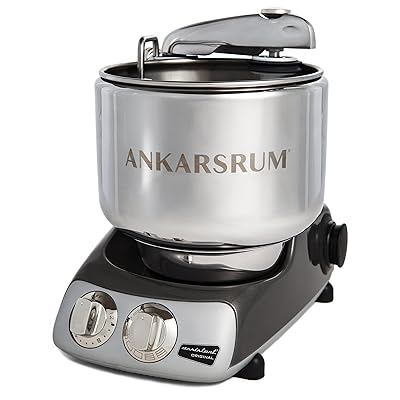
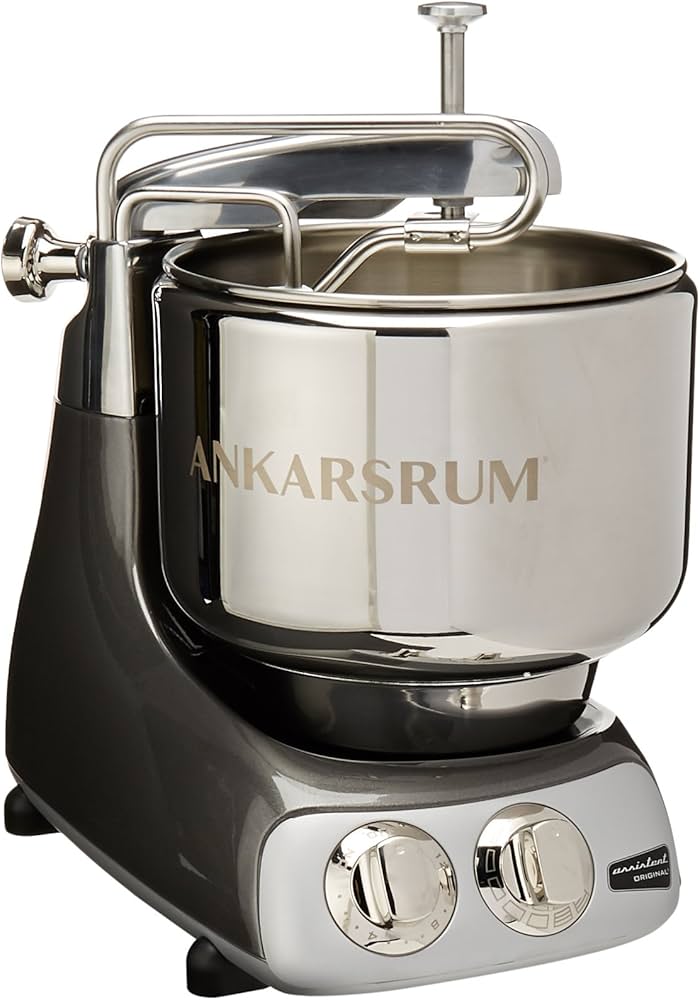
The Ankarsrum Original Stand Mixer is a Swedish-engineered appliance that prioritizes heavy-duty performance over sleek aesthetics. Unlike traditional mixers, it uses a bottom-driven motor to rotate a bowl while a stationary roller and scraper handle the dough. This design reduces strain on the motor, allowing it to handle dense, high-hydration doughs without overheating or stalling.
This approach is particularly valuable for bakers who regularly make bread, pizza, or bagels. The motor torque is consistent, ensuring that heavy loads are mixed evenly without the user needing to stop and scrape down the sides. It is a tool built for longevity and commercial-grade endurance rather than quick, light tasks.
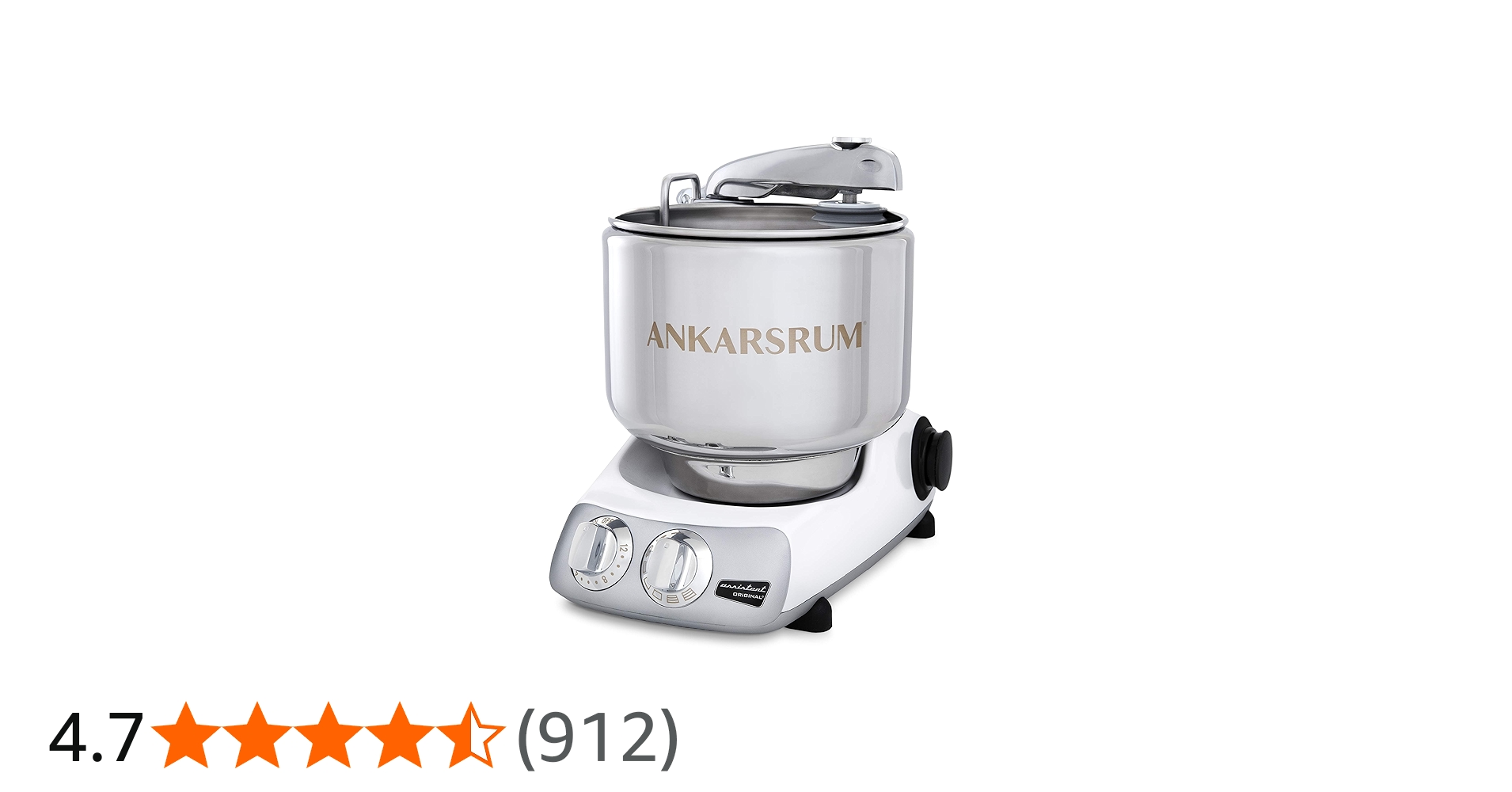
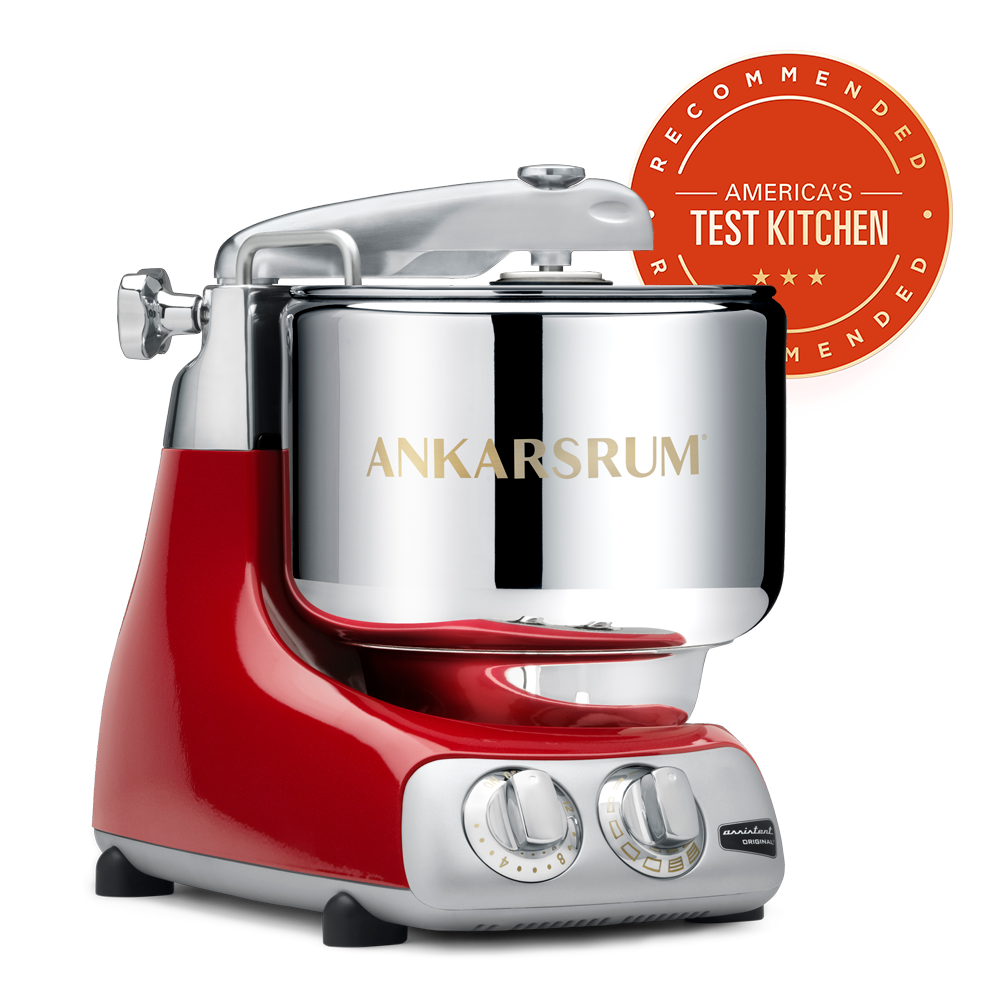
The unit is available in various colors, including black, white, and red, though the functionality remains the same across all models. It is an investment for those who view their mixer as a permanent kitchen workhorse.
As an Amazon Associate, we may earn from qualifying purchases.
Stand mixer comparison: specs at a glance
Choosing the right stand mixer often comes down to matching motor torque and bowl capacity to your typical baking load. While all featured models handle standard cake batters, their mechanical designs diverge significantly when handling heavy doughs. The Bosch and Ankarsrum use unique drive systems that reduce strain on the motor compared to the traditional planetary action of the KitchenAid.
Use the table below to compare the core specifications of the top-rated models. This quick-scan reference highlights the ideal use case for each, helping you decide between compact versatility and heavy-duty performance.
| Model | Capacity | Motor Type | Best Use Case |
|---|---|---|---|
| KitchenAid Artisan | 5 qt | Direct Drive | General baking, light doughs |
| Bosch Universal | 6.5 qt | Bottom Drive | Heavy bread doughs |
| Ankarsrum Original | 7.2 qt | Roller & Scraper | Large batches, stiff doughs |
How to Choose the Right Stand Mixer
Selecting a stand mixer comes down to matching motor torque and bowl mechanics to your actual baking habits. The KitchenAid Artisan series excels at creaming butter and whipping egg whites, making it ideal for cakes and cookies. However, its planetary mixing action can struggle with stiff bread doughs, often requiring manual intervention or risking motor strain.
For heavy bread baking, the Bosch Universal or Ankarsrum Assistent offer superior dough handling. These models use unique mixing arms or bottom-drive mechanisms that knead dense doughs efficiently without overheating. If you regularly make bagel dough or large batches of pizza, the Bosch’s power and durability make it the clear workhorse, even if it lacks the sleek aesthetic of a tilt-head mixer.
Consider your kitchen space and frequency of use. A compact tilt-head model saves counter space for occasional bakers, while a bowl-lift or bottom-drive unit justifies its footprint for daily, heavy-duty use. Check the motor’s duty cycle and bowl capacity to ensure the machine can handle your typical recipe volumes without stalling.
If you primarily bake cakes, cookies, and light batters, a KitchenAid tilt-head model is sufficient. For stiff breads, bagels, or large batches, prioritize the Bosch or Ankarsrum for their superior torque and dough hook design.

Look for a motor rated for continuous heavy use if you bake frequently. A 5-quart bowl suits most home bakers, while 7-quart or larger bowls are necessary for large families or commercial-style baking volumes.
Tilt-head mixers are generally more compact and easier to store attachments in. Bowl-lift and bottom-drive models are bulkier and heavier, so measure your counter space and consider if you need a dedicated home for the unit.


As an Amazon Associate, we may earn from qualifying purchases.
No comments yet. Be the first to share your thoughts!