
How we tested stand mixers
To determine which stand mixer actually earns a spot in a busy kitchen, we moved beyond spec sheets and ran each model through a gauntlet of real-world baking tasks. We focused on the three core functions that define a stand mixer’s utility: creaming, whipping, and kneading. These are the jobs that separate a capable appliance from one that simply spins in place.
Our testing protocol prioritized heavy loads. A mixer’s true character reveals itself when it handles stiff bread dough or dense cookie batter. We loaded each machine with 2 pounds of bread flour and water, running it at varying speeds to assess motor strain, bowl stability, and temperature rise. If a mixer struggled to incorporate the flour or if the base walked across the counter, it was flagged as unsuitable for serious baking.
We also evaluated precision and consistency. For whipping, we measured how quickly each mixer could bring heavy cream to stiff peaks and how much air it retained over time. For creaming, we assessed how evenly butter and sugar were combined, looking for any pockets of unmixed fat. These metrics ensure that the recommended models deliver reliable results, whether you are making delicate meringues or rustic sourdough.
KitchenAid Artisan: The Best All-Around Tilt-Head Mixer
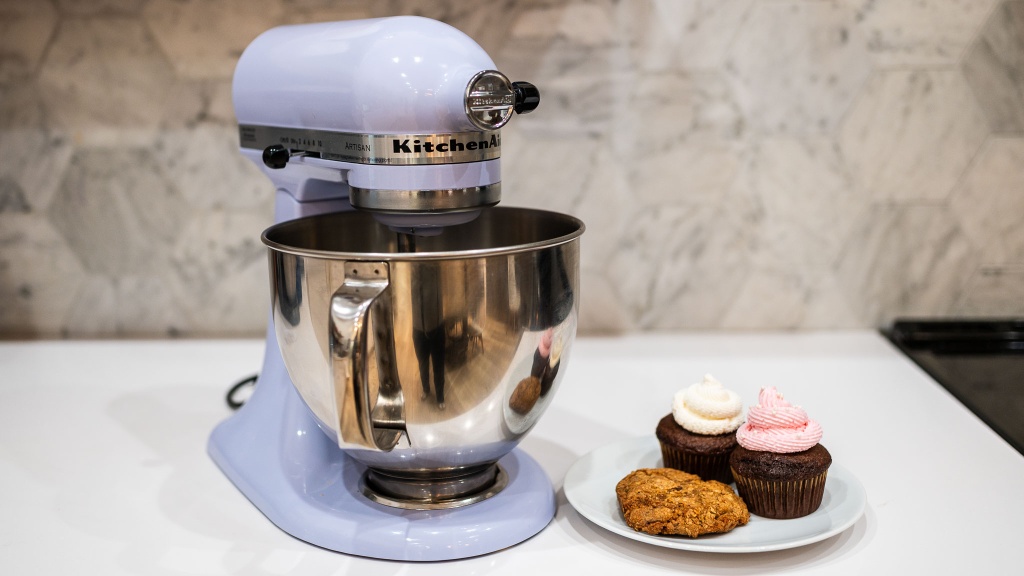
The KitchenAid Artisan remains the standard-bearer for tilt-head stand mixers, earning its reputation through consistent performance and iconic design. In our testing, it proved to be the most versatile option for general baking, handling everything from whipping egg whites to kneading stiff bread dough with equal ease. Its 5-quart capacity strikes the perfect balance for most home kitchens, offering enough volume for double batches of cookies or a standard loaf of bread without taking up excessive counter space.
What sets the Artisan apart is its direct-drive transmission, which provides the power needed for heavy tasks without the bulk of a bowl-lift model. The tilt-head mechanism allows for quick access to the bowl, making it simple to add ingredients or scrape down the sides mid-mix. While it may not match the raw power of professional-grade bowl-lift mixers for extremely dense doughs, it handles the vast majority of home baking tasks with minimal strain.
Beyond performance, the Artisan is a kitchen centerpiece. Its array of colors and the vast ecosystem of compatible attachments—from pasta makers to meat grinders—make it a customizable tool that grows with your baking needs. For most bakers, the combination of reliable mixing, user-friendly design, and aesthetic appeal makes the KitchenAid Artisan the safest and most satisfying choice.
Bosch Universal: The Heavy-Duty Workhorse
The Bosch Universal operates on a completely different mechanical philosophy than the traditional planetary mixers most bakers recognize. Instead of a stationary bowl with a rotating beater, the Bosch Universal uses a bottom-drive system where the bowl itself spins while a single hook remains fixed. This design eliminates the need for manual scraping and allows the machine to handle massive volumes of stiff dough with ease.
The motor is the defining feature of this appliance. Rated at a robust 800 watts, it provides the torque necessary to knead dense breads without straining or overheating. Unlike standard mixers that struggle with stiff bagel or pizza dough, the Bosch pushes through heavy loads efficiently. This power makes it the superior choice for bakers who regularly produce large batches or work with high-hydration, dense flours.
Durability is equally impressive. The all-metal gear construction ensures the machine can withstand years of heavy use. Many home bakers report using their Bosch for daily commercial-level batches without issues. While it may not offer the sleek aesthetic of other models, its reliability and speed make it an indispensable tool for serious bread baking.
Ankarsrum vs KitchenAid: Which Stand Mixer Fits Your Baking?
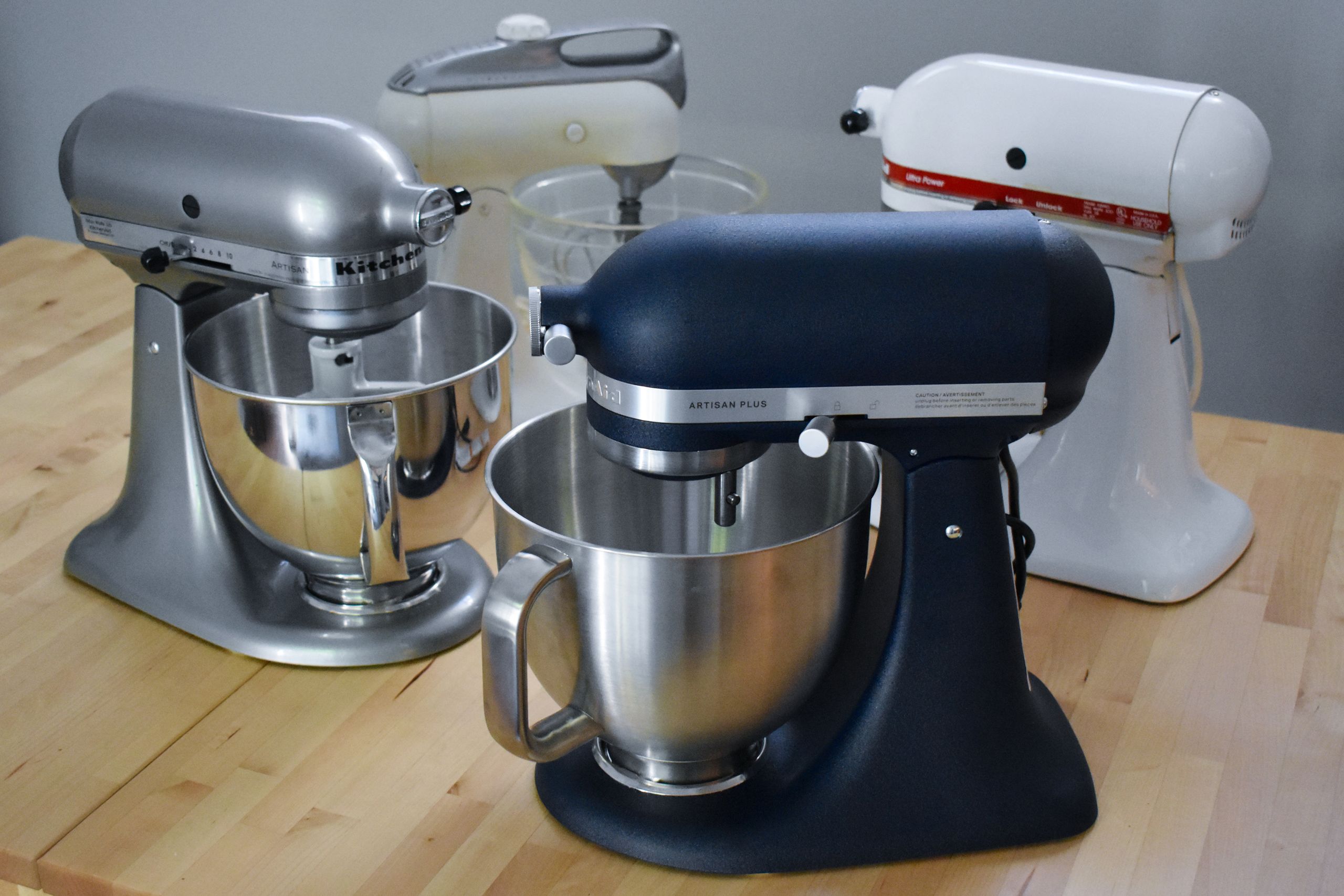
Choosing between an Ankarsrum and a KitchenAid comes down to understanding their fundamental mechanical differences. The KitchenAid uses planetary mixing, where the beater rotates on its own axis while spinning around the bowl. This method is excellent for light to medium tasks like whipping cream, mixing cake batter, or kneading soft cookie dough. However, the motor can strain when handling stiff bread doughs, and the beater may leave unmixed pockets near the bowl's edges.
The Ankarsrum Assistent operates on a completely different principle: a stationary bowl with a rotating dough hook and a scraper that holds the dough in place. This system mimics traditional hand kneading, making it exceptionally powerful for heavy, high-hydration bread doughs, bagels, and pizza bases. Because the motor is housed in the base and the bowl remains fixed, the Ankarsrum rarely overheats, even during long kneading sessions. It is a specialized tool for serious bread bakers who prioritize dough structure over versatility.
For most home bakers who make a mix of cookies, cakes, and occasional bread, the KitchenAid remains the more practical daily driver. Its wide array of attachments—such as pasta rollers, meat grinders, and vegetable slicers—makes it a multi-purpose kitchen hub. The Ankarsrum, while superior for bread, lacks this versatility and requires a learning curve to master its unique loading and scraping techniques.
Specification Comparison
The table below highlights the key differences in capacity, power, and design philosophy.
| Feature | Ankarsrum Assistent | KitchenAid Artisan |
|---|---|---|
| Mixing Method | Bowl-knife system | Planetary mixing |
| Best For | Heavy bread doughs | Cakes, cookies, light doughs |
| Bowl Capacity | 6-7 liters | 4.8-5 quarts |
| Motor Power | 600W (high torque) | 325W (standard) |
| Attachments | Limited (dough, whisk, roller) | Extensive ecosystem |
| Noise Level | Moderate | Quiet |
Best stand mixer for bread
If your primary goal is baking dense, high-hydration loaves, a standard tilt-head mixer will likely struggle. You need a machine built like a tank, not a countertop accessory. The Bosch Universal Plus stands out because it uses a unique bowl-design that mimics hand kneading. This mechanism generates the torque needed to fold heavy rye or whole wheat dough without straining the motor.
Unlike KitchenAid models that rely on a planetary gear system, the Bosch drives the dough hook from the bottom up. This keeps the motor cool even during long mixing sessions. It is the workhorse choice for serious bakers who make multiple loaves a week. The 6.5-quart capacity handles large batches, and the dough hook pulls the mass into a tight ball, developing gluten efficiently.
To test this capability, try a simple no-knead recipe. The high torque of the Bosch handles the stiff initial mix, then you can let the dough rest. This method requires minimal active effort but relies on a powerful machine to bring the ingredients together.
The result is a crusty, airy interior that proves the mixer’s strength. While other models might overheat or stall, the Bosch maintains consistent speed. This reliability makes it the top recommendation for anyone prioritizing bread quality over sleek aesthetics.
Stand mixer buying checklist
Choosing the right stand mixer means matching the machine’s capabilities to your actual baking habits. A tilt-head model like the KitchenAid Artisan is efficient for everyday tasks, but it can struggle with dense bread dough. For serious bakers who make bagels or large batches of pizza dough, a heavy-duty bowl-lift mixer or a Bosch Universal offers the power and durability needed to handle stiff mixtures without overheating.
Consider your kitchen space and budget before finalizing your purchase. Bosch mixers are compact and powerful, while models like the Ankarsrum provide massive capacity for large families. Always check the warranty and the availability of attachments, as these long-term costs impact your total investment. Use this checklist to verify the specs match your needs.
Common stand mixer: what to check next
Stand mixers are long-term investments, so understanding their limits and maintenance needs is essential before committing to a model. We address the most frequent technical questions regarding attachments, durability under heavy loads, and proper care to help you choose the right tool for your baking routine.
No comments yet. Be the first to share your thoughts!