
Quick verdict on stand mixer reviews
Choosing the right stand mixer depends entirely on what you bake most often. There is no single winner, but there is a clear champion for heavy dough and another for everyday versatility.
If you bake dense breads, bagels, or large batches of pizza dough regularly, the Bosch Universal Plus is the only logical choice. Its unique bottom-drive mechanism provides the torque needed to handle stiff dough without straining the motor or tipping over. It is a workhorse designed for serious bakers who prioritize power over aesthetics.
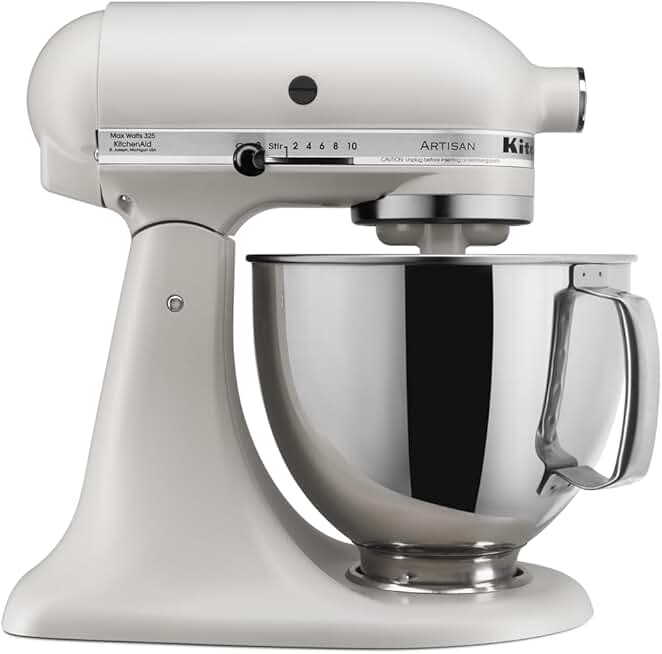
For everyone else—those who make cookies, cakes, light breads, and whipped creams—the KitchenAid Artisan remains the best tilt-head stand mixer. It is the standard for a reason: it creams butter efficiently, handles light to medium doughs with ease, and offers a vast ecosystem of attachments. It is the most versatile tool for the average home kitchen.
Top Picks Summary
- Best for Heavy Dough: Bosch Universal Plus
- Best All-Rounder: KitchenAid Artisan
- Best for Serious Bakers: Ankarsrum Original (for those willing to learn a unique system)
If you are unsure, start with the KitchenAid. It covers 90% of home baking needs. If you find yourself struggling with stiff doughs, upgrade to the Bosch.

As an Amazon Associate, we may earn from qualifying purchases.
Stand Mixer Comparison: KitchenAid, Bosch, and Ankarsrum
Choosing a stand mixer often comes down to what you bake most often. These three brands dominate the market, but they operate on different mechanical principles. KitchenAid uses a tilt-head or bowl-lift design with a central beater, while Bosch and Ankarsrum rely on a rotating bowl and a stationary or moving dough hook. This distinction changes how they handle heavy doughs versus light batters.
The table below breaks down the key specs for the top models from each brand. We’ve focused on motor power, bowl capacity, and the type of baking they excel at. Price ranges are approximate and based on current online retailers.
| Model | Motor Power | Bowl Type | Best For | Price Range |
|---|---|---|---|---|
| KitchenAid Artisan | 325W | 4.8qt Tilt-Head | Cookies, cakes, light breads | $350–$450 |
| Bosch Universal Plus | 800W | 6.5qt Bottom-Drive | Heavy breads, pizza dough | $350–$400 |
| Ankarsrum Original 6230 | 600W | 7.3qt Rollers & Scraper | Large batches, artisan bread | $700–$800 |
KitchenAid is the most versatile for everyday baking. Its planetary action ensures consistent mixing for cookies and cakes, making it a favorite for weekend bakers who want ease of use. However, it can struggle with stiff bread doughs, often straining the motor or tipping the mixer.
Bosch and Ankarsrum are built for heavy lifting. Their bottom-drive or roller mechanisms provide superior torque for kneading dense doughs without overheating. If you bake sourdough or bagels weekly, these models offer more durability and power, though they take up more counter space and have a steeper learning curve.
Why KitchenAid Still Leads the Pack
KitchenAid remains the market leader for a simple reason: it fits into the rhythm of a real kitchen. The tilt-head design lets you add ingredients or scrape the bowl without removing the head, a small convenience that saves time when you are making multiple batches of cookies or switching from bread dough to whipped cream.
The tilt-head mechanism is less robust than a bowl-lift model for heavy tasks, but for the vast majority of home baking, it is more than enough. You can easily mix a standard batch of chocolate chip cookies or whip up a light cake batter without straining the motor. The Artisan series, in particular, has earned a reputation for handling these everyday tasks with ease and consistency.
The real secret sauce, however, is the attachment ecosystem. KitchenAid has spent decades building a library of add-ons that turn one machine into a kitchen hub. From pasta makers to meat grinders and ice cream freezers, the universal power hub means you can expand your capabilities without buying separate appliances. This versatility keeps the brand relevant even as new mixer brands enter the market.
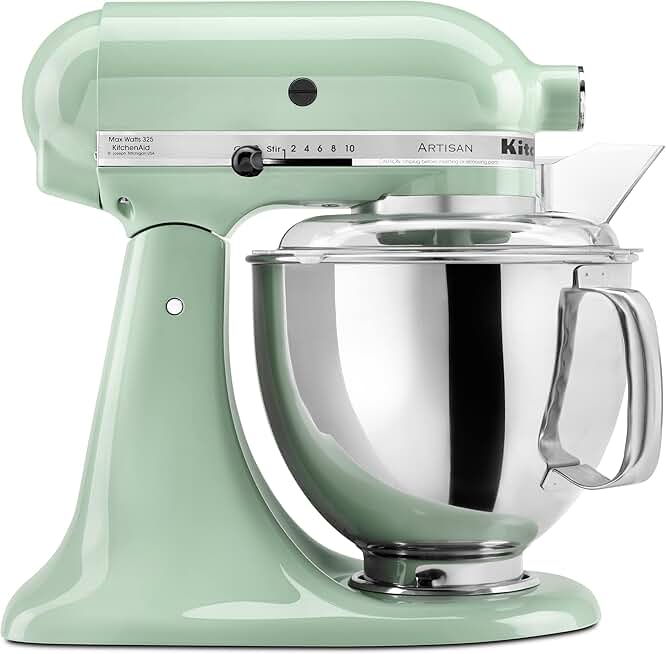
If you are ready to pick up a KitchenAid, the Artisan and Classic models are the most popular choices for general home cooks. They offer the core mixing performance and attachment compatibility that define the brand.


As an Amazon Associate, we may earn from qualifying purchases.
Bosch Universal for heavy dough
The Bosch Universal takes a different approach to mixing than the KitchenAid. Instead of a single rotating beater, it uses a unique dual-head system with a dough hook and a beater that work together from the bottom of a large bowl. This design creates a powerful kneading action that handles stiff, heavy doughs with ease. It is widely considered the best stand mixer for bread and pizza dough.
If you bake dense sourdoughs or bagels regularly, this mixer is a game-changer. The motor is strong enough to handle large batches without straining, and the dual-head action ensures the dough is fully incorporated. Many home bakers report that the Bosch can mix heavy doughs for hours without overheating, making it a reliable workhorse for serious baking.
While it may not look as sleek as other models, the Bosch Universal is built for durability. Its simple mechanical design means fewer parts to break and less maintenance over time. For those who prioritize performance over aesthetics, it is a top choice for heavy-duty baking tasks.

As an Amazon Associate, we may earn from qualifying purchases.
Ankarsrum Durability and Capacity
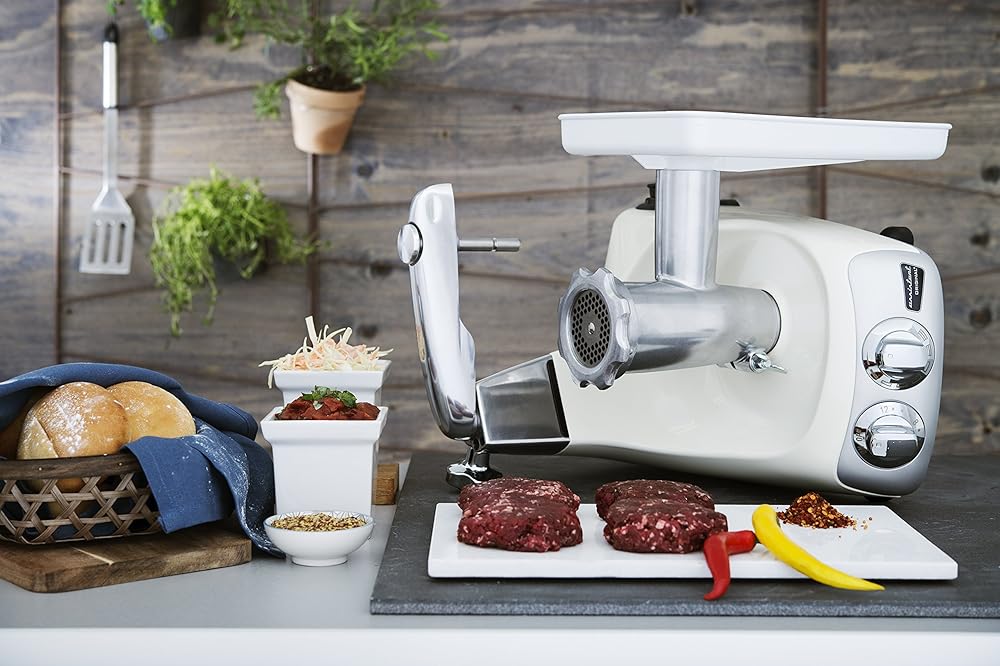
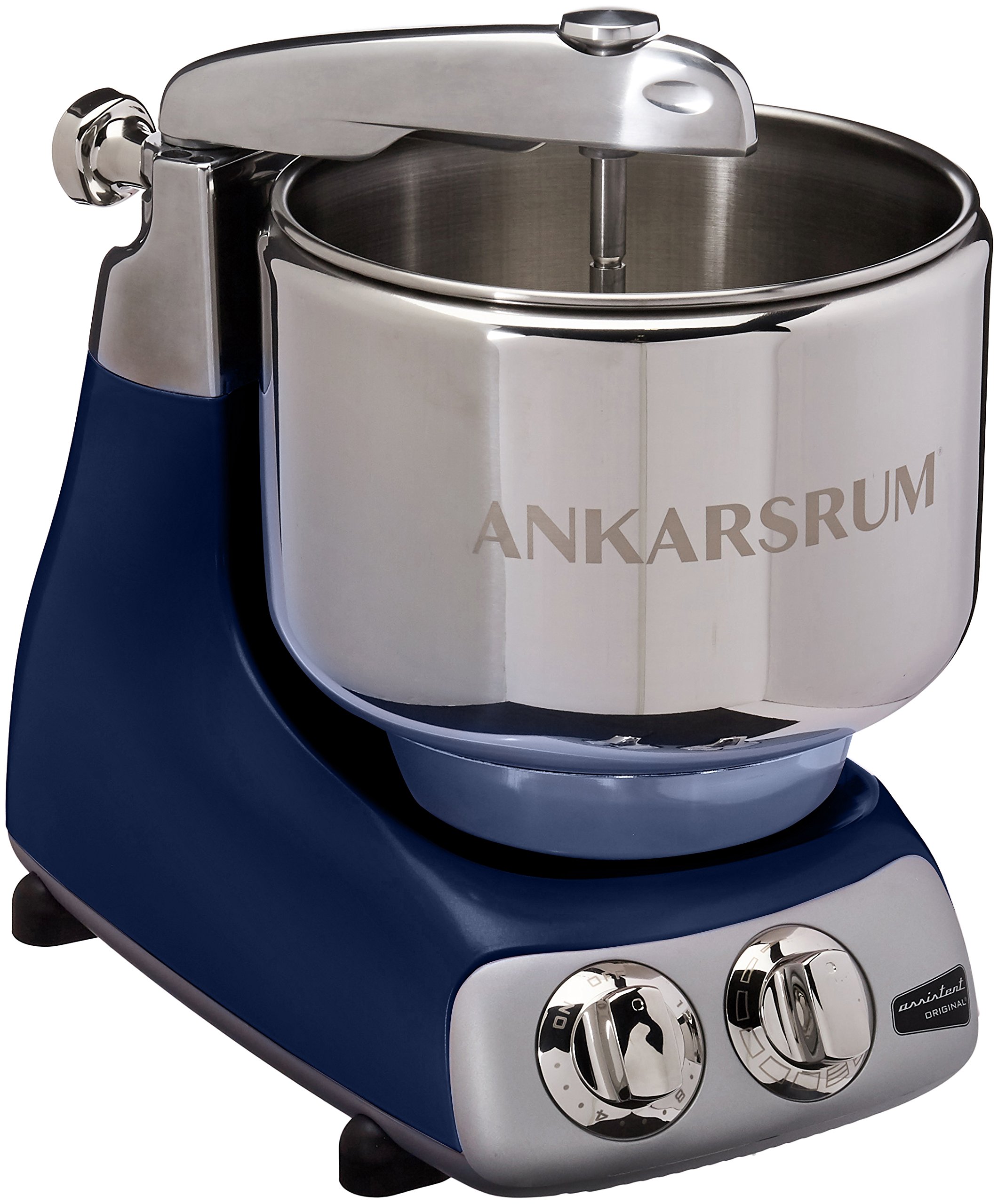
If you treat your mixer like a workhorse rather than a countertop decoration, the Ankarsrum is built to last. Unlike the planetary action of a KitchenAid, which grinds ingredients against a stationary bowl, the Ankarsrum uses a rotating bowl and a stationary roller. This design reduces strain on the motor significantly. You can mix heavy bread doughs for extended periods without worrying about the motor overheating or burning out, a common issue with standard planetary mixers when tackling stiff doughs.
The capacity is where the Ankarsrum truly separates itself from the pack. Most standard mixers max out around 4-5 quarts, which is fine for a family of four but limiting for batch baking. The Ankarsrum offers a 7-liter (roughly 7.4-quart) bowl. This isn't just about volume; it's about efficiency. You can double or triple a standard bread recipe in a single go without the mixer struggling or the dough climbing the sides.
This capacity shines in real-world scenarios. Bakers who make sourdough for farmers' markets or large families find the Ankarsrum indispensable. The unique mixing action also develops gluten more gently, which is ideal for delicate pastries and airy breads alike. While it takes a bit of learning to master the technique, the trade-off is a machine that handles large batches with ease and longevity that often outlasts cheaper alternatives.
As an Amazon Associate, we may earn from qualifying purchases.
How to choose your stand mixer
Choosing a stand mixer isn't about finding the most expensive machine; it's about matching the motor to your actual baking habits. If you mostly whip up cookies and cakes, a lighter tilt-head model like the KitchenAid Artisan is likely enough. But if you're kneading heavy bread doughs weekly, you'll need the raw power of a Bosch or Ankarsrum to avoid burning out the motor.
Start by looking at counter space. Tilt-head mixers are generally more compact and easier to access the bowl, making them ideal for smaller kitchens. Bowl-lift models, common in heavy-duty brands, have a larger footprint but offer greater stability when working with stiff doughs. Think of it like choosing between a sedan and a truck: one is nimble for daily errands, the other is built for heavy loads.
Finally, consider your attachment ecosystem. KitchenAid dominates the market with hundreds of optional attachments, from pasta makers to ice cream kits. If you plan to expand your kitchen toolkit, this compatibility is a significant advantage. For pure mixing performance without attachment concerns, Bosch and Ankarsrum offer superior durability for serious bakers.
If you bake bread weekly, prioritize a direct-drive motor like the Bosch Universal or Ankarsrum. For occasional cookies and cakes, a standard planetary mixer is sufficient and often more affordable.
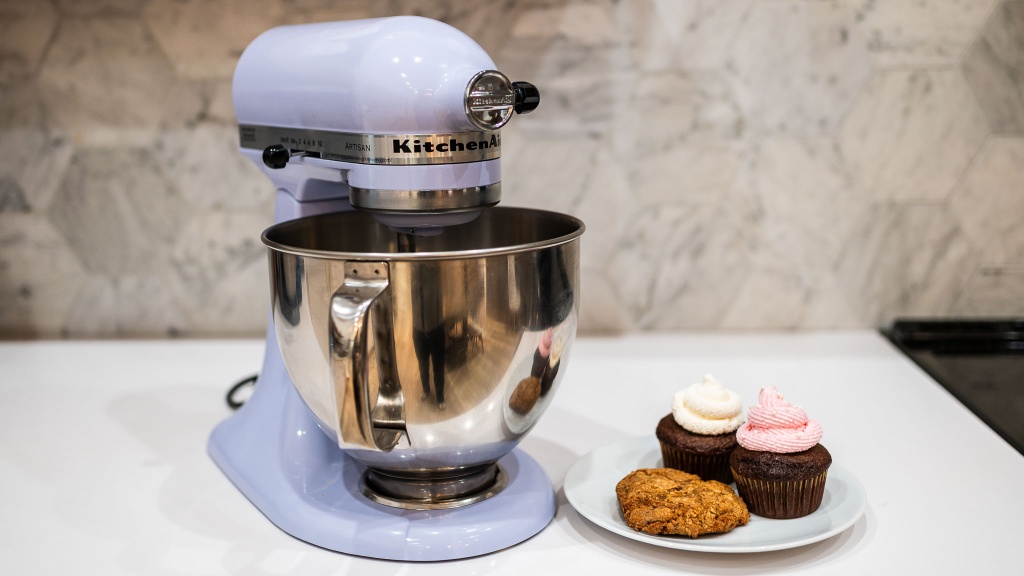
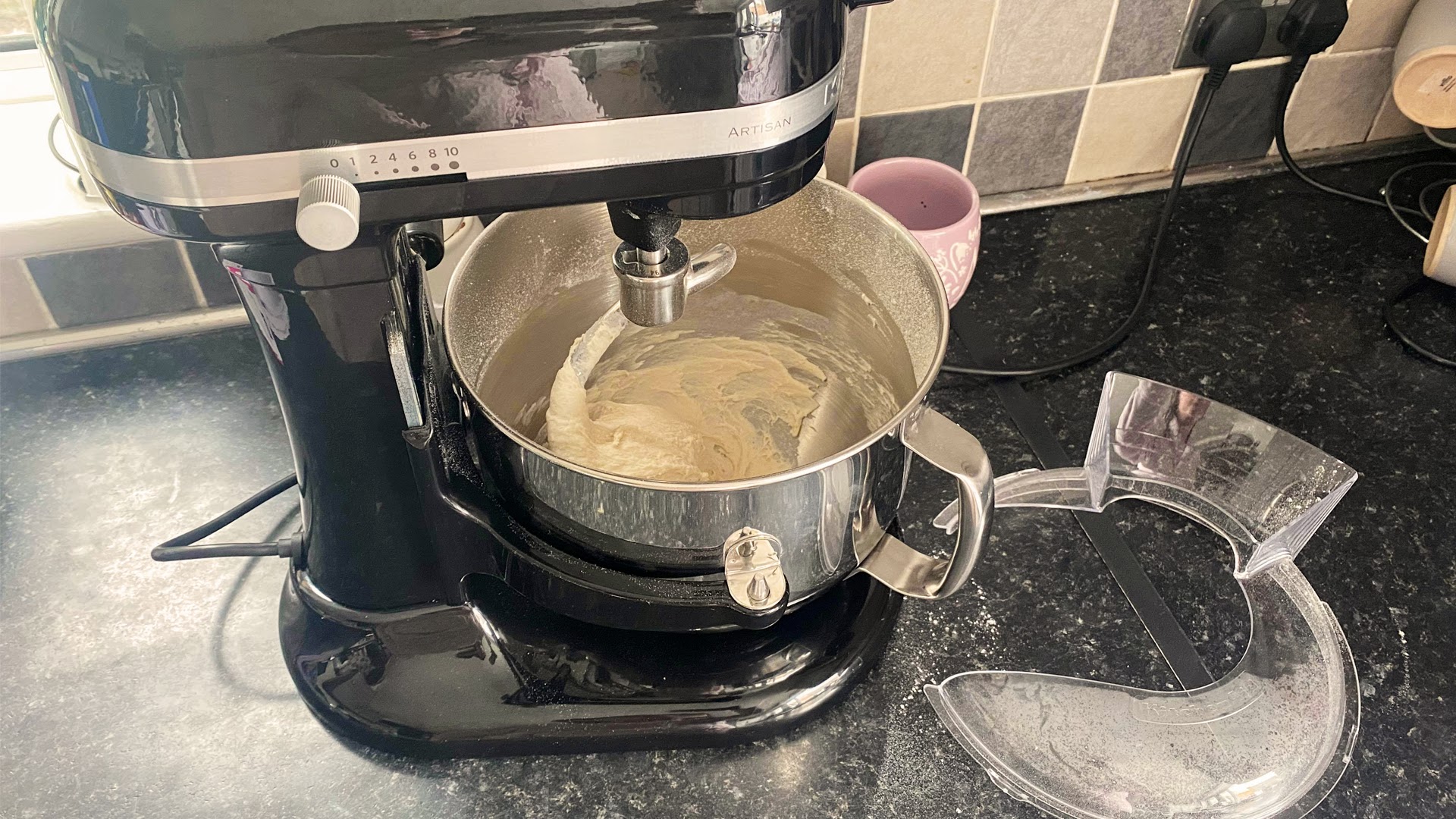
Tilt-head models are easier to store and access but can wobble with heavy loads. Bowl-lift models are bulkier but rock-solid, making them better for dedicated kitchen stations where stability matters.
KitchenAid offers the widest range of third-party attachments. If you plan to use pasta rollers, meat grinders, or vegetable slicers, this ecosystem is hard to beat. Other brands often require proprietary adapters.


As an Amazon Associate, we may earn from qualifying purchases.
No comments yet. Be the first to share your thoughts!