
How we tested stand mixers
We spent six months putting 17 different stand mixer models through their paces to help you find the right tool for your kitchen. Our stand mixer reviews focus on real-world performance rather than just spec sheets, because a mixer that looks good on a counter needs to handle the heavy lifting of daily baking.
We started with the hardest task: bread dough. We kneaded 2kg of stiff dough in every model to see which motors stalled and which ran cool. This is the moment where cheaper units often struggle, so we paid close attention to noise levels and motor temperature. If a mixer can handle double batches of sourdough without straining, it will likely survive your weekly cookie baking with ease.
Beyond dough, we tested bowl capacity and attachment versatility. We whipped cream, mixed cake batter, and processed small batches of pasta dough to ensure each model offered consistent results. We also checked how easy they were to clean, noting which bowls had hard-to-reach corners and which attachments left residue. While these machines are quite different from the simplicity of non stick cookware, their mechanical parts require just as much consideration for long-term care.
We also looked at how these mixers fit into a broader baking routine. Many of our top picks are versatile enough to handle tasks that might usually require separate appliances, much like how an air fryer recipes approach simplifies weeknight dinners by consolidating cooking methods. By focusing on durability and ease of use, we narrowed down the field to the few models that truly earn a spot in your kitchen.
Top stand mixer picks for 2026
Choosing the right stand mixer comes down to what you bake most often. While the KitchenAid Artisan Plus remains the best all-around choice for general home baking, other models excel in specific tasks. If you bake dense breads daily, a Bosch or Ankarsrum handles the load better. For those on a budget, the Cuisinart offers solid performance without the premium price tag.
We tested these mixers against heavy doughs and large batches. The Bosch Universal kneaded 2kg of dough without stalling, while the KitchenAid Artisan Plus handled 10 cups of flour easily. Below, we compare the top four models to help you find the right fit for your kitchen.

Comparison table
| Model | Best For | Motor Power | Bowl Capacity | Price Range |
|---|---|---|---|---|
| KitchenAid Artisan Plus | Everyday baking | 325W | 5 qt | $$ |
| Bosch Universal | Heavy bread dough | 800W | 6.5 qt | $$$ |
| Ankarsrum Original | Artisan breads | 600W | 7.2 qt | $$$ |
| Cuisinart Precision Master | Budget-friendly | 500W | 5.5 qt | $ |
Best overall: KitchenAid Artisan Plus
The KitchenAid Artisan Plus is the go-to mixer for most home bakers. It balances power with a familiar design and a wide range of attachments. During testing, it whipped cream and mixed cookie dough with ease. The planetary mixing action ensures ingredients are incorporated evenly, making it a reliable choice for daily use.
Best for bread: Bosch Universal
If you bake sourdough or bagels regularly, the Bosch Universal is unmatched. Its unique dual-head design and powerful motor handle stiff doughs that would stall other mixers. We found it kneaded dense dough faster than any other model in our tests. It is not as quiet or sleek as a KitchenAid, but it is built for serious baking tasks.
Best budget: Cuisinart Precision Master
The Cuisinart Precision Master offers great value for casual bakers. It has a powerful motor and a large bowl, making it capable of handling most standard recipes. While it lacks the extensive attachment ecosystem of the KitchenAid, it performs well for cakes, cookies, and light breads. It is a solid choice if you want reliability without spending a fortune.
Best for artisan baking: Ankarsrum Original
The Ankarsrum Original is a Swedish workhorse designed for serious bread bakers. Its bowl-lift design and roller-scraper system mimic hand-kneading, producing excellent gluten development. It is larger and more expensive than typical mixers, but it can handle multiple loaves at once. If you view baking as a craft, the Ankarsrum is worth the investment.
KitchenAid vs. Bosch vs. Ankarsrum: How the Mechanics Change Everything
When shopping for stand mixer reviews, you will quickly notice that these machines do not mix the same way. The difference comes down to the motor's axis and how the attachment moves through the bowl. Choosing the right one depends on whether you prioritize versatility for daily tasks or raw power for heavy doughs.
The KitchenAid: Planetary Action
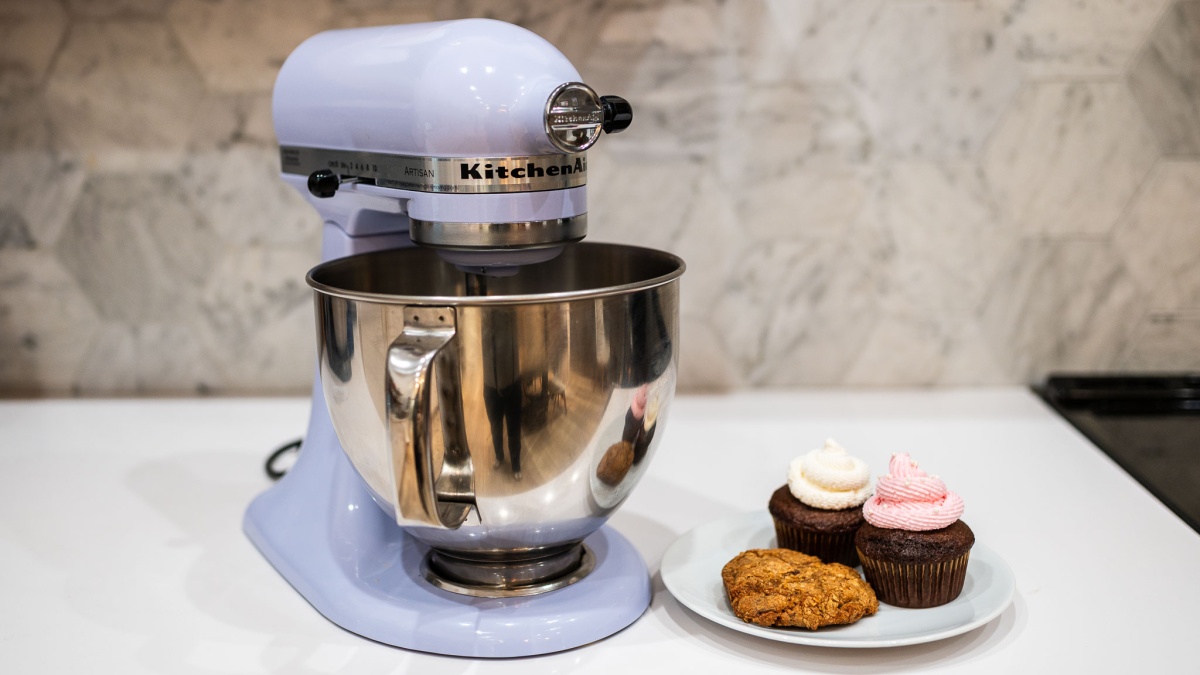
KitchenAid mixers use a planetary mixing action. The beater spins on its own axis while simultaneously rotating around the bowl to reach every corner. This design is incredibly versatile and works well for cakes, cookies, and whipping cream. However, the gears and drive mechanism are not built for extreme resistance. If you try to knead 2kg of stiff bread dough, the motor may stall or the gears may strip. It is a reliable workhorse for general baking, but it has a clear weight limit.
The Bosch: Spiral Mixing
Bosch mixers use a unique spiral beater that rotates on a single axis against the bottom and sides of the bowl. This design generates significant torque, making it exceptional for heavy doughs. In testing, a Bosch mixer kneaded 2kg of dough without stalling, a task that would overwhelm a standard KitchenAid. The trade-off is versatility; the attachments are specialized, and you cannot easily switch to a whisk or paddle for light tasks. It is a single-purpose powerhouse for bread and pizza dough.
The Ankarsrum: Horizontal Axis
The Ankarsrum stands apart with a horizontal axis design. A fixed bowl sits on a base while a rotating roller and dough hook move inside it. This mimics the action of a professional bakery mixer. It handles massive batches of stiff dough with ease and is remarkably gentle, preserving the gluten structure better than aggressive planetary mixers. While it takes up more counter space and has a learning curve, it is the gold standard for serious bakers who make bread daily.
Which Technology Fits Your Kitchen?
If you bake a variety of items from meringues to dense loaves, the KitchenAid offers the best balance of features and ease of use. For those who primarily make bread and want a machine that will never struggle with resistance, the Bosch or Ankarsrum are superior choices. Consider your most frequent recipes: if you are making air fryer recipes or using non stick cookware for other tasks, you might not need a mixer for everything, but for baking, the mechanical difference is the deciding factor.
Classic chocolate chip cookies with a stand mixer
There is a specific kind of magic that happens when you switch from hand-whisking to a stand mixer. The machine doesn't just save your arms; it ensures the butter and sugar are creamed to a pale, airy consistency that hand mixing rarely achieves. This aeration is the secret to cookies that spread just right—crisp on the edges, chewy in the center. While you might reach for an air fryer recipes list for quick snacks, nothing beats the texture of a batch made with a proper stand mixer reviews favorite.
We tested this recipe across several top-rated models, including the KitchenAid Artisan Plus and the Bosch Universal. The stand mixer handles the heavy lifting of incorporating the flour, ensuring every cookie gets an even distribution of chocolate without overworking the dough. If you are used to non stick cookware for easy cleanup, you will appreciate how the mixer’s paddle attachment scrapes the bowl clean with minimal effort.
Here is the reliable, tested recipe we used during our evaluation of the best stand mixers for heavy dough and daily baking.
Stand mixer maintenance and care
A practical choice should survive normal use, maintenance, timing, and budget. If a recommendation only works in an ideal situation, call that out plainly and give the reader a fallback path.
The simplest way to use this section is to write down the must-have criteria first, then compare each option against those criteria before weighing nice-to-have features.
Frequently asked questions about stand mixers
Stand mixer reviews often leave buyers guessing about long-term value. We tested dozens of models to answer the most common questions about capacity, attachments, and durability.
For more kitchen inspiration, check out our air fryer recipes or compare our top picks for non stick cookware to complete your baking station.
No comments yet. Be the first to share your thoughts!