
Why a stand mixer changes baking
A stand mixer transforms the mechanical labor of baking into a controlled, repeatable process. Hand mixing relies on inconsistent wrist pressure and variable speed, which often leads to uneven gluten development or overworked dough. A stand mixer provides constant torque and precise speed control, ensuring that ingredients incorporate uniformly every time. This consistency is the primary reason professional bakers and serious home cooks rely on them for everything from delicate meringues to heavy bread doughs.
The most significant advantage is the ability to handle dense mixtures without fatigue. Kneading stiff sourdough or bagel dough by hand can take twenty minutes of intense physical effort. A stand mixer with a robust motor and planetary mixing action accomplishes this in a fraction of the time, freeing the baker to focus on timing, temperature, and technique. As noted by Serious Eats, a quality stand mixer like the KitchenAid Artisan Plus is often the only appliance a home baker needs for a wide range of tasks.
Beyond speed, a stand mixer offers mechanical stability. The heavy base and secure bowl attachment prevent the machine from "walking" across the counter, a common issue with lighter handheld mixers when processing thick batters. This stability allows for higher speeds without spillage or vibration, resulting in better aeration in cakes and smoother textures in frostings.

KitchenAid Artisan Plus review
The KitchenAid Artisan Plus stands as the default choice for general home baking, bridging the gap between entry-level affordability and professional-grade versatility. As Serious Eats notes, it is often the "first and last stand mixer" a home baker will need, a claim supported by its robust 4.5-quart bowl and powerful direct-drive motor.

What sets the Artisan Plus apart from its predecessors is the inclusion of a flat beater with an integrated mixing arm. This design change ensures that ingredients are scraped from the bowl walls continuously, reducing the need to stop and scrape down the sides—a common frustration with older models. The result is more consistent dough hydration and fewer pockets of unmixed flour.
The true strength of this mixer lies in its attachment ecosystem. With a standard hub, it accepts over 15 optional attachments, from pasta rollers to meat grinders. This modularity makes it a centerpiece for a versatile kitchen, though it does add significant weight and counter footprint. For bakers who prioritize one machine that handles bread, cookies, and fresh pasta, the Artisan Plus offers unmatched utility.
Bosch Universal Plus: The European Workhorse
The Bosch Universal Plus operates on a fundamentally different mechanical principle than the spiral or planetary mixers you might be used to. Instead of a rotating bowl and a fixed hook, this machine uses a large, flexible dough hook that presses against the bottom of the bowl while a separate beater spins the contents. This dual-action mechanism creates a kneading motion that is remarkably efficient, often described by testers as "chewing" the dough rather than just stirring it.
This design translates directly into raw power. The Bosch is widely regarded as the most powerful stand mixer on the market for heavy doughs. Where a KitchenAid Artisan might struggle or overheat with stiff bagel or pretzel dough, the Bosch handles it with ease. Its 800-watt motor is paired with a unique drive system that allows it to process up to 11 pounds of bread dough in a single batch, making it the undisputed king for serious bakers who prioritize volume and density over aesthetics.
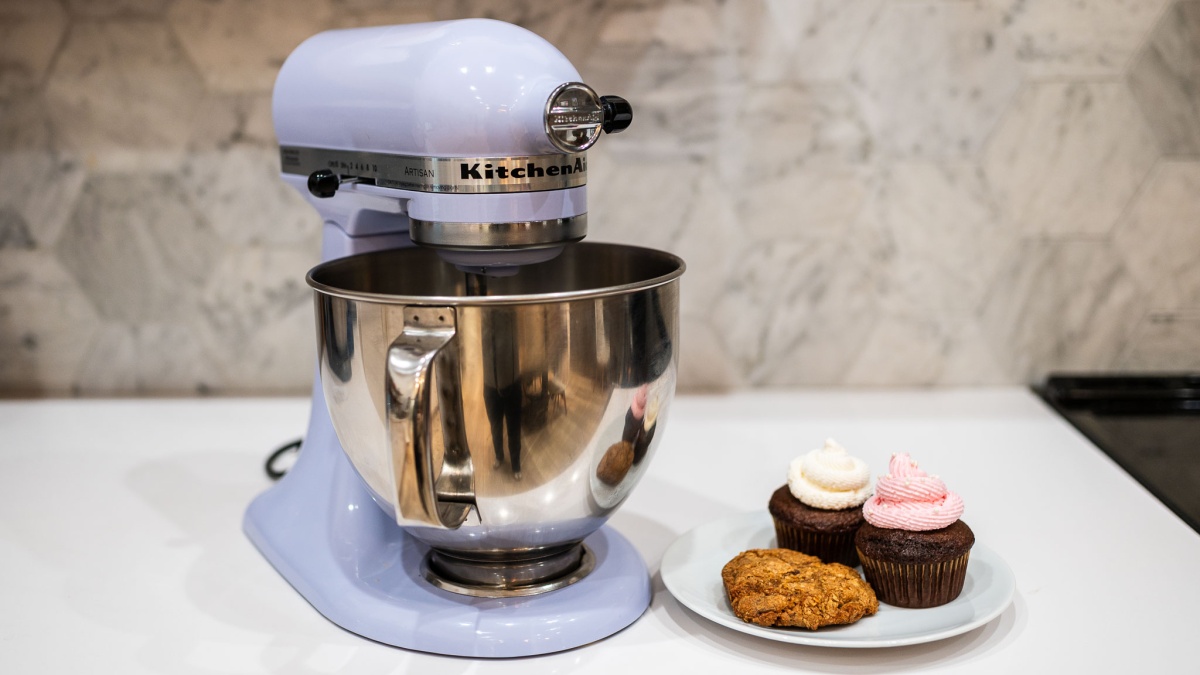
The trade-off for this performance is a learning curve. The mixing bowl is deep and narrow, and the attachments are specific to the Bosch ecosystem. You cannot swap in a KitchenAid hook or a generic whisk. However, for those who view their mixer as a tool rather than a countertop ornament, the durability is undeniable. Long-term users report that the motor rarely overheats, even during extended kneading sessions for multiple loaves of sourdough.
If your primary goal is baking dense, high-hydration breads in quantity, the Bosch Universal Plus is the superior choice. It lacks the sleek, retro appeal of its competitors, but its mechanical efficiency and torque make it a serious piece of equipment for the dedicated home baker.
| Feature | Bosch Universal Plus | KitchenAid Artisan | Ankarsrum Assistent |
|---|---|---|---|
| Bowl Capacity | 6.5L | 5L | 6.5L |
| Motor Type | Direct Drive | Planetary | Side-Drive |
| Best For | Heavy Doughs | General Baking | Large Batches |
| Noise Level | Moderate | Low | Moderate |
| Attachment Ecosystem | Proprietary | Wide | Proprietary |
Ankarsrum Assistent review
The Ankarsrum Assistent stands apart from the KitchenAid and Bosch models with a fundamentally different mechanical approach. Instead of a stationary bowl and rotating beater, this Swedish-made mixer uses a rotating bowl with a stationary dough hook and roller. This gentle kneading action mimics hand folding, which many serious bakers argue produces a more consistent gluten development without overworking the dough.
The capacity is its most compelling feature. With a standard 7-liter bowl, it handles up to 16 cups of flour or five pounds of dough in a single batch. This makes it an ideal choice for families who bake large batches of bread weekly or for those who want to make multiple loaves at once. The motor is also notably powerful, designed to run for extended periods without overheating, a common issue with smaller planetary mixers when tackling stiff doughs.
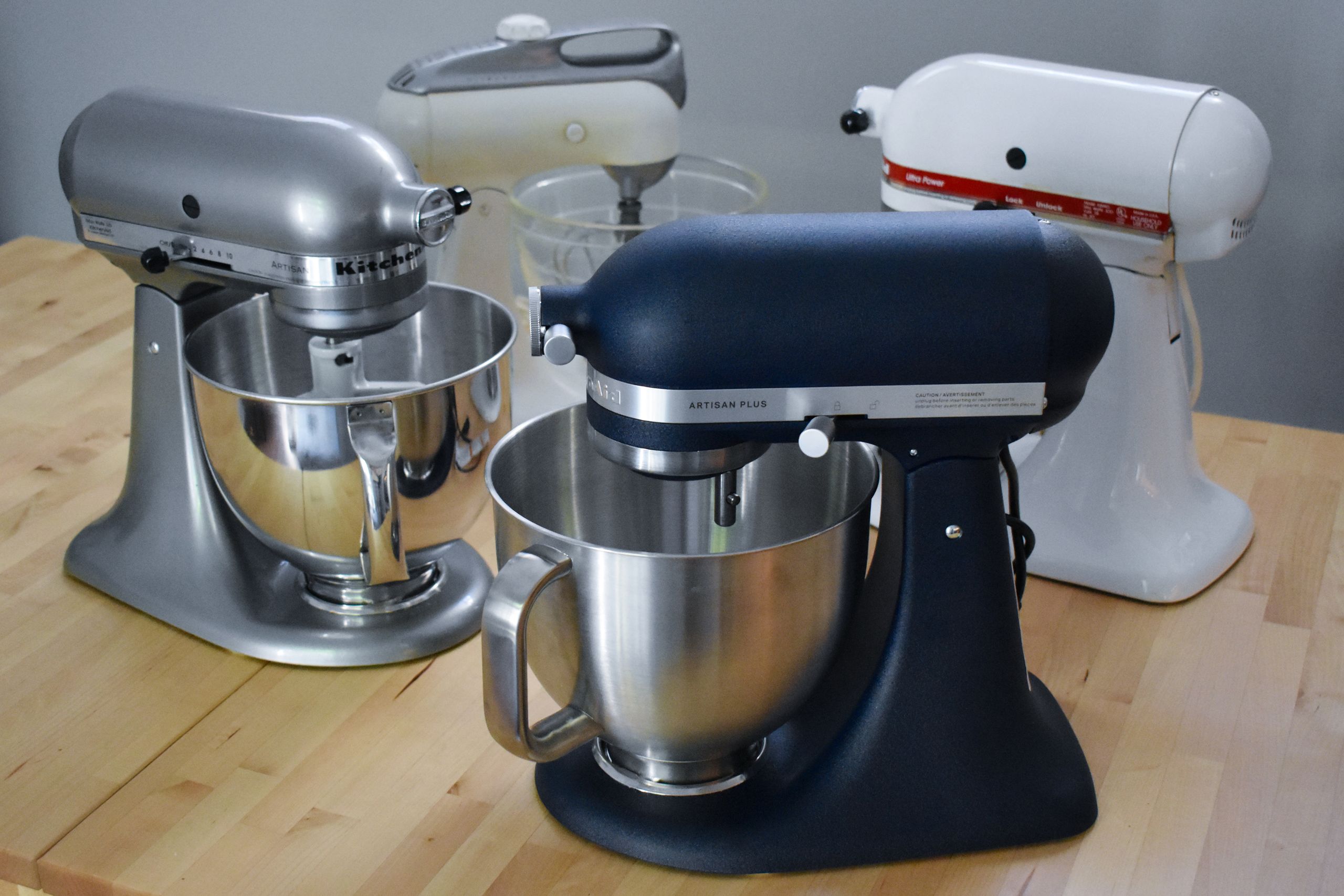
Performance testing confirms that the Ankarsrum excels at heavy, sticky doughs that typically stall other mixers. The rotating bowl ensures that all ingredients are incorporated evenly, reducing the need to stop and scrape down the sides. However, the learning curve is steeper. The unique mechanism requires a bit of practice to master, and the initial setup can feel counterintuitive compared to traditional mixers.
For bakers who prioritize volume and gentle handling over convenience and aesthetics, the Ankarsrum is a worthy investment. It is less about flashy features and more about raw, reliable performance for high-volume baking.
Stand Mixer Specs and Pricing
Choosing between a KitchenAid, Bosch, and Ankarsrum often comes down to three factors: bowl capacity, motor strength, and budget. The table below breaks down the key specifications for the leading models in each brand's lineup, helping you decide which machine fits your baking volume and financial constraints.
KitchenAid mixers are the industry standard for home bakers, offering a compact 5-quart bowl that handles most weekend recipes. Their planetary mixing action is gentle on ingredients but relies on a modest motor that can struggle with heavy doughs. Bosch takes a different approach with a powerful 800-watt motor and a unique dual-head system that churns dense bread doughs faster than any other mixer on the market. Ankarsrum sits in a premium tier, featuring a large 7.2-quart bowl and a distinctive bottom-driven mechanism that excels at large batches without straining the motor.
Price points vary significantly, with Bosch offering the best value for high-performance mixing, while Ankarsrum commands a higher price for its durability and large capacity. KitchenAid sits in the middle, with costs rising for attachments and color options. For detailed lab-tested performance data on kneading efficiency, you can refer to Consumer Reports and Serious Eats.
How to choose your stand mixer
Selecting the right stand mixer depends on three practical factors: the density of dough you plan to make, your typical batch size, and your budget. A mismatch here leads to motor strain, uneven mixing, or a machine that sits unused.
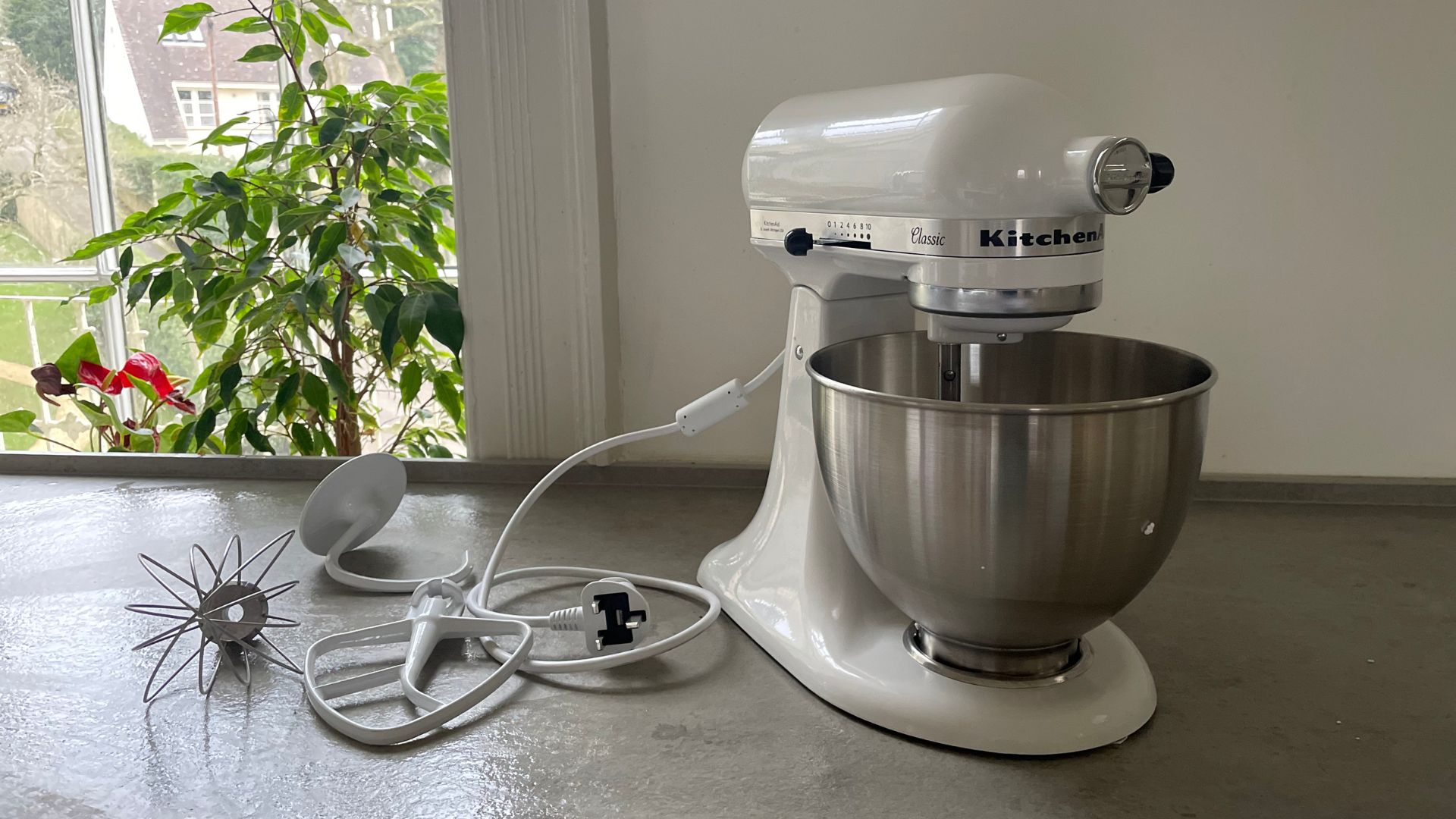
Heavy doughs like bread, pizza, or bagels require significant torque. Bosch and Ankarsrum models use direct-drive or rear-drive systems that handle stiff dough without overheating. Standard KitchenAid tilt-head models often struggle or stall with doughs exceeding two pounds of flour. If you bake bread weekly, prioritize a heavy-duty planetary or spiral mixer over a light-duty tilt-head.
Look at the bowl size relative to your household. A 4.5-quart mixer suits occasional bakers making one loaf or a batch of cookies. For families or frequent entertainers, a 5-quart or larger bowl allows you to mix double batches without overworking the motor. Check the manufacturer’s maximum flour weight limit, not just the liquid volume, to ensure the motor can handle the load.
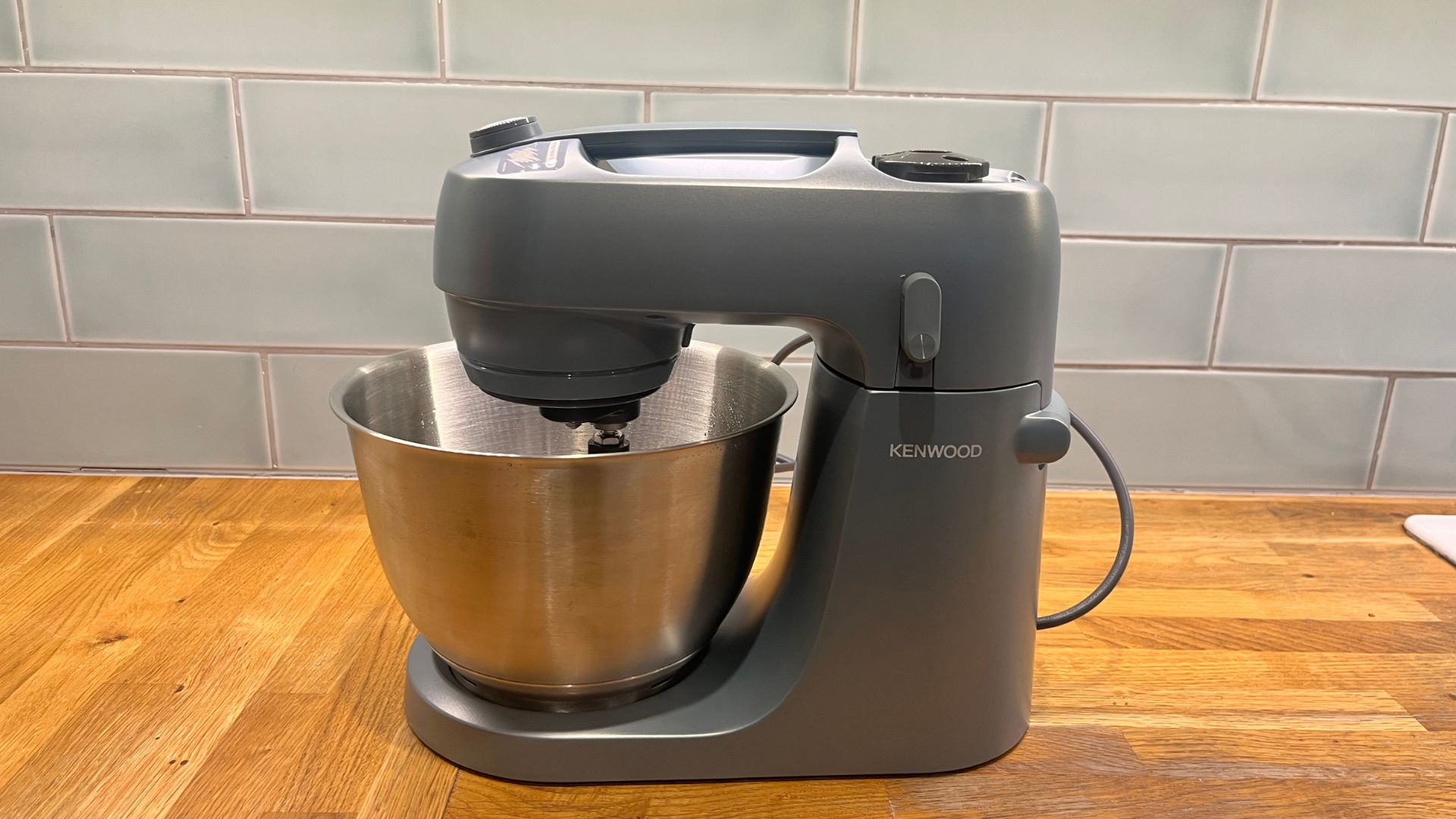
KitchenAid’s hub system offers the widest range of attachments, from pasta makers to grain mills. Bosch and Ankarsrum have proprietary adapters that are fewer in number but often more robust for specific tasks. If you plan to use attachments regularly, verify that the mixer’s hub supports the specific tool you want before buying.
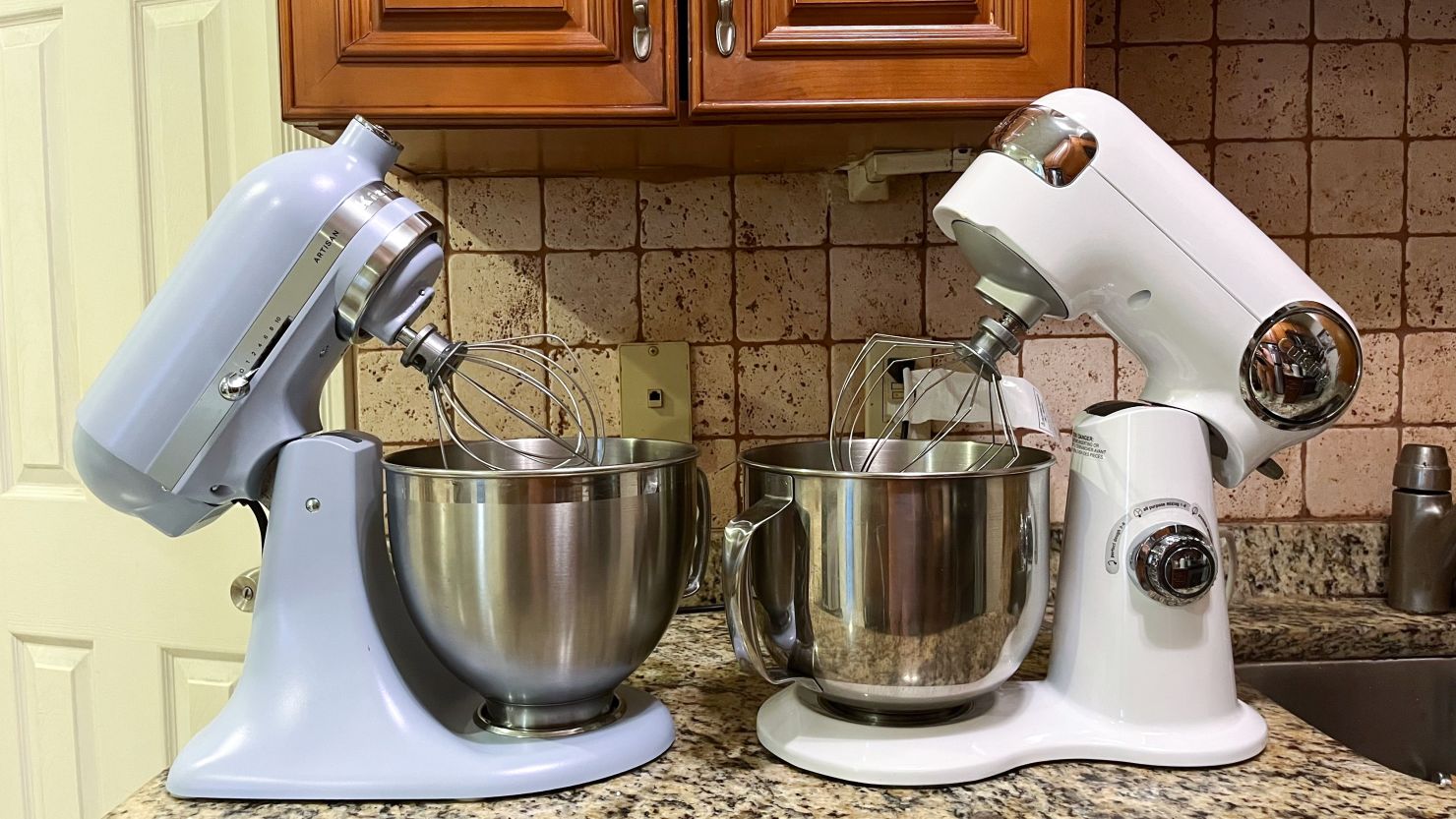
Stand mixers range from $200 to $800+. Budget models often use plastic gears that wear out faster under heavy loads. Mid-range models like the KitchenAid Artisan offer a balance of durability and features. Premium models from Ankarsrum or Bosch Commercial series justify their cost through metal gears and longer warranties, making them better long-term investments for serious bakers.
For detailed lab-tested performance data on motor durability and mixing efficiency, refer to Consumer Reports or Serious Eats. These sources provide objective comparisons that complement the practical guidelines above.
Frequently asked questions about stand mixers
Which mixer is best for heavy bread dough?
If your primary goal is kneading stiff doughs like bagels or dense whole-grain loaves, the Bosch Universal Plus and the Ankarsrum are the superior choices. Unlike the KitchenAid, which uses a beater that scrapes against the bowl wall, these models use a dough hook that lifts and folds the mass against a stationary bowl. This design prevents the motor from straining or overheating during long kneading sessions. As noted in community reviews, the Bosch can handle high-volume dough batches for extended periods without the thermal shutdowns common in planetary mixers.
Can I use attachments from other brands with a KitchenAid?
Yes, KitchenAid stands out for its universal attachment hub compatibility. Most major brands, including Cuisinart and Hamilton Beach, manufacture attachments designed specifically for the KitchenAid hub. This includes pasta rollers, grain mills, and vegetable slicers. While Bosch and Ankarsrum mixers are exceptional at mixing, their attachment ecosystems are proprietary and significantly more limited. If you plan to expand your kitchen capabilities beyond mixing, the KitchenAid offers the most versatile and accessible expansion path.
How do I maintain a stand mixer to ensure longevity?
Proper maintenance varies by model but generally involves keeping the gear mechanism clean and lubricated. For KitchenAid models, the worm gear is made of nylon; over-tightening the bowl or forcing stiff dough can strip these gears. Always use the lowest speed setting when incorporating dry ingredients and gradually increase speed. For Bosch and Ankarsrum users, check the manufacturer’s manual for specific lubrication intervals, as their metal gear systems require different care. Regularly wiping down the bowl and beaters after use prevents batter from hardening in crevices, making future cleaning easier and preserving the machine’s finish.
No comments yet. Be the first to share your thoughts!