
Make the recipe
Start with measured ingredients and pay attention to the texture cue in the method. Most recipe problems come from changing thickness, moisture, or heat without adjusting the timing.
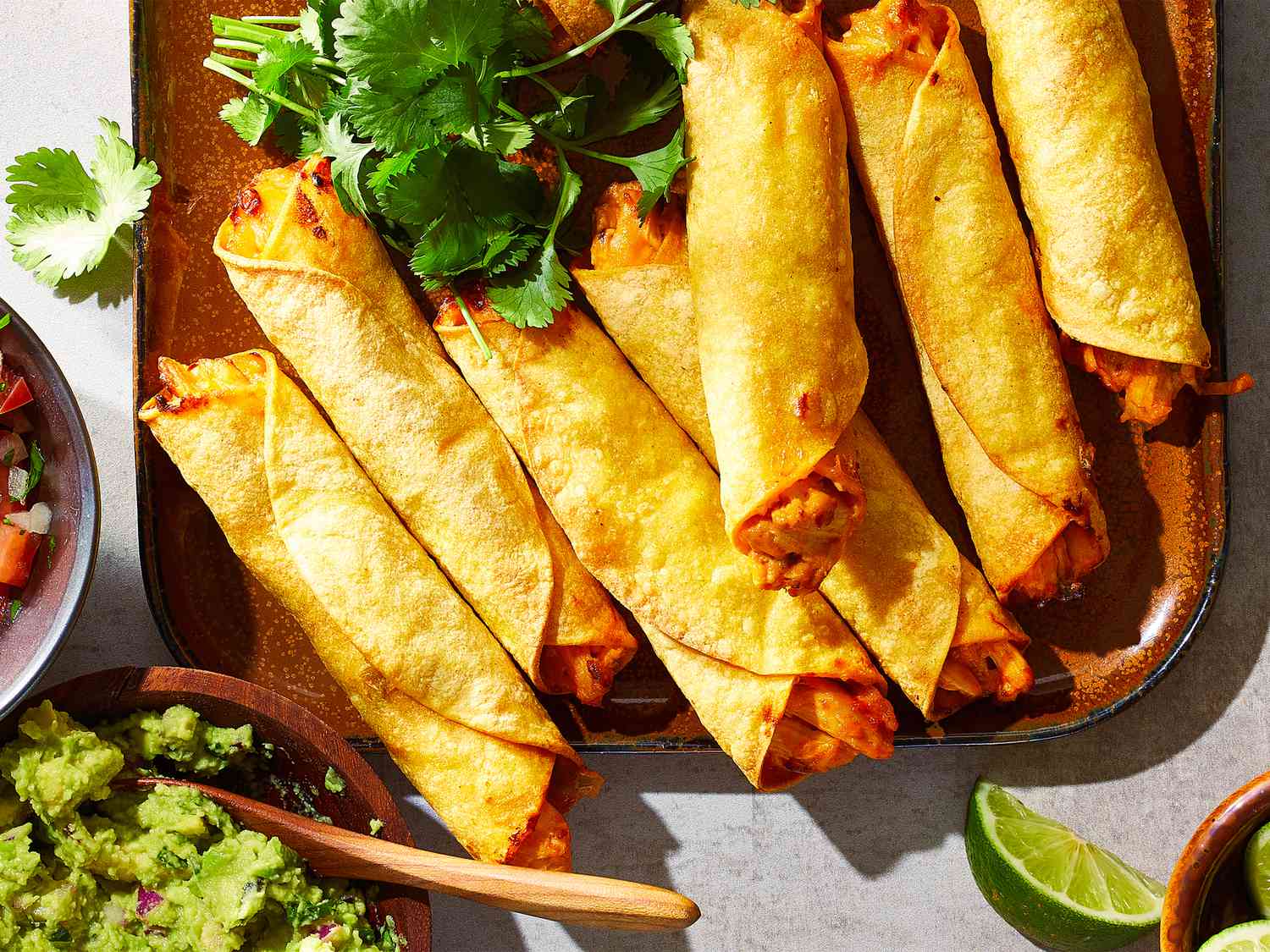
Mastering texture and moisture control
The air fryer’s rapid air circulation is a double-edged sword. It crisps surfaces quickly but can dry out the interior of dense foods or leave sauces watery if not managed. To prevent your kitchen upgrades from ending in disappointment, you need to understand how heat and moisture interact within the basket.
Preheat and dry surfaces
Moisture is the enemy of crispiness. If you are cooking vegetables or marinated proteins, pat them thoroughly dry with paper towels before adding oil or seasoning. A wet surface steams rather than roasts, leading to soggy results. Preheating the unit for three to five minutes ensures the food hits hot air immediately, sealing in juices and preventing sticking.
Avoid overcrowding the basket
Air needs space to circulate. If you pile food too high, the bottom layers steam in their own released moisture. Cook in batches if necessary. For items like chicken thighs or zucchini fries, a single layer with slight gaps between pieces ensures even browning and prevents the "mushy middle" common in overloaded air fryers.
Manage sauces and glazes
Sweet or thick sauces burn easily under intense radiant heat. Apply glazes like maple syrup or honey in the last two minutes of cooking. For wet marinades, toss the food in just before it finishes to avoid boiling the liquid into the basket. This preserves the integrity of the sauce and keeps the exterior crispy rather than sticky and burnt.
Pat proteins and vegetables dry. Lightly coat with oil to conduct heat. Season generously.

Run the air fryer empty at your target temperature for 3-5 minutes. This jump-starts the crisping process.
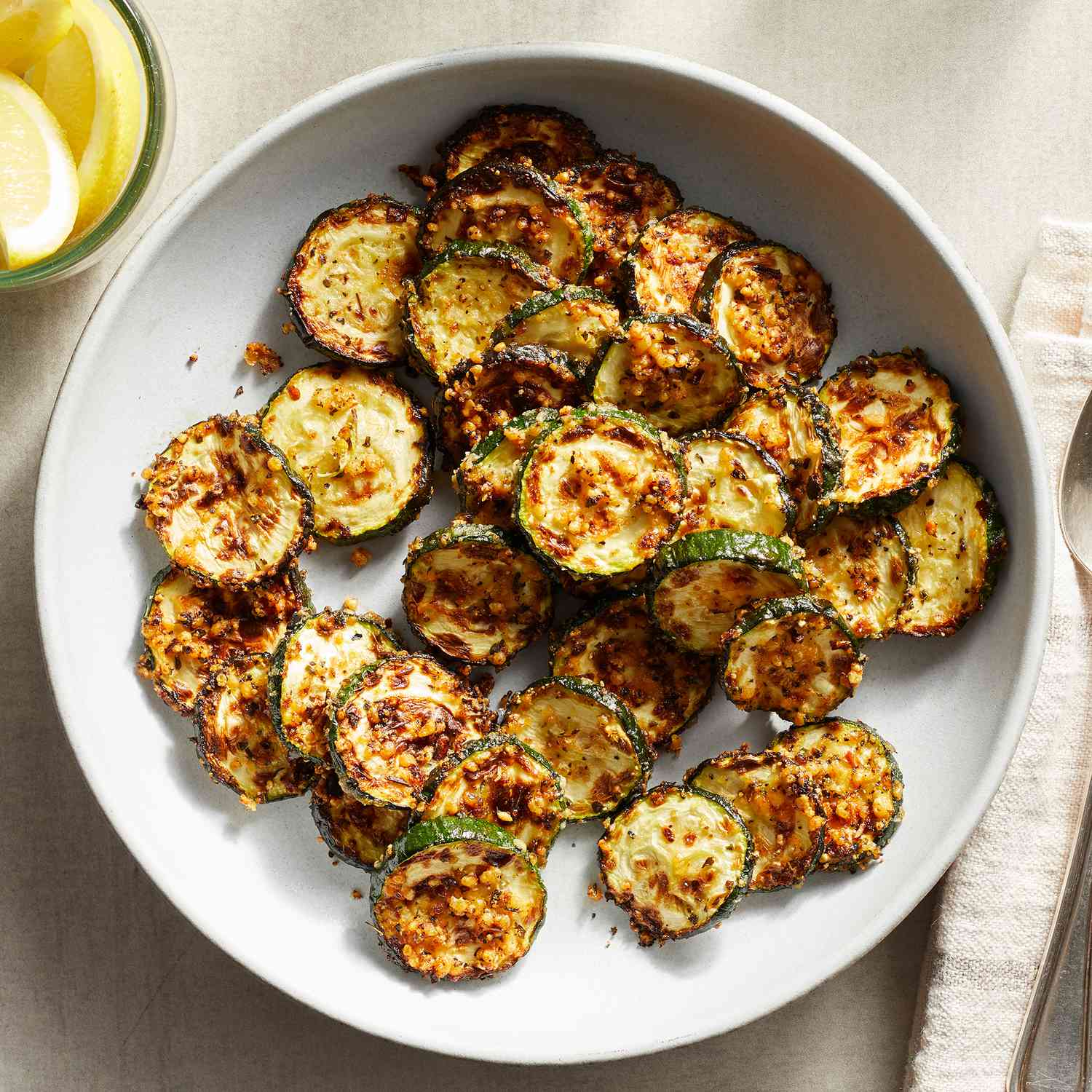
Leave space between items. Do not stack. Overcrowding traps steam and leads to uneven cooking.
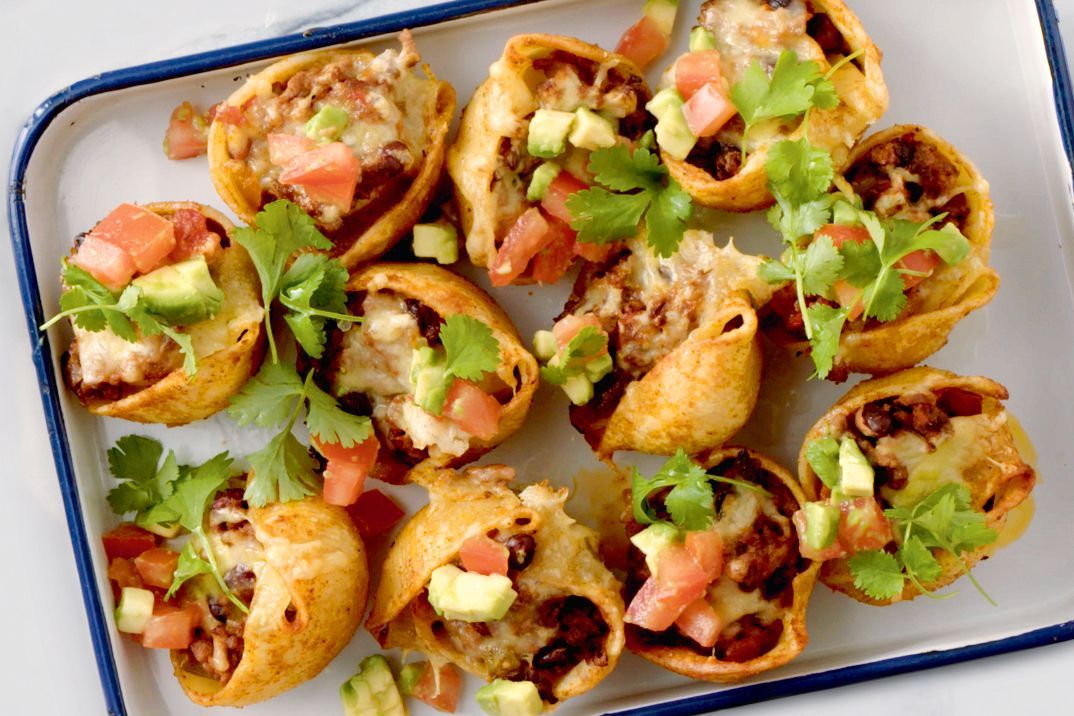
Midway through cooking, shake the basket or flip items. This ensures all sides get equal exposure to the heating element.
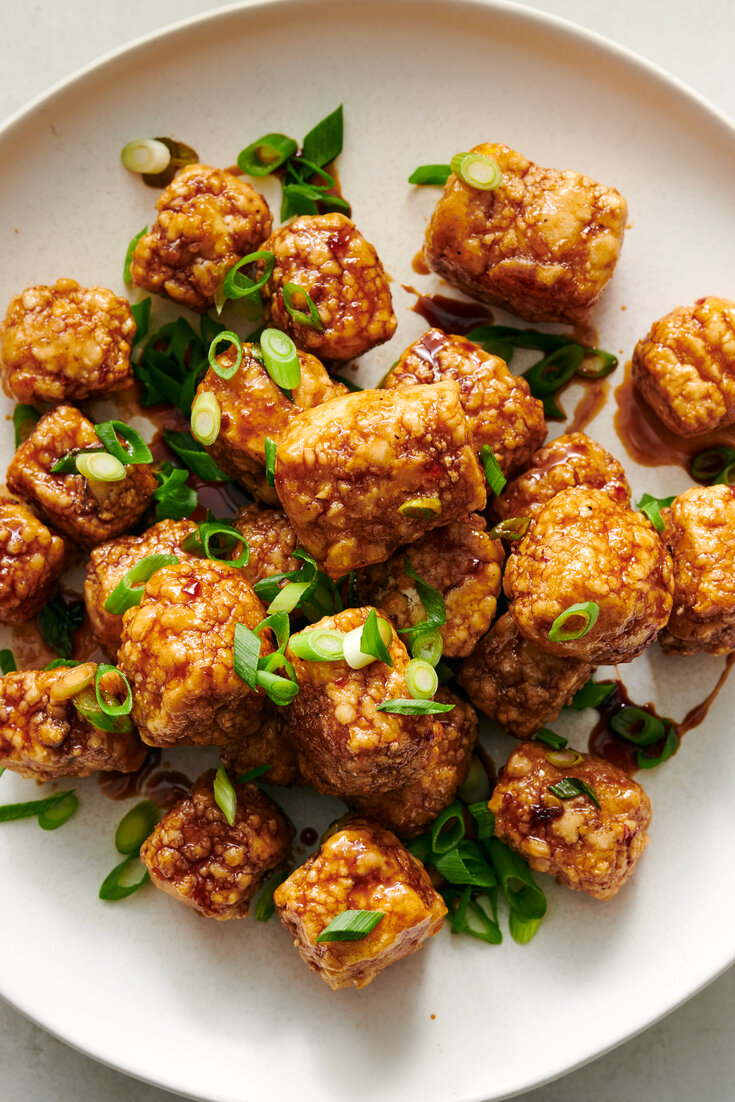
Apply sticky sauces in the last 2 minutes. This prevents burning and keeps the texture crisp.
Swaps that still work
Ingredient swaps can save a recipe when you run low on staples, but not every substitution holds up in an air fryer. The rapid air circulation creates a dry, high-heat environment that behaves differently than conventional oven baking or deep frying. A swap that works in a stew might turn into a soggy mess or burnt crust in the basket.
Focus on swaps that preserve structure and moisture balance. Below are the most reliable substitutions for common air fryer ingredients, comparing how they affect texture and cooking time.
Serve and store it
Air-fried foods shine best when they leave the basket immediately. The heat from the appliance keeps the exterior crisp, but as the food sits, steam from the interior migrates outward, softening that texture. Serve crisps, chicken, or fish right away for the best mouthfeel. If you are cooking in batches, keep finished items warm in a low oven (200°F / 95°C) rather than stacking them in a bowl, which traps moisture.
For leftovers, avoid the microwave. It turns crispy exteriors soggy and rubbery. Instead, reheat in the air fryer at 350°F (175°C) for 3–5 minutes. This revives the crunch without overcooking the inside. You can also use a toaster oven if you have multiple portions to warm.
Store cooled leftovers in a shallow, airtight container in the refrigerator for up to three days. Do not leave cooked food at room temperature for more than two hours. When reheating, check that the internal temperature reaches 165°F (74°C) for poultry and meats.
If you are prepping meals ahead, cook proteins and vegetables separately. Combine them just before reheating to maintain distinct textures. This simple step keeps your air-fryer meals tasting fresh rather than mushy.
Air fryer recipes: common: what to check next
Air fryers have become a staple in modern kitchens, but they come with unique quirks compared to traditional ovens. Understanding how to handle moisture, sizing, and cleaning can mean the difference between a soggy meal and a perfectly crispy one. Here are the most practical answers to the questions we hear most often.
No comments yet. Be the first to share your thoughts!