
How we tested stand mixers
We put every contender through a gauntlet of tasks designed to expose their limits. Our testing protocol focuses on three core areas: dough handling, noise levels, and ease of use. We didn't just check if they mixed; we checked if they survived.
Dough handling is the ultimate stress test. We mixed dense bread doughs to see which motors stalled and which bowls walked across the counter. A good stand mixer should knead without straining, keeping the bowl stable and the paddle engaged. If a mixer struggles with a standard batch of sourdough, it will likely fail under heavier loads.
Noise levels matter more than you might think. We recorded decibel levels during peak operation. A mixer that sounds like a jet engine isn't just annoying—it often indicates excessive vibration or poor gear alignment. We preferred models that hummed steadily rather than rattled or screamed.
Ease of use covers the entire user experience. How easy is it to change attachments? Is the bowl lock secure? Do the speed controls feel precise or jerky? We evaluated these factors by using the mixers for everyday tasks like whipping egg whites and folding flour. The best stand mixers should feel intuitive, not like a puzzle to solve.
Top stand mixer picks
Finding the right stand mixer comes down to how you bake. If you mostly whip up cookies and cakes, a standard tilt-head model is usually enough. But if your weekly routine involves heavy sourdough or bagel dough, you need a machine built to handle that torque without burning out.
We tested the latest models to separate the hype from the actual workhorses. Below are the stand mixers that earned our recommendation based on performance, durability, and value.
Best overall: KitchenAid Artisan Plus
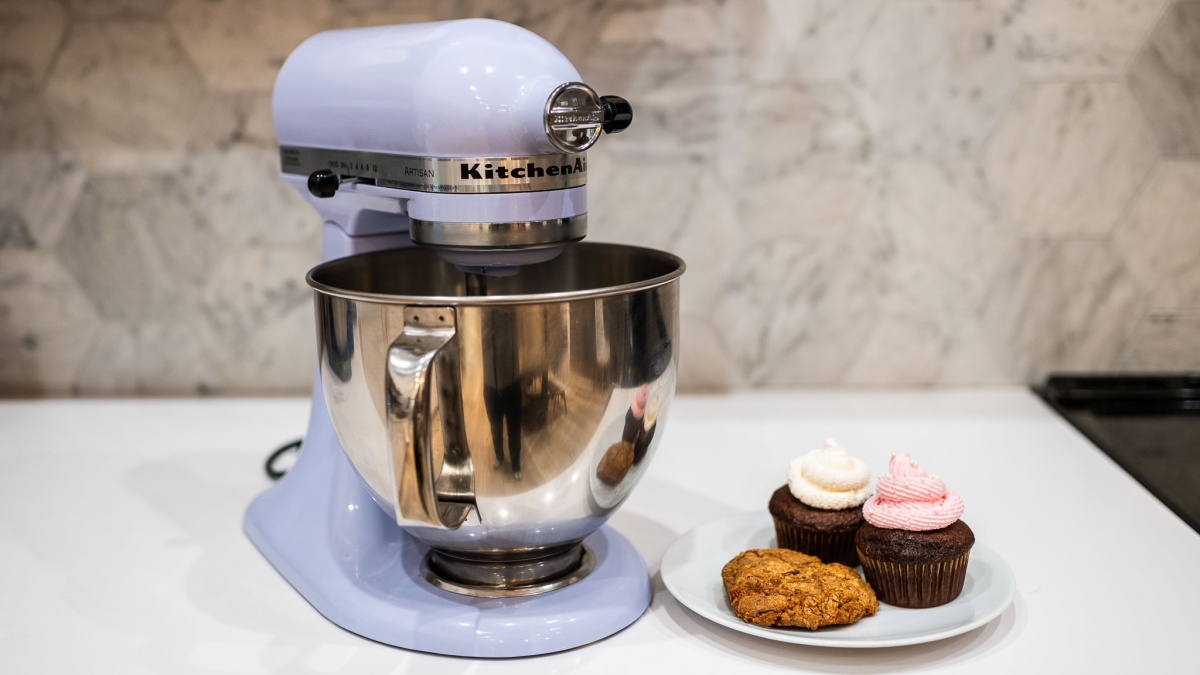
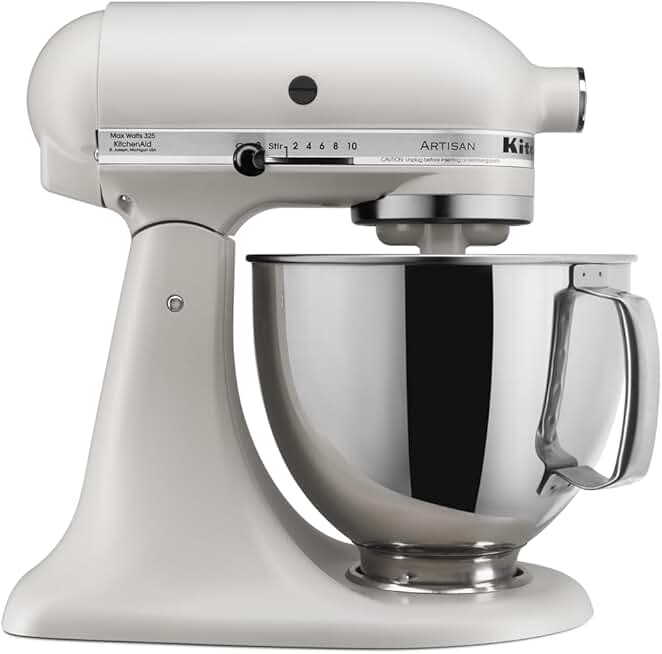
The KitchenAid Artisan Plus remains the gold standard for most home bakers. It offers a generous 5-quart capacity and a bowl-lift mechanism that provides better stability than the older tilt-head designs. The included planetary mixing action ensures ingredients are scraped and folded evenly, which is critical for consistent cake crumbs and bread structure.
It handles everything from stiff cookie dough to light meringues without straining. While it isn't the quietest machine on the market, its versatility and the wide availability of attachments make it the best all-around choice for anyone who wants one machine to do it all.
Best for bread: Bosch Universal Plus
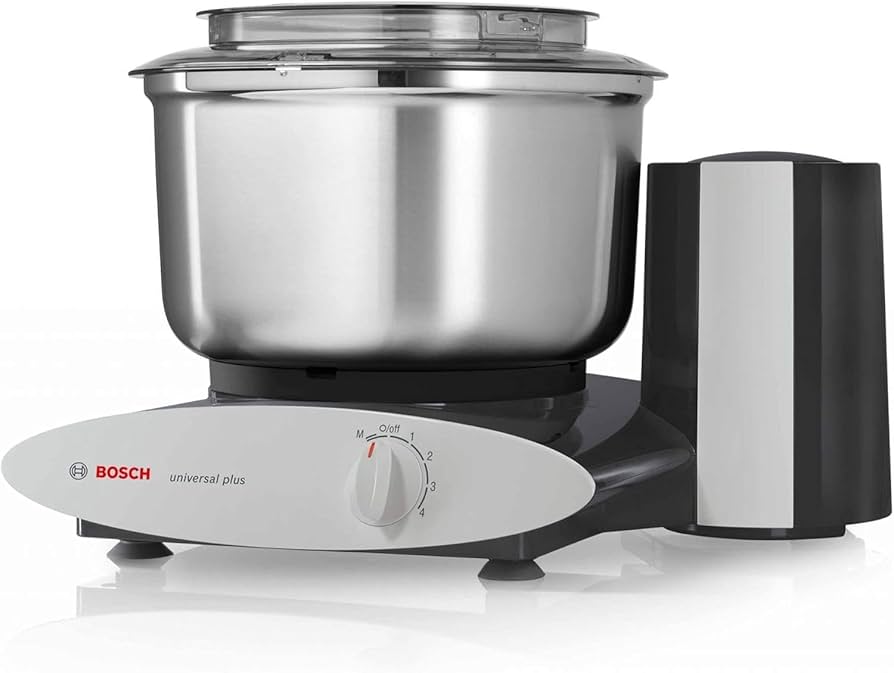
If you bake bread regularly, the Bosch Universal Plus is in a different league. Unlike KitchenAid, which uses a flat beater and hook, the Bosch uses a unique dough blade that rotates inside a deep bowl. This design mimics hand kneading and is incredibly efficient at developing gluten in heavy doughs.
We found it capable of mixing large batches of bagel or pizza dough without the motor overheating, a common failure point for other stand mixers. It’s not as visually sleek as the Artisan, but for serious bread bakers, its power and durability are unmatched.
Best budget pick: Beautiful by Drew Barrymore
The Beautiful by Drew Barrymore mixer proves you don't need to spend a fortune to get decent results. It’s a solid entry-level option that handles standard cake batters and cookie doughs with ease. The 4.5-quart bowl is sufficient for most small families or occasional bakers.
While it lacks the premium metal feel of higher-end models, its plastic construction keeps the weight manageable and the price accessible. It’s a great starter mixer for those who want to try baking without committing to a high-end appliance.
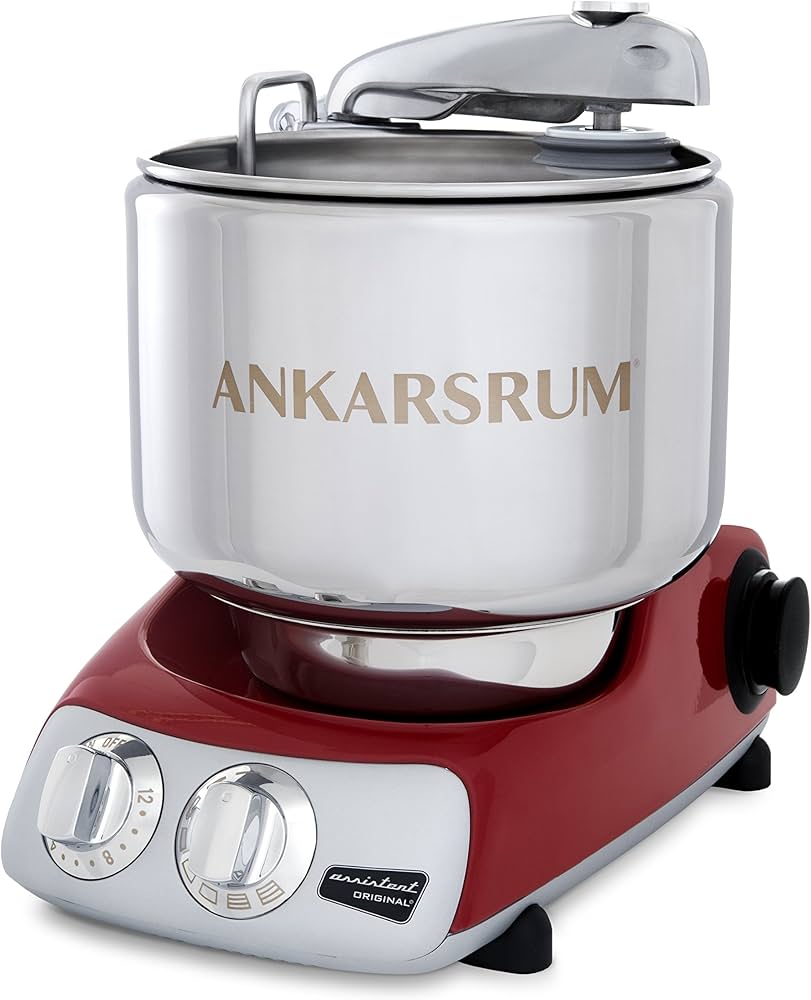
Best for large batches: Ankarsrum Original
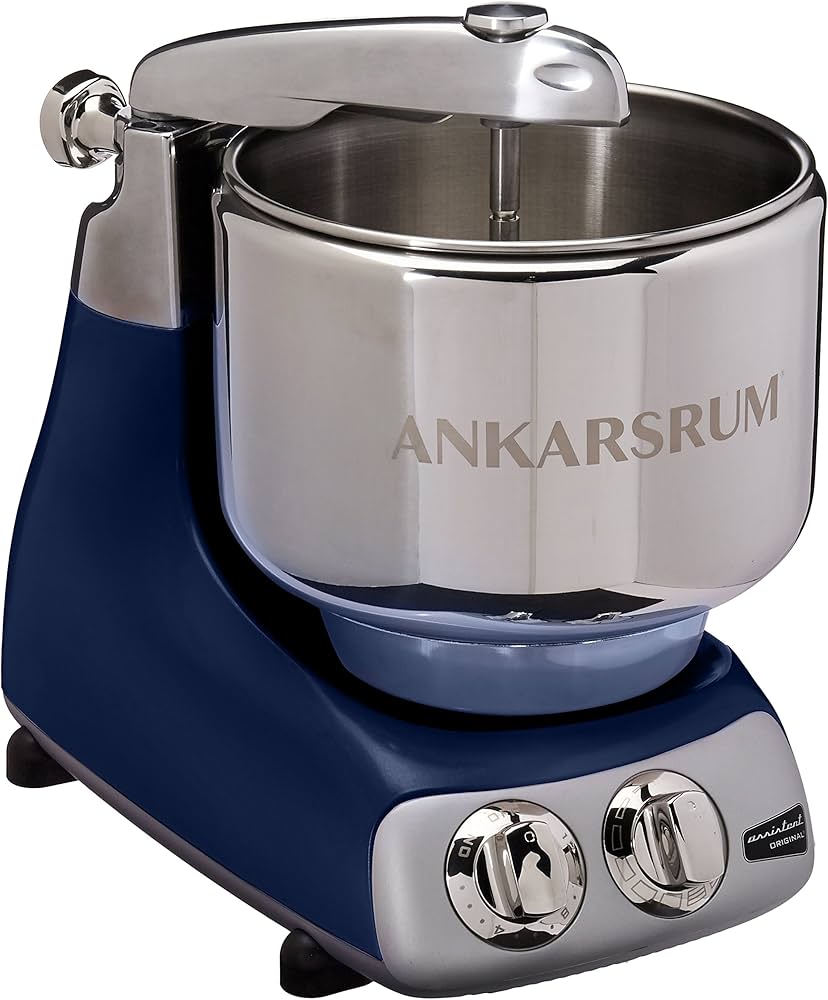
The Ankarsrum Original is a Swedish workhorse designed for serious baking enthusiasts. It uses a rotating bowl and a stationary roller-scraper system, which allows it to handle massive quantities of dough with ease. This is the go-to choice for those who bake large loaves of sourdough or frequent bulk bread baking.
It’s a significant investment and takes some time to learn, but the results are consistent and the machine is built to last decades. If you bake for a crowd or run a small home bakery, this is the machine that will keep up with your demands.


As an Amazon Associate, we may earn from qualifying purchases.
KitchenAid vs Bosch vs Ankarsrum
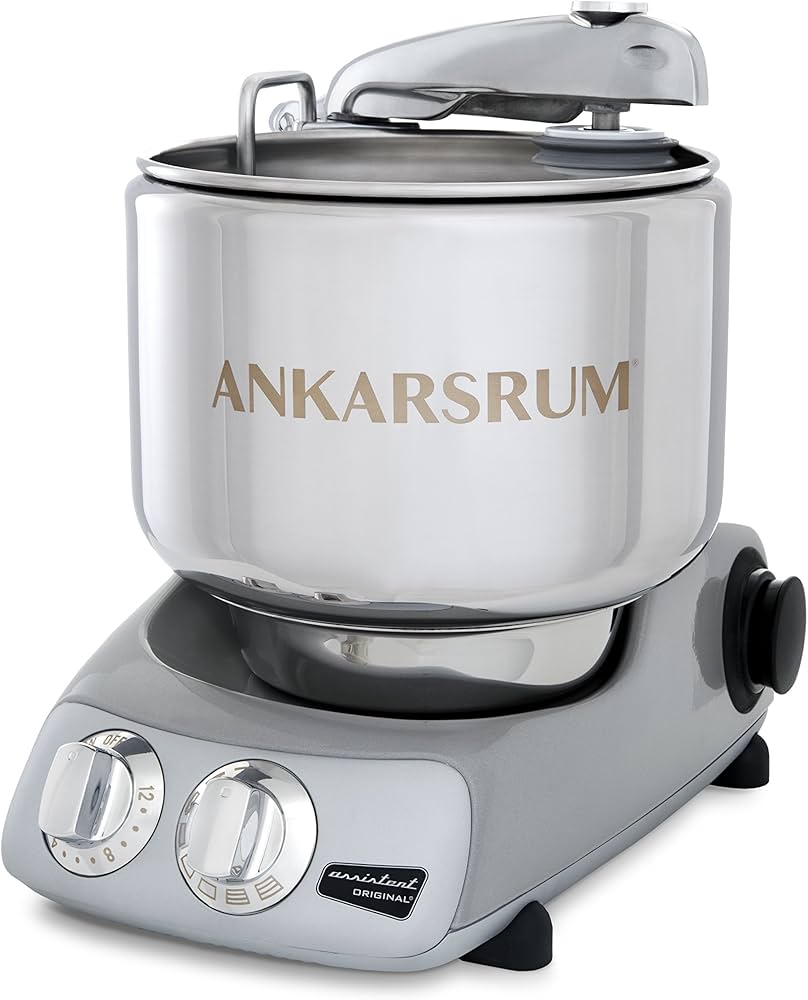
Choosing a stand mixer often comes down to which engineering approach matches your baking habits. The three dominant brands—KitchenAid, Bosch, and Ankarsrum—use fundamentally different drive mechanisms. KitchenAid relies on a planetary gear system, Bosch uses a bottom-drive with a unique dough hook, and Ankarsrum employs a ring-bowl design. Understanding these differences helps you avoid buying a machine that fights you during heavy dough mixing.
The Planetary Approach: KitchenAid
KitchenAid’s planetary action rotates the beater around the bowl while it spins on its own axis. This design excels at incorporating air into light batters and mixing cookie dough or cake batter efficiently. It is the standard for general-purpose baking because of its vast accessory ecosystem and compact footprint. However, the direct-drive motor can strain or overheat when pushing stiff bread doughs, making it less ideal for daily artisan bread bakers.
The Bottom-Drive Workhorse: Bosch
Bosch mixers use a powerful motor located at the base, pushing a U-shaped dough hook up into the bowl. This configuration provides immense torque without the risk of tipping, even with heavy loads. Independent testing notes that the Bosch Universal is often the fastest mixer for bread dough, handling bagel and pizza dough with ease. It is a utilitarian tool built for durability rather than aesthetics, lacking the sleek finish of its competitors but offering unmatched power for heavy kneading.
The Ring-Bowl Specialist: Ankarsrum
The Ankarsrum Original uses a stationary ring bowl with a rotating roller and a stationary dough hook. This gentle action mimics hand-kneading, making it exceptionally gentle on gluten structures. It is the preferred choice for sourdough enthusiasts and those who bake large batches of bread frequently. While it has a learning curve and a distinct look, its ability to mix large volumes of stiff dough without straining the motor is unrivaled.
Comparison Table
| Brand | Drive Mechanism | Bowl Capacity | Best For |
|---|---|---|---|
| KitchenAid | Planetary Gear | 4.5–8 quarts | Cakes, cookies, light batters |
| Bosch | Bottom-Drive | 6.5–8 quarts | Heavy bread, bagel dough |
| Ankarsrum | Ring-Bowl | 7 quarts | Sourdough, large batches |
Which One Should You Buy?
If you bake mostly cakes, cookies, and occasional quick breads, the KitchenAid remains the most versatile and recognizable option. Its accessory compatibility makes it a kitchen hub for many home bakers. However, if your primary goal is baking bread daily or in large batches, the Bosch or Ankarsrum is a more serious investment. The Bosch offers faster mixing and higher torque in a compact unit, while the Ankarsrum provides a gentler, more traditional kneading experience for complex doughs.


As an Amazon Associate, we may earn from qualifying purchases.
What to Look for in a Stand Mixer
Buying a stand mixer is a long-term commitment. You aren't just buying a kitchen gadget; you are buying the engine for your entire baking routine. To make the right choice, focus on three concrete factors: capacity, attachment compatibility, and raw power. These criteria separate the workhorse appliances that last decades from the decorative counters that quit after a few holiday seasons.
Bowl capacity dictates how many cookies or loaves you can handle at once. For most families, a 5-quart bowl is the sweet spot. It handles two loaves of bread or a dozen cookies without struggling. If you bake in bulk or host large gatherings, step up to a 6-quart or 7-liter model. Larger bowls are heavier and take up more counter space, so only choose them if you actually need the volume.
The rear attachment hub is where the mixer earns its keep. It allows you to swap in pasta makers, meat grinders, and vegetable slicers. Not all hubs are created equal. KitchenAid offers the widest ecosystem of third-party attachments, but Bosch and Ankarsrum have their own specialized tools. Before you buy, decide if you actually plan to use attachments or if you just want a mixer that mixes.
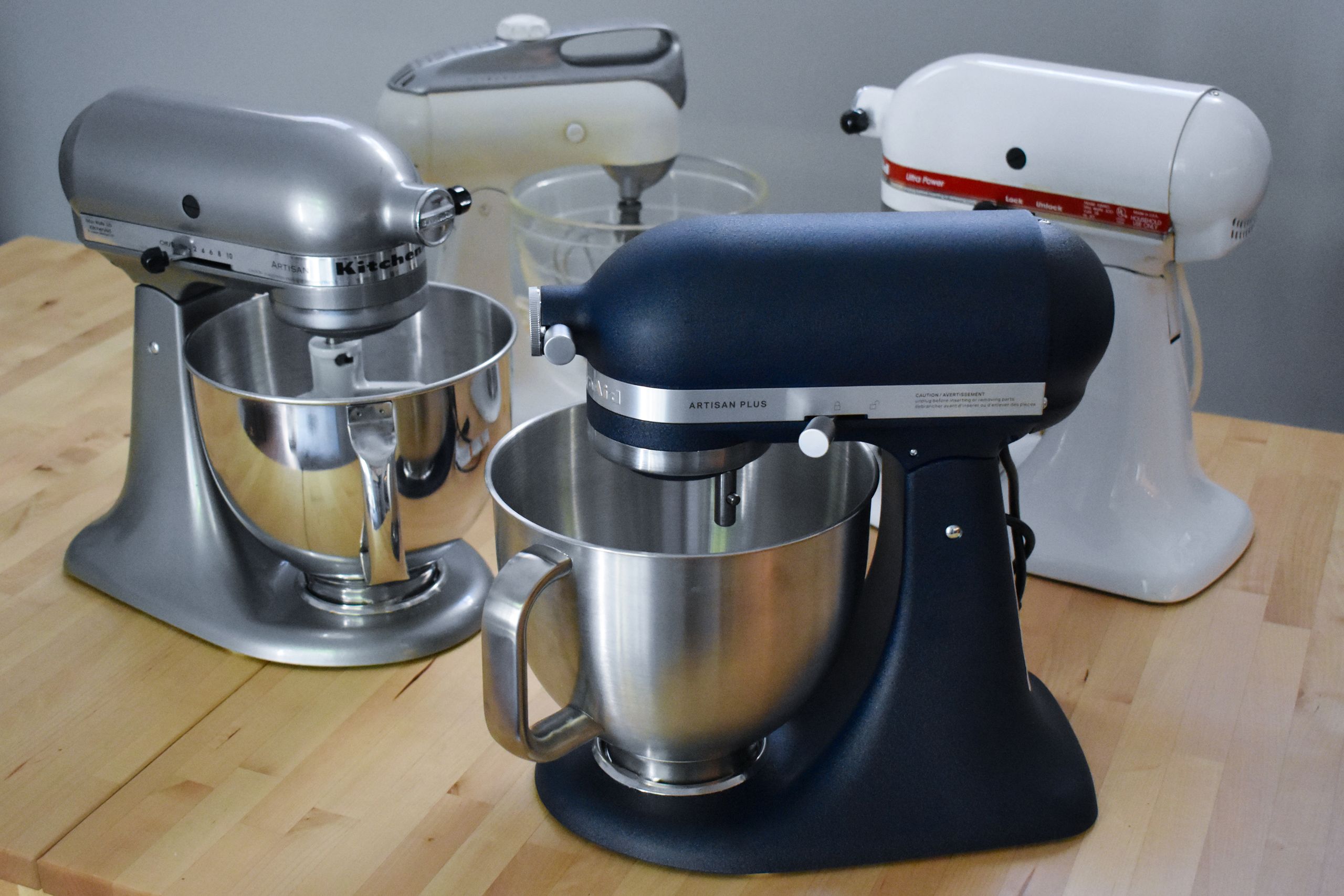
Wattage numbers on the box can be misleading. What matters is how the motor handles heavy dough. Bosch mixers often outperform higher-wattage competitors when mixing dense bread because of their unique planetary drive system. If you make bagels or stiff cookie dough frequently, look for reviews that specifically mention dough handling. A mixer that stalls or overheats is useless, regardless of its advertised horsepower.
As an Amazon Associate, we may earn from qualifying purchases.
Common stand mixer: what to check next
We get asked the same maintenance and versatility questions every time we test a new batch of mixers. Here is the straightforward truth about keeping your machine running, what the attachments can actually do, and whether a stand mixer is worth the counter space for your specific baking needs.
Can I make bread dough in a stand mixer?
Yes, but not all mixers handle heavy dough equally. While the KitchenAid Artisan Plus is an excellent all-rounder for most home baking, it can struggle with very stiff bagel or pizza doughs. If you bake dense breads regularly, the Bosch Universal or Ankarsrum are better choices. Their powerful motors and unique mixing mechanisms knead heavy dough without straining the gears or overheating the motor, making them true workhorses for daily bread production.
Are attachments universal across brands?
No, attachments are generally not interchangeable between major brands. KitchenAid attachments only fit KitchenAid tilt-head or bowl-lift models. Bosch and Ankarsrum use their own proprietary hubs and tools. If you plan to expand your toolkit with pasta rollers or food grinders, stick to the same ecosystem. KitchenAid has the widest selection of third-party add-ons, but you cannot swap a Bosch dough hook onto a KitchenAid stand.
How do I clean a stand mixer properly?
Most mixer bowls and attachments are dishwasher safe, but the motor head should never be submerged. Wipe the exterior with a damp cloth and mild soap. For the KitchenAid Artisan Plus and similar models, the flat beater and dough hook often have hard-to-reach crevices where flour and grease hide; use a small brush or pipe cleaner to keep the mechanisms free of debris. Regular cleaning prevents rancid oil buildup and ensures your mixer lasts for decades.
No comments yet. Be the first to share your thoughts!