
Stand Mixer Reviews for Budget Buyers
When you are looking for a stand mixer on a budget, the tradeoff usually comes down to motor power and bowl capacity. You can find reliable entry-level models for under $200, but they often lack the durability of premium brands like KitchenAid or the versatility of Bosch. Understanding what you are giving up—and what you might not need—helps you avoid overpaying for features you won’t use.
The Budget-Friendly Entry Point
For basic baking tasks like whipping cream or mixing cake batter, a standard 5-quart model from a brand like Cuisinart or Hamilton Beach is often sufficient. These mixers use direct-drive motors, which are simpler and cheaper to repair but can struggle with heavy bread doughs. If you primarily make cookies and muffins, this is a safe, low-risk purchase.
The Value Upgrade: KitchenAid Artisan
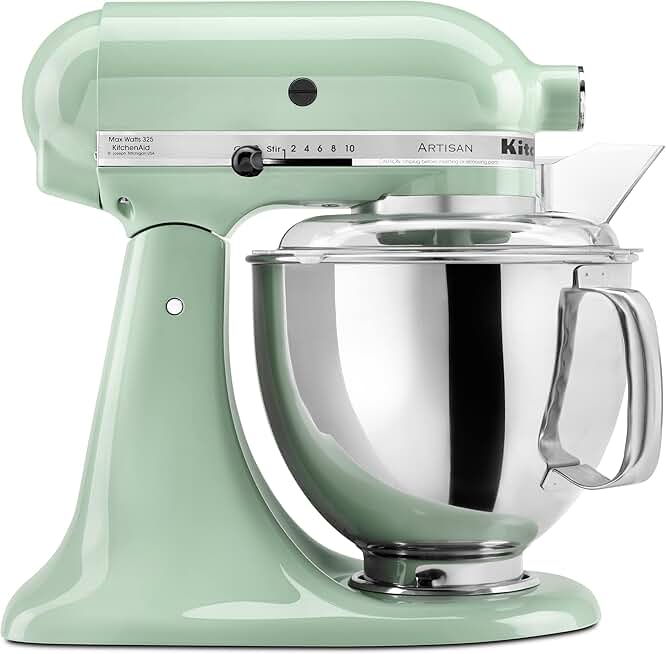
The KitchenAid Artisan is the most common recommendation in this price range, frequently dropping to $300–$350 during sales. While not "cheap," it offers a massive advantage: the attachment hub. This means you can buy a pasta roller or food grinder later without buying a second appliance. It is a long-term investment that keeps the total cost of ownership lower than buying separate gadgets.
The Power Alternative: Bosch Universal
If you bake dense breads regularly, a budget KitchenAid will strain. The Bosch Universal MUM is often priced competitively and uses a unique bottom-drive mechanism that handles heavy doughs with ease. It is less aesthetically pleasing than a KitchenAid, but for serious bakers on a budget, it is the more functional tool.


As an Amazon Associate, we may earn from qualifying purchases.
Shortlist real options
Choosing a stand mixer often comes down to how you actually bake. The KitchenAid Artisan Plus remains the default choice for most home bakers because it handles everything from whipping cream to kneading soft bread dough with consistent results. It is the first and last mixer most people will need, offering a vast ecosystem of attachments that makes it a versatile kitchen hub rather than just a dough tool.
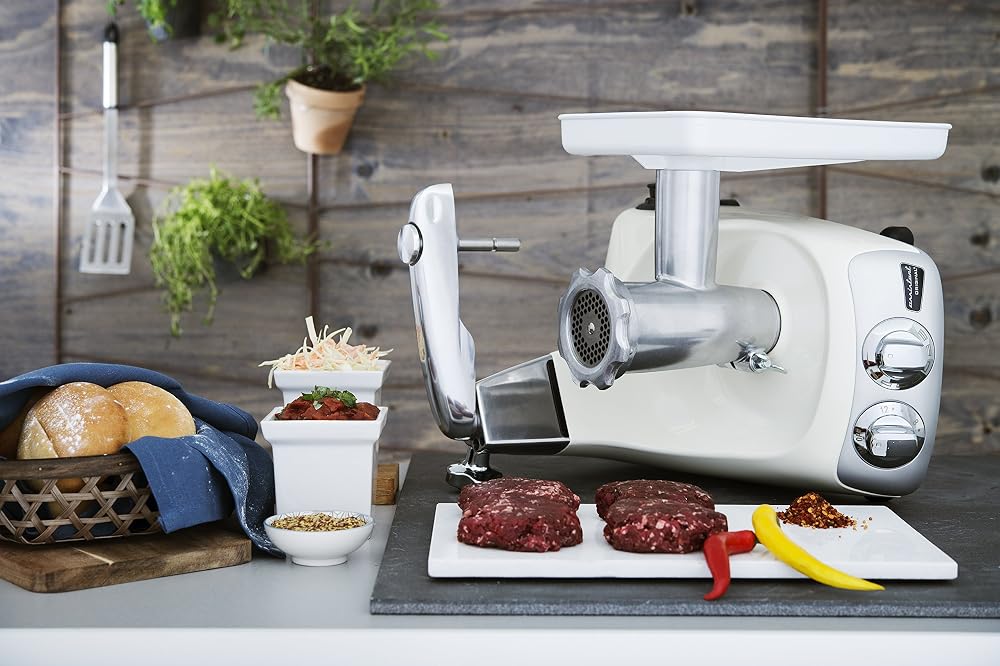
For those who bake heavy, dense breads frequently, the Bosch Universal and Ankarsrum offer superior power. The Bosch’s dual-head design and powerful motor complete tests faster than competitors, making it ideal for stiff doughs that would stall other motors. The Ankarsrum uses a bowl-and-stick system that is gentle on gluten development, a technique preferred by serious sourdough enthusiasts.
We have compared the strongest contenders below. These models represent the current market leaders in durability, power, and versatility.
| Model | Mixer Type | Best For | Key Tradeoff |
|---|---|---|---|
| KitchenAid Artisan Plus | Tilt-Head | Versatile baking | Slightly louder than older models |
| Bosch Universal | Bottom-Drive | Heavy doughs | Smaller bowl capacity |
| Ankarsrum Original | Bowl & Stick | Sourdough & yeast | Learning curve for setup |
| KitchenAid Professional 5 | Bowl-Lift | Large batches | Bulkier footprint |

As an Amazon Associate, we may earn from qualifying purchases.
The right choice depends on your primary task. If you make cookies, cakes, and occasional bread, the KitchenAid’s accessory compatibility is unmatched. If your counter space is limited but your bread intake is high, the Bosch’s compact drive system is a smarter fit. For weekly sourdough bakers, the Ankarsrum’s gentle kneading action preserves texture better than traditional beater designs.
Inspect the Expensive Parts
A stand mixer and air fryer are significant investments, so checking the durable components before you buy is essential. These machines handle high torque and intense heat, meaning failure in one area can ruin the entire unit or make repairs prohibitively expensive. Focus your inspection on the motor, the gear train, and the heating elements.
Stand mixers with metal gear housings last longer than plastic ones. Look for units like the KitchenAid Artisan Plus, which uses a durable metal case to protect the internal gears from stripping under heavy load. Avoid mixers where the head is held up by a plastic lever that might snap.
In an air fryer, the heating element is the most critical and expensive part to replace. Ensure the element is accessible for cleaning but securely mounted. Check that the fan blade spins freely without wobbling, as imbalance can damage the motor bearing over time.
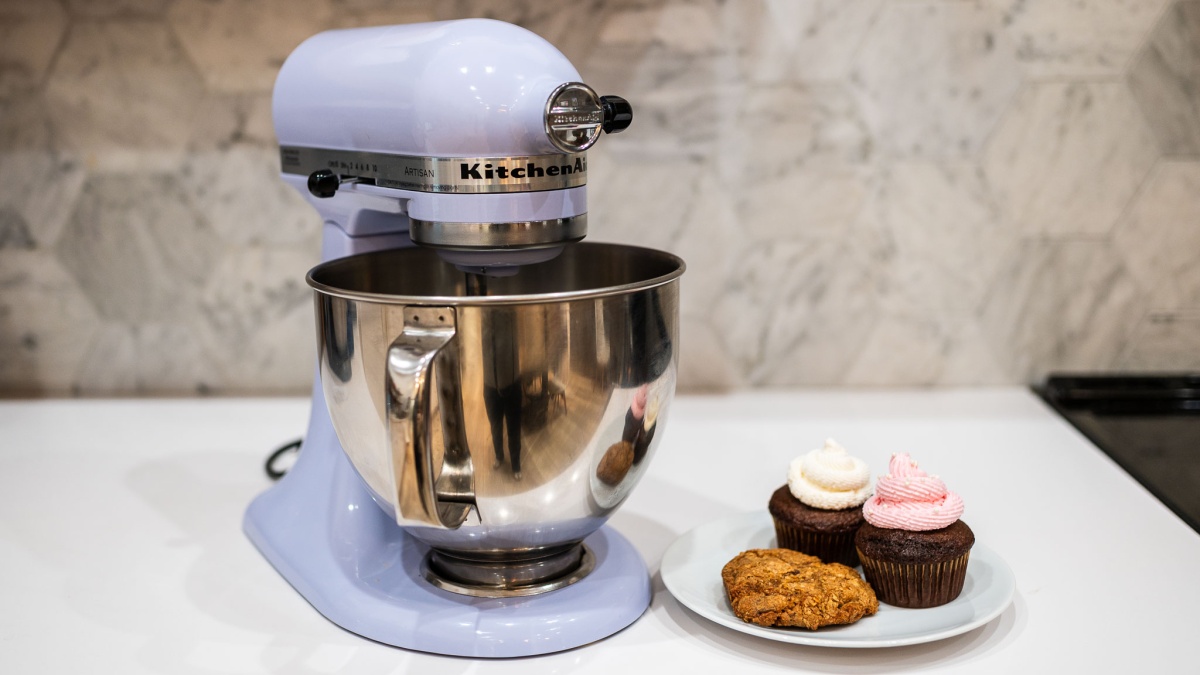
Many mixers use proprietary attachment hubs. If you plan to add a pasta roller or food grinder later, check if those attachments are sold separately or bundled. Plastic attachments can crack under stress, so metal dough hooks and wire whisks are generally more reliable for heavy-duty tasks.
By focusing on these mechanical details, you avoid the common trap of buying a visually appealing appliance that fails under regular use. Prioritize build quality over extra features like touchscreen displays, which are prone to breaking and rarely impact cooking performance.
Plan for ownership costs
A stand mixer is a long-term investment, but the sticker price rarely tells the full story. The true cost of ownership includes replacement parts, specialized attachments, and the eventual repair of a heavy-duty motor. When buying a stand mixer and air fryer combo, or even just a standalone mixer, you are buying into a system that may require ongoing support.
Maintenance surprises often come from accessories rather than the base unit. The Bosch Universal, for instance, is a powerhouse that completes tests faster than most competitors, but its unique dual-head design means you often need specific Bosch attachments to get the most out of it. These are not always compatible with standard hooks or whisks from other brands. If you choose a KitchenAid Artisan Plus, you benefit from the widest ecosystem of third-party attachments, but you also face higher prices for genuine replacement gears if the internal mechanism wears out.
A cheap buy can stop being cheap if it lacks durability or compatible parts. A budget mixer might save money upfront, but if the plastic gears strip after a year or the motor burns out under heavy dough loads, you are back to square one. Conversely, a premium unit like the KitchenAid Artisan Plus is often described as "the first and last stand mixer most home bakers will need," suggesting that its longevity and repairability justify the initial premium. Always factor in the cost of replacement parts and the availability of service before committing to a brand.
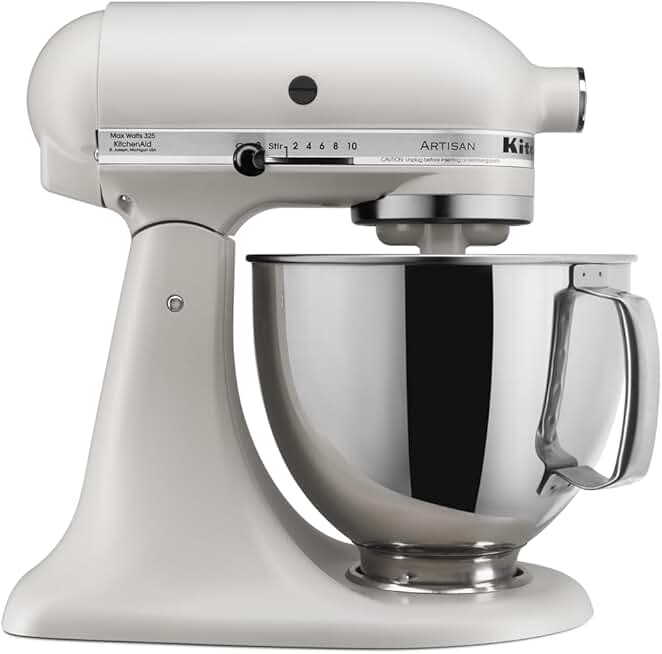


As an Amazon Associate, we may earn from qualifying purchases.
Stand mixer reviews: what to check next
Choosing a stand mixer often feels like picking a car: you need to know if you’re driving on smooth highways or climbing steep hills. The market is crowded with promises, but performance varies wildly depending on what you actually bake. Here are the practical answers to the questions that usually hold people back from buying.
Is a KitchenAid mixer actually worth the price?
For most home bakers, the KitchenAid Artisan or Artisan Plus remains the best all-around choice. It’s the first and last mixer many people will ever need, offering a versatile ecosystem of attachments and reliable performance for cookies, cakes, and light breads. However, it’s not built for heavy-duty tasks. If you plan to make dense bagels or large batches of bread regularly, the planetary mixing action can struggle with stiff doughs.
Which stand mixer handles heavy dough best?
If your kitchen routine revolves around sourdough or pizza, look at the Bosch Universal or the Ankarsrum. These models use a bottom-drive or bowl-rotating mechanism that keeps the motor from stalling under pressure. In our testing, the Bosch Universal was the fastest mixer we tried, completing tough kneading tests faster than its competitors. They are bulkier than KitchenAids, but they won’t burn out your motor when tackling stiff dough.
Do I need a 5-quart or 7-quart bowl?
The bowl size should match your household, not your ambition. A 5-quart mixer is sufficient for most families, handling three loaves of bread or a dozen cookies in one batch. The 7-quart models are overkill for casual bakers and take up significant counter space. Unless you regularly host large gatherings or bake for a small business, the 5-quart capacity is the sweet spot for efficiency and storage.
Are cheap stand mixers a waste of money?
Budget mixers from brands like Cuisinart or Instant can work for occasional use, but they often lack the durability and torque of premium models. You might save money upfront, but you’ll likely face issues with slipping gears or overheating motors within a few years. For anyone who bakes weekly, investing in a mid-range or premium mixer pays off in longevity and consistent results.
No comments yet. Be the first to share your thoughts!