
How we tested stand mixers
We evaluated 17 stand mixers to determine which models truly deliver on performance, durability, and versatility. Our testing protocol focused on three core capabilities: kneading heavy dough, whipping egg whites, and mixing dense batters. We prioritized torque and speed control because a mixer that stalls or splatters fails at the most basic kitchen tasks.
Each model was put through standardized batches. We tested bread dough with high-hydration flours to check motor strain and bowl stability. We whipped egg whites to stiff peaks to evaluate aeration and noise levels. We also mixed thick cookie doughs to assess gear durability and attachment compatibility. This rigorous approach ensures our stand mixer reviews reflect real-world baking demands, not just showroom specs.
Our lab testing mirrors what home bakers face daily. We looked for consistent mixing patterns without manual scraping, quiet operation during long kneads, and sturdy construction that doesn't walk across the counter. By comparing these metrics side-by-side, we identified the top performers in every category, from heavy-duty Bosch models for artisan bread to versatile KitchenAid units for all-purpose baking.
Top stand mixer picks
We tested dozens of models to identify the best stand mixer for your specific baking needs. While all four options below handle basic mixing tasks, their motor designs and bowl mechanisms create distinct advantages for different types of recipes. The KitchenAid Artisan Plus leads for general versatility, the Bosch Universal dominates heavy dough work, the Ankarsrum offers unmatched capacity for large batches, and the Cuisinart provides the best entry-level value.
Best Overall: KitchenAid Artisan Plus
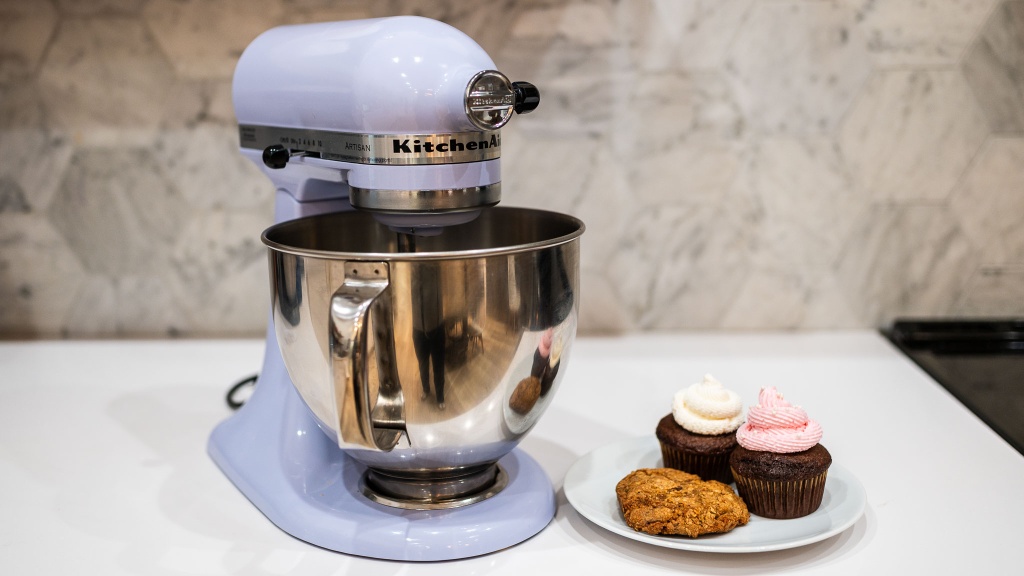
The KitchenAid Artisan Plus is the most balanced choice for home bakers who make a wide variety of foods. Its planetary mixing action ensures thorough incorporation of ingredients, making it ideal for everything from light meringues to stiff cookie dough. The newer Plus model adds a pour spout and a second speed, addressing previous complaints about control precision. It is not as powerful as the Bosch for bread, but its attachment ecosystem makes it the most versatile tool in the kitchen.
Best for Bread: Bosch Universal
For serious bread bakers, the Bosch Universal is the clear winner. Unlike KitchenAid’s planetary design, the Bosch uses a single hook that rotates within a stationary bowl, providing superior torque for dense, high-hydration doughs. It kneads faster and cooler than its competitors, preventing the friction heat that can ruin yeast activity during long rises. If your primary goal is artisan bread, bagels, or pizza dough, this is the only mixer that won’t struggle under the load.
Best for Large Batches: Ankarsrum Original
The Ankarsrum Original stands apart with its unique dual-action system: a rotating bowl and a stationary roller that pushes dough against a hook. This design allows it to handle massive quantities of dough without straining the motor. It is the best stand mixer for families who bake weekly or for those who produce large volumes of pasta and bread. The learning curve is steeper than a KitchenAid, but the consistency and capacity are unmatched for high-volume baking.
Best Value: Cuisinart Precision Master
The Cuisinart Precision Master delivers reliable performance at a significantly lower price point than the premium brands. It features a 500-watt motor and a 5.5-quart stainless steel bowl, which is sufficient for most standard cake, cookie, and muffin recipes. While it lacks the metal construction and attachment compatibility of the KitchenAid, it performs adequately for occasional bakers who do not regularly tackle heavy doughs. It is the best budget stand mixer for those who want reliability without the premium price tag.
Comparison: Key specs for top picks
| Model | Motor Power | Bowl Capacity | Weight |
|---|---|---|---|
| KitchenAid Artisan Plus | 325W | 5.0 qt | 22 lbs |
| Bosch Universal | 800W | 6.5 qt | 14 lbs |
| Ankarsrum Original | 600W | 7.3 qt | 20 lbs |
| Cuisinart Precision Master | 500W | 5.5 qt | 17 lbs |
KitchenAid vs Bosch: Which Stand Mixer Review Points to Your Kitchen
The choice between a KitchenAid and a Bosch often comes down to a fundamental mechanical difference: planetary mixing versus spiral mixing. This distinction dictates not just how the mixer looks, but how it handles the heavy lifting that defines bread baking. Understanding the mechanics behind these two brands helps clarify why one might be the superior stand mixer reviews choice for your specific needs.
KitchenAid mixers use a beater that rotates on its own axis while orbiting the bowl. This planetary action is excellent for aeration and light mixing. It shines when whipping egg whites, creaming butter for cookies, or folding delicate batters. The motion is gentle and predictable, making it the default choice for general-purpose baking tasks that don’t involve dense doughs.
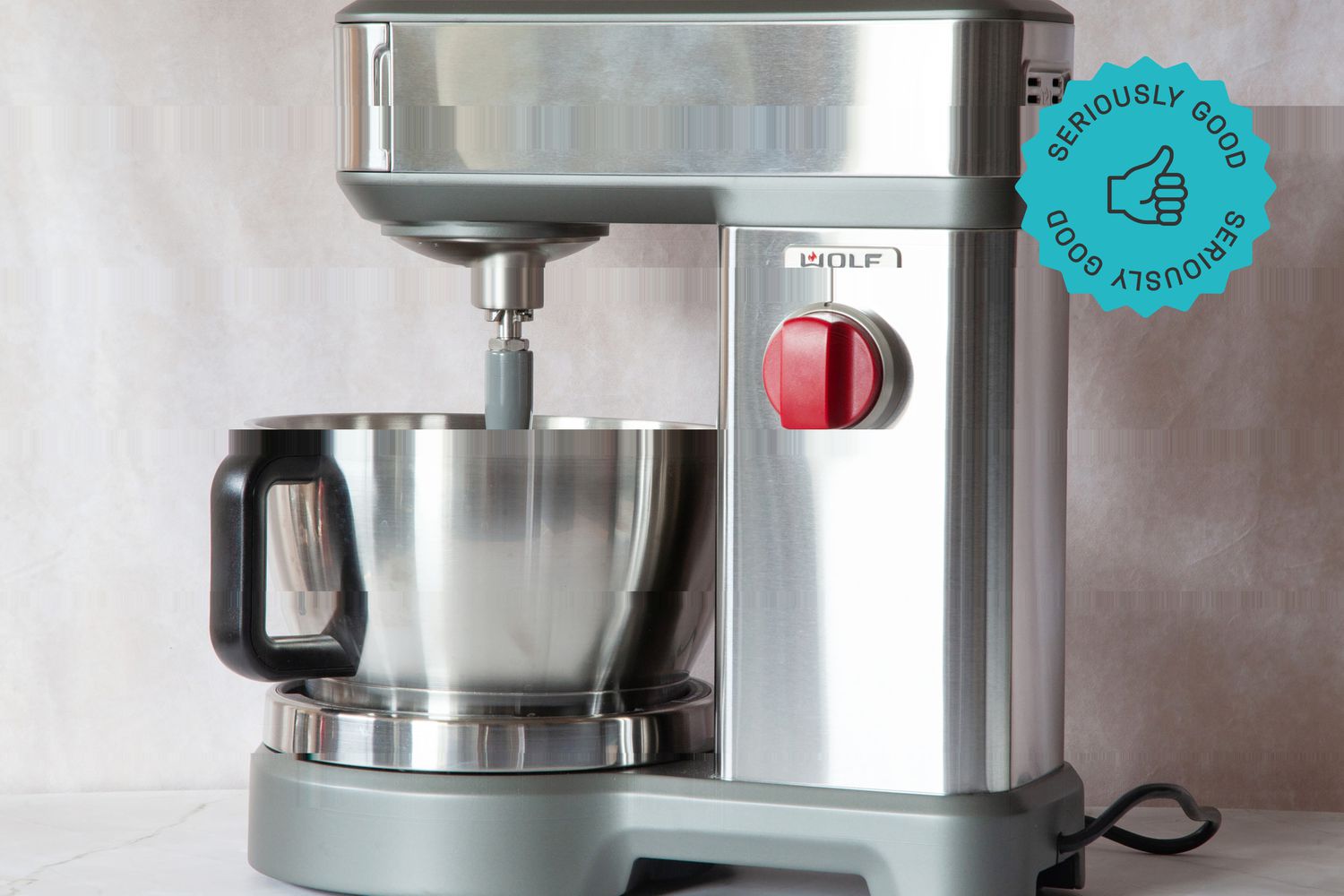
Bosch mixers utilize a dual-head system where a dough hook and a beater rotate in opposite directions within a large, stationary bowl. This spiral action mimics hand kneading with significant force. It is engineered to handle heavy loads, such as stiff bread doughs, without straining the motor. The design allows for more dough volume in a smaller footprint compared to traditional bowl-lift models.
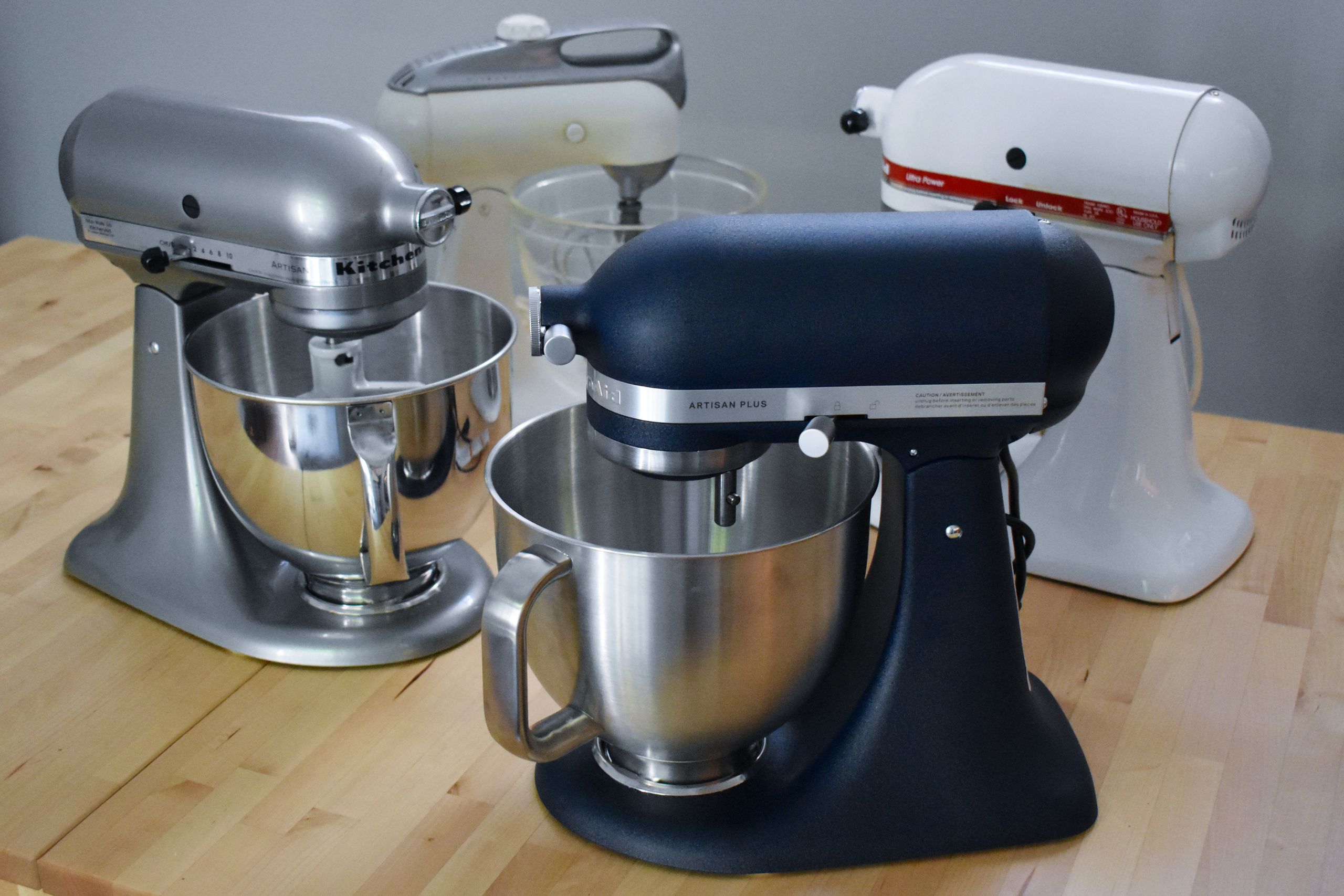
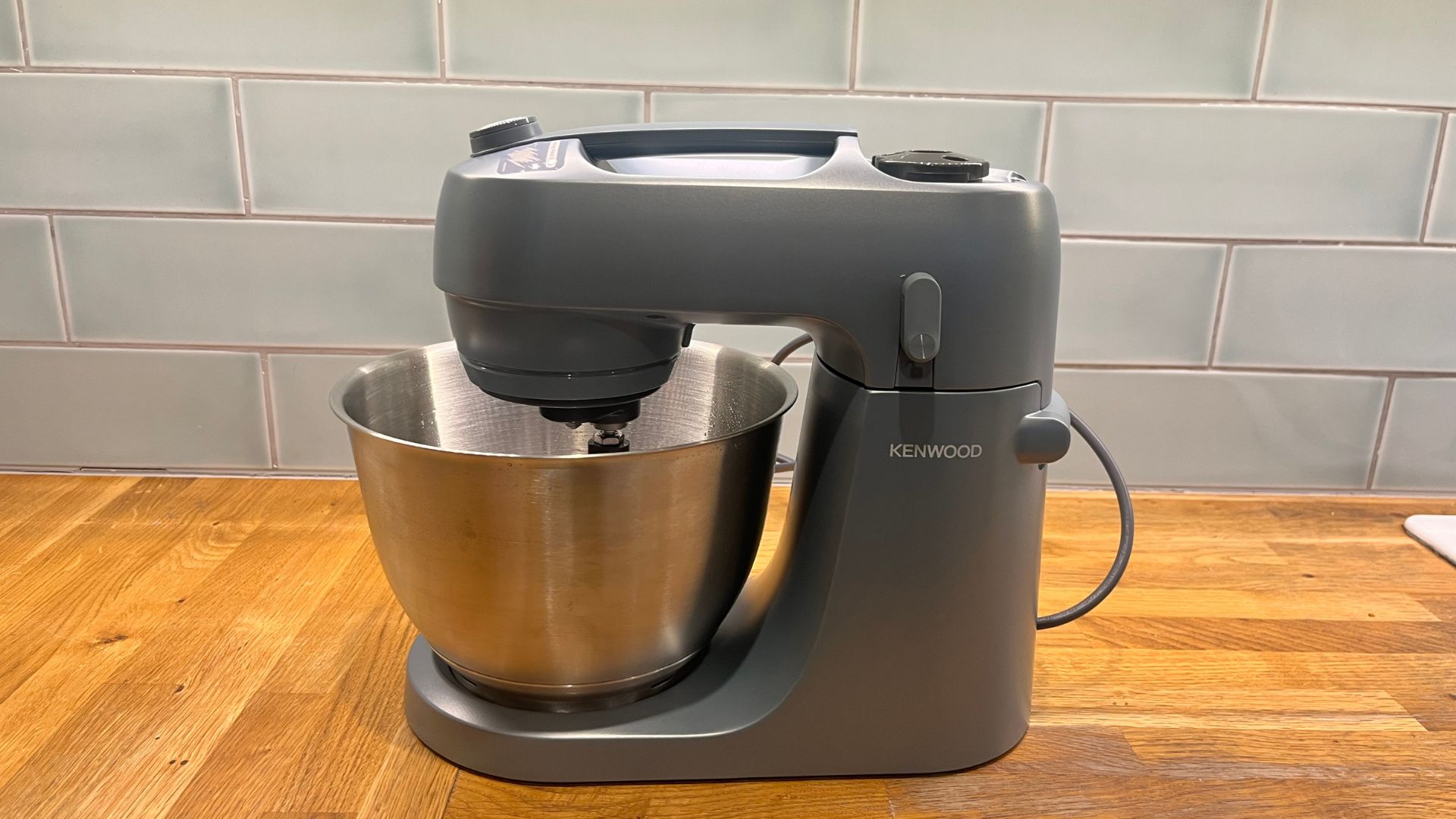
Power delivery is the next critical factor in any stand mixer reviews comparison. KitchenAid models, particularly the tilt-head Artisan series, are built for versatility rather than brute strength. They can handle moderate dough quantities, but pushing them beyond their limits often leads to overheating or stalling. Bosch mixers, by contrast, are built with high-torque motors designed for endurance. They can mix dense rye or whole wheat doughs for extended periods without the thermal protection triggers that typically halt other brands.
Durability and noise levels also diverge significantly. KitchenAid mixers are known for their iconic design and relatively quiet operation during light tasks, but the plastic gears in entry-level models can wear down under heavy stress. Bosch mixers are often described as industrial workhorses in user reviews. They are louder due to the direct drive mechanism, but they are generally more robust and capable of lasting decades under heavy use. If your primary goal is frequent bread baking, the Bosch’s mechanical advantage is hard to ignore.
Classic vanilla cake recipe
A standard vanilla cake is the ultimate stress test for any stand mixer. It requires enough power to cream butter and sugar to a pale, fluffy consistency, yet enough precision to fold in flour without developing gluten. This recipe uses a 6-inch cake tin, making it perfect for testing smaller bowls or high-speed mixing without wasting ingredients.
When using a KitchenAid, scrape the bowl halfway through the creaming stage to ensure even incorporation. For Bosch or Ankarsrum users, the dough hook is unnecessary here; the flat beater or whisk attachment is sufficient. This recipe highlights the difference in torque: a weak motor will stall when folding in the flour, while a robust unit will handle it silently.
Mixer maintenance checklist
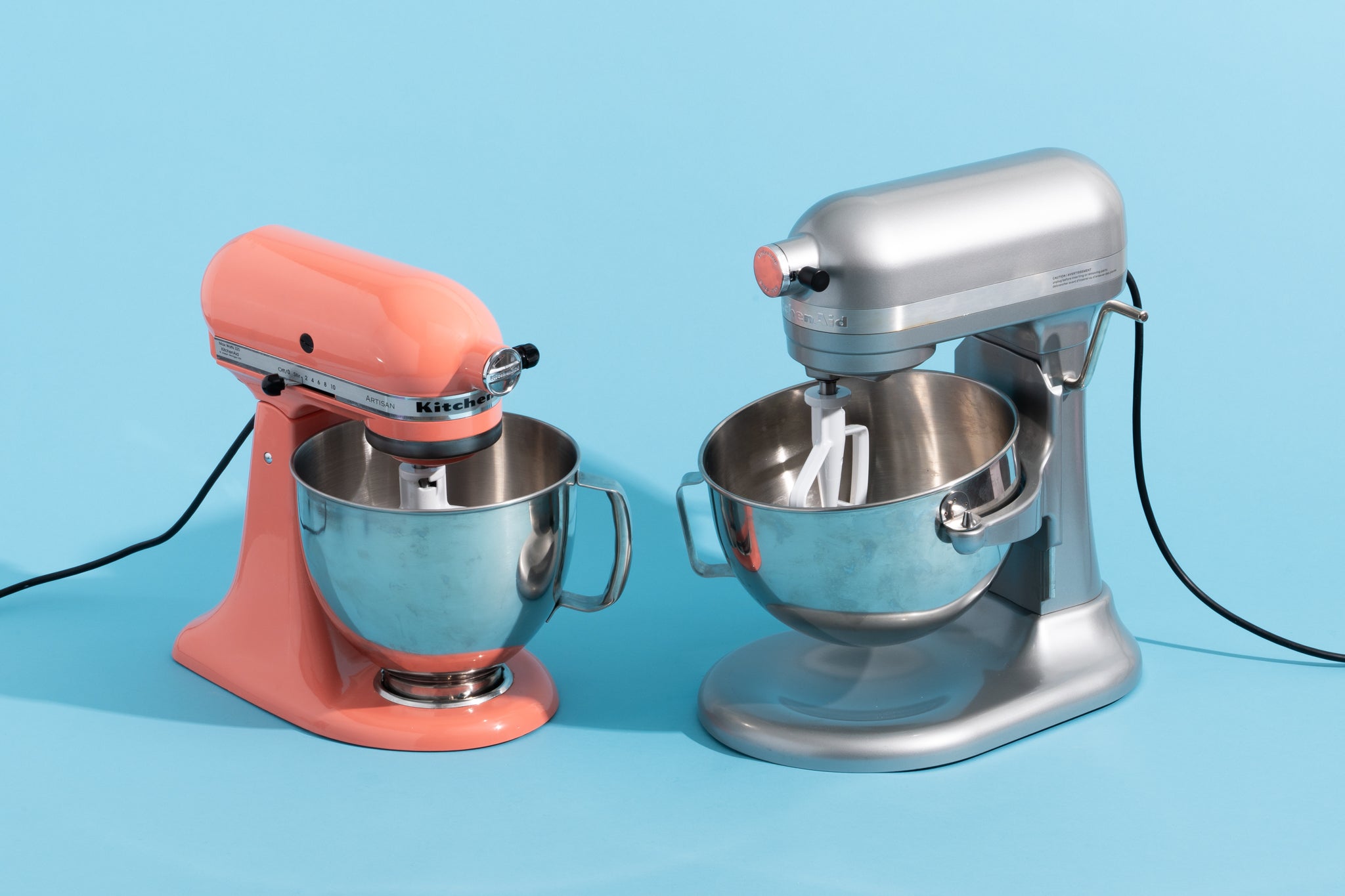
A stand mixer is a significant investment that deserves regular care. Whether you own a KitchenAid Artisan, a Bosch Universal, or an Ankarsrum, consistent maintenance prevents motor burnout, gear wear, and messy breakdowns. Treat your mixer like a precision tool, not just a kitchen appliance, and it will handle heavy doughs for years.
Monthly maintenance routine
Keep your mixer running smoothly with these simple steps. Focus on the parts that touch your food and the mechanical components that take the most strain.
Stand mixer questions answered
We test stand mixers against heavy doughs and delicate batters to determine real-world durability and compatibility. Here are the answers to the most common questions about KitchenAid, Bosch, and Ankarsrum models.
No comments yet. Be the first to share your thoughts!