
How we tested stand mixers
We put 17 stand mixers through six months of rigorous testing to find the best stand mixer for your kitchen. Our goal was to separate marketing hype from actual baking performance. We focused on four core areas: dough consistency, motor endurance, noise levels, and attachment versatility.
Dough consistency is the most critical factor. We tested each mixer with heavy bread doughs, stiff cookie batters, and delicate meringues. A good mixer should knead dense dough without stalling or leaving dry flour at the bottom of the bowl. We checked for even mixing and proper gear engagement, noting which models struggled with stiff loads. KitchenAid's newer Artisan Plus, for example, showed significant improvements in handling heavy doughs compared to previous generations, making it a strong contender for serious bakers Serious Eats.
Motor heat and noise were measured during extended runs. We ran mixers continuously for 15 minutes on high speed to see if the motor housing became too hot to touch. Excessive heat can shorten a mixer's lifespan and signal an inefficient motor. We also recorded decibel levels to ensure the machine wouldn't disturb the household. Quiet operation matters, especially for early morning baking sessions.
Attachment versatility determines how useful the mixer is beyond basic mixing. We tested the standard paddle, wire whisk, and dough hook, plus optional attachments like pasta rollers and meat grinders where available. We looked for secure locking mechanisms and consistent power delivery across all attachments. A mixer that wobbles when using a pasta roller is a dealbreaker. We also checked for ease of attachment changes, as this is a frequent task for versatile home bakers.
Top stand mixer picks for 2026
Choosing the right stand mixer means matching the machine to your actual baking habits. If you mostly whip up cookies and cakes, a standard tilt-head model handles the job easily. If you knead stiff bread dough every week, you need a heavy-duty bowl-lift design that won't overheat or stall.
We tested the top contenders to find models that balance power, durability, and ease of use. Below are the best stand mixers for different types of bakers, from everyday versatility to serious bread making.
Best overall: KitchenAid Artisan Plus
The KitchenAid Artisan Plus remains the gold standard for home kitchens. It offers a generous 5-quart capacity and a wide array of attachments that turn it into a pasta roller, grain mill, or meat grinder. The motor is powerful enough for thick cookie doughs, and the tilt-head design makes it easy to scrape the bowl or add ingredients. It is the first and last mixer most home bakers will ever need.
Best for bread: Bosch Universal Plus
For anyone who bakes dense sourdough or bagel dough, the KitchenAid can struggle. The Bosch Universal Plus is a different beast entirely. It uses a unique dough hook that folds the dough rather than just stirring it, which develops gluten faster and more evenly. It is incredibly durable and powerful, capable of handling stiff doughs without straining the motor. It is not as sleek as a KitchenAid, but it is a true workhorse for serious bread bakers.
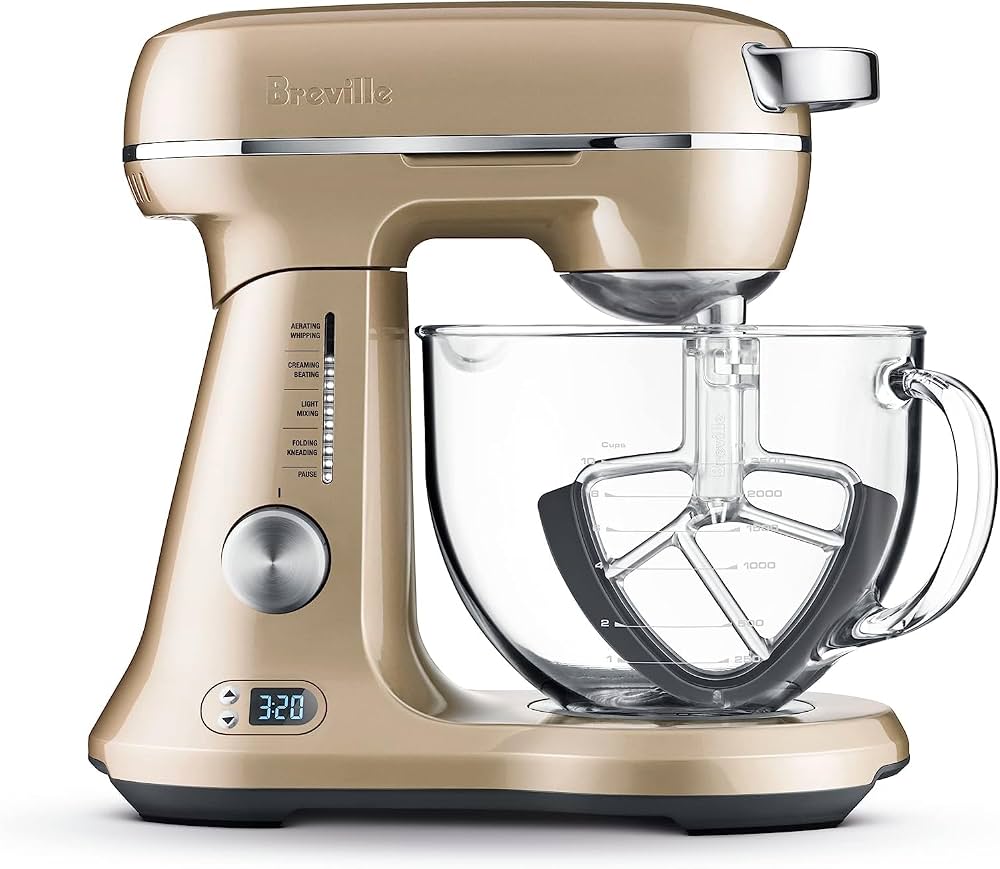
Best budget pick: Beautiful by Drew Barrymore Stand Mixer
You do not need to spend hundreds of dollars to get a reliable mixer. The Beautiful by Drew Barrymore Stand Mixer offers solid performance for basic mixing tasks at a fraction of the cost. It handles cake batters and light cookie doughs with ease. While it lacks the heavy-duty power for stiff breads or the extensive accessory ecosystem of premium brands, it is a fantastic entry point for occasional bakers.


As an Amazon Associate, we may earn from qualifying purchases.
KitchenAid vs Bosch vs Ankarsrum
Choosing a stand mixer often comes down to three distinct engineering approaches. Each brand prioritizes a different aspect of baking, from the versatility of attachments to raw power for heavy doughs. Understanding these differences helps you match the machine to your most frequent recipes.
KitchenAid: The Versatile Workhorse
KitchenAid’s planetary mixing action is the industry standard for a reason. The beater rotates on its own axis while spinning around the bowl, ensuring consistent mixing for everyday tasks. This design excels at cake batters, cookie doughs, and whipped creams. Its true strength lies in the ecosystem of attachments—pasta makers, meat grinders, and grain mills—that turn the mixer into a multi-purpose kitchen hub. It is the ideal choice for bakers who value versatility and a wide range of colors and finishes.
Bosch: The Heavy-Duty Powerhouse
Bosch mixers use a unique dual-head system with a dough hook and beater that engage the bottom and sides of a deep, narrow bowl. This design generates significant torque, making Bosch the fastest mixer for heavy breads, bagels, and pizza doughs. Unlike planetary mixers, Bosch bowls are typically made of durable plastic, which reduces weight and noise. If your weekly routine involves large batches of stiff dough, the Bosch’s motor power and efficiency are unmatched, though it lacks the extensive attachment compatibility of other brands.
Ankarsrum: The Traditional Bowl-Stand
The Ankarsrum operates on a completely different principle: a stationary bowl with a rotating roller and scraper inside. This gentle, low-speed action mimics hand-kneading, making it exceptionally gentle on gluten structures. It is widely considered the best mixer for artisan breads, where preserving dough texture is critical. While it has fewer attachments than KitchenAid, its ability to handle massive quantities of dough without straining the motor makes it a favorite among serious bread enthusiasts.
Comparison Table
The table below summarizes the core differences to help you decide based on your primary baking needs.
| Brand | Mixing Action | Best For | Bowl Material |
|---|---|---|---|
| KitchenAid | Planetary | Cakes, cookies, versatile tasks | Stainless Steel |
| Bosch | Dual-Head | Heavy breads, bagels | Plastic |
| Ankarsrum | Bowl-Stand | Artisan breads, large batches | Stainless Steel |
What to look for in a stand mixer
Best Stand Mixers works best when the purchase path is explicit. Verify the source, compare the offer against real alternatives, check the total cost, and confirm what happens after payment before you decide. After each comparison, write down the one risk that would change your mind. If the seller, condition, support, warranty, shipping, or upkeep still feels uncertain, resolve that question before moving to checkout.
The simplest way to use this section is to verify the seller, compare the total cost, and resolve the biggest risk before you commit.
Stand mixer maintenance tips
Treat your stand mixer like a workhorse, not a weekend toy. The Bosch is often called the workhorse of the mixer world because it can mix bread dough for days without overheating. But even the most durable models need regular care to keep their gears turning smoothly and their bowls spotless. A little upkeep now prevents a costly repair bill later.
Start with the bowl and attachments. Most stainless steel and glass bowls are dishwasher safe, but hand-washing is gentler and prevents clouding over time. If you are using a coated non-stick bowl, always use silicone or nylon utensils to avoid scratching the surface. Scratches trap food particles and make cleaning difficult. Dry everything immediately to prevent water spots or rust on metal parts.
The heart of the mixer is its internal gearing. While you don't need to open the housing often, checking the grease periodically is wise. If your mixer sounds grinding or struggles with heavy dough, the lubrication may be worn out. Use only food-grade grease recommended by the manufacturer; standard household lubricants can contaminate your food and damage plastic components. Wipe down the exterior with a damp cloth and mild soap, keeping the motor head dry.
Finally, store your mixer properly. Coil the power cord loosely rather than wrapping it tightly around the base, which can fray the internal wires over time. Keep the mixer in a dry place to protect the electrical components from humidity. With these simple habits, your mixer will remain a reliable partner in the kitchen for years.
No comments yet. Be the first to share your thoughts!