
How we picked the best kitchen knives
We didn't just read spec sheets; we put knives through their paces in a real home kitchen. Our testing focused on three things that matter most for daily cooking: sharpness, balance, and edge retention. We wanted to know which knives felt like an extension of your hand and which ones would stay sharp enough to slice tomatoes without crushing them.
Sharpness was the first hurdle. A dull knife is dangerous because it requires more force, increasing the chance of slipping. We checked how cleanly each blade cut through soft-skinned tomatoes and dense root vegetables. Balance came next. We held each knife in a standard grip to see if the weight sat comfortably in the handle or felt front-heavy, which can cause fatigue during prep work.
Edge retention was the final test. We sharpened each knife to a consistent baseline and then tracked how long it held that edge through weeks of regular use. Brands like Shun, Wusthof, and Global consistently showed up in our top picks because they balanced initial sharpness with long-term durability, making them reliable tools for home cooks.
Top picks for every cooking style
Choosing the right chef's knife often comes down to how you cook and what you're willing to spend. A good knife should feel like an extension of your hand, balancing sharpness, weight, and durability. We've broken down the best options for different home cooking styles, from budget-friendly workhorses to premium Japanese steel.
Best overall: Zwilling Pro 8-inch Chef's Knife
For most serious home cooks, the Zwilling Pro 8-inch is the sweet spot. It offers a reliable balance of price, quality, and durability. The blade holds an edge well and the handle provides a secure grip, making it a versatile choice for everyday tasks like chopping vegetables or slicing meat. It's a knife you can rely on without worrying about delicate maintenance.
Best budget: Victorinox Swiss Classic 8-inch Chef's Knife
If you're just starting out or want a reliable backup, the Victorinox Swiss Classic is hard to beat. It's widely considered the best value in the knife world. The blade is sharp out of the box and maintains its edge with basic care. It's a favorite among budget-conscious home cooks because it delivers professional-level performance without the premium price tag.
Best premium: Shun Classic Chef's Knife
For those who appreciate craftsmanship and aesthetics, the Shun Classic is a standout. Made with high-quality Japanese steel, it's incredibly sharp and well-made. The Damascus-style cladding isn't just for show; it helps reduce friction when slicing. It's a beautiful knife that performs beautifully, though it requires a bit more care to keep its edge and finish looking pristine.
| Pick | Blade Length | Material | Price Tier | Key Feature |
|---|---|---|---|---|
| Zwilling Pro | 8 inches | German Steel | Mid-range | Balanced & Durable |
| Victorinox Swiss Classic | 8 inches | High-Carbon Steel | Budget | Sharp & Affordable |
| Shun Classic | 8 inches | VG-MAX Steel | Premium | Sharp & Aesthetic |
| Misen | 8 inches | German Steel | Mid-range | Ergonomic Handle |




As an Amazon Associate, we may earn from qualifying purchases.
What makes a chef's knife worth buying
Use this section to make the Best Kitchen Knives for Home Cooks decision easier to compare in real life, not just on paper. Start with the reader's actual constraint, then separate must-have requirements from details that are merely nice to have. A practical choice should survive normal use, maintenance, timing, and budget. If a recommendation only works in an ideal situation, call that out plainly and give the reader a fallback path.
The simplest way to use this section is to write down the must-have criteria first, then compare each option against those criteria before weighing nice-to-have features.
Care tips to keep your knife sharp
A kitchen knife is only as good as its edge, and maintaining that edge is less about complex rituals and more about consistent, gentle habits. The difference between a knife that lasts a decade and one that ends up in the trash often comes down to how you treat it after dinner. By following a few simple maintenance steps, you can keep your Shun, Wüsthof, or Global knives performing like new for years.

Dishwashers are the enemy of high-quality steel. The harsh detergents and extreme heat can damage handles and cause microscopic corrosion on the blade. Always wash your knives by hand with warm water and mild soap, drying them immediately with a towel. This prevents water spots and rust, especially on carbon steel blades.
Honing straightens the edge; it does not remove metal. Use a honing steel (or ceramic rod) regularly—ideally before or after every few uses. Hold the knife at a 15-20 degree angle against the steel and draw the blade down smoothly. This realigns the microscopic teeth of the edge, restoring cutting power without the abrasion of sharpening.
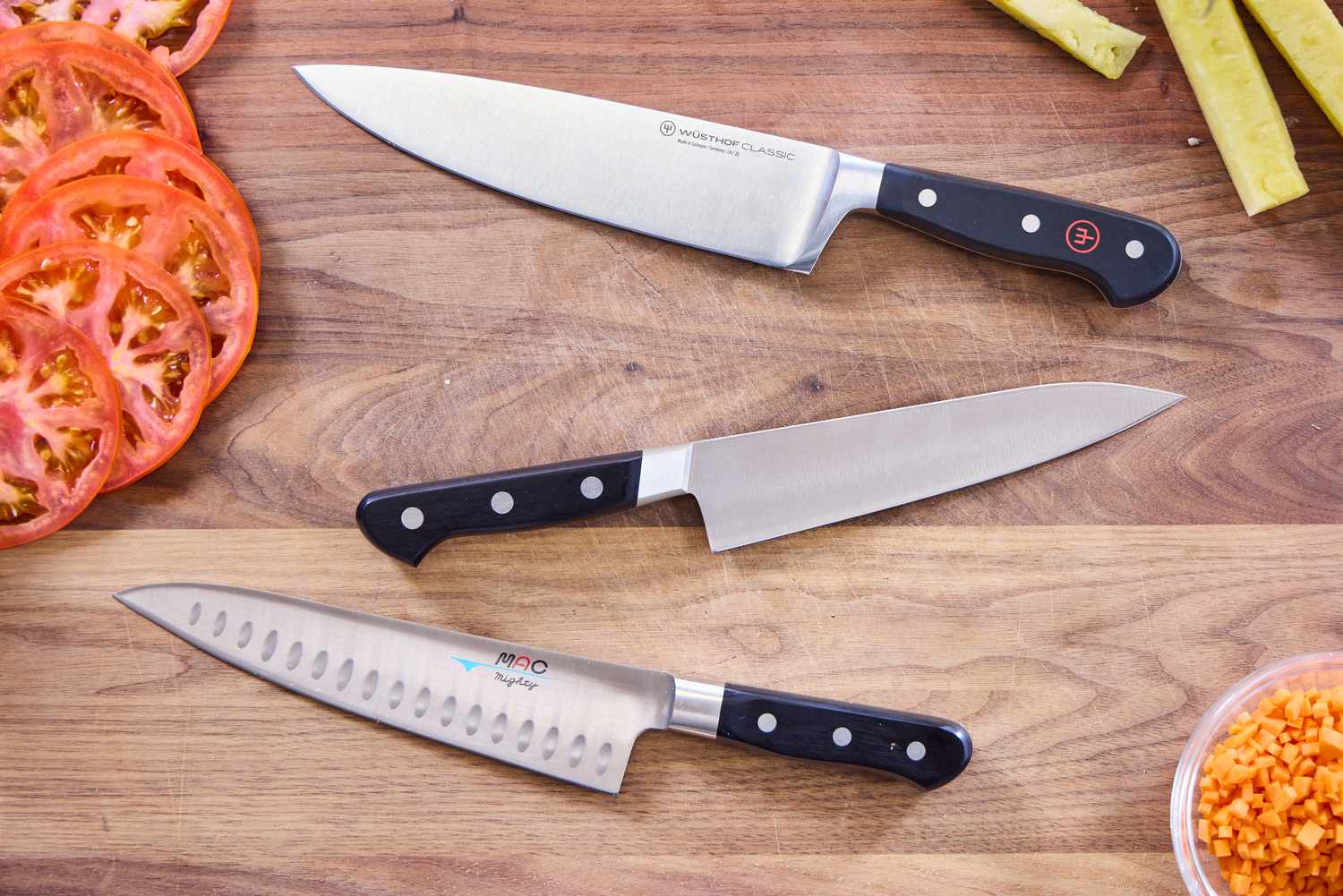
Sharpening removes metal to create a new edge. You only need to do this when honing no longer restores the cut. Use a whetstone, guided system, or professional service. For most home cooks, sharpening once or twice a year is sufficient. Over-sharpening wears down the blade’s geometry and shortens the knife’s lifespan.
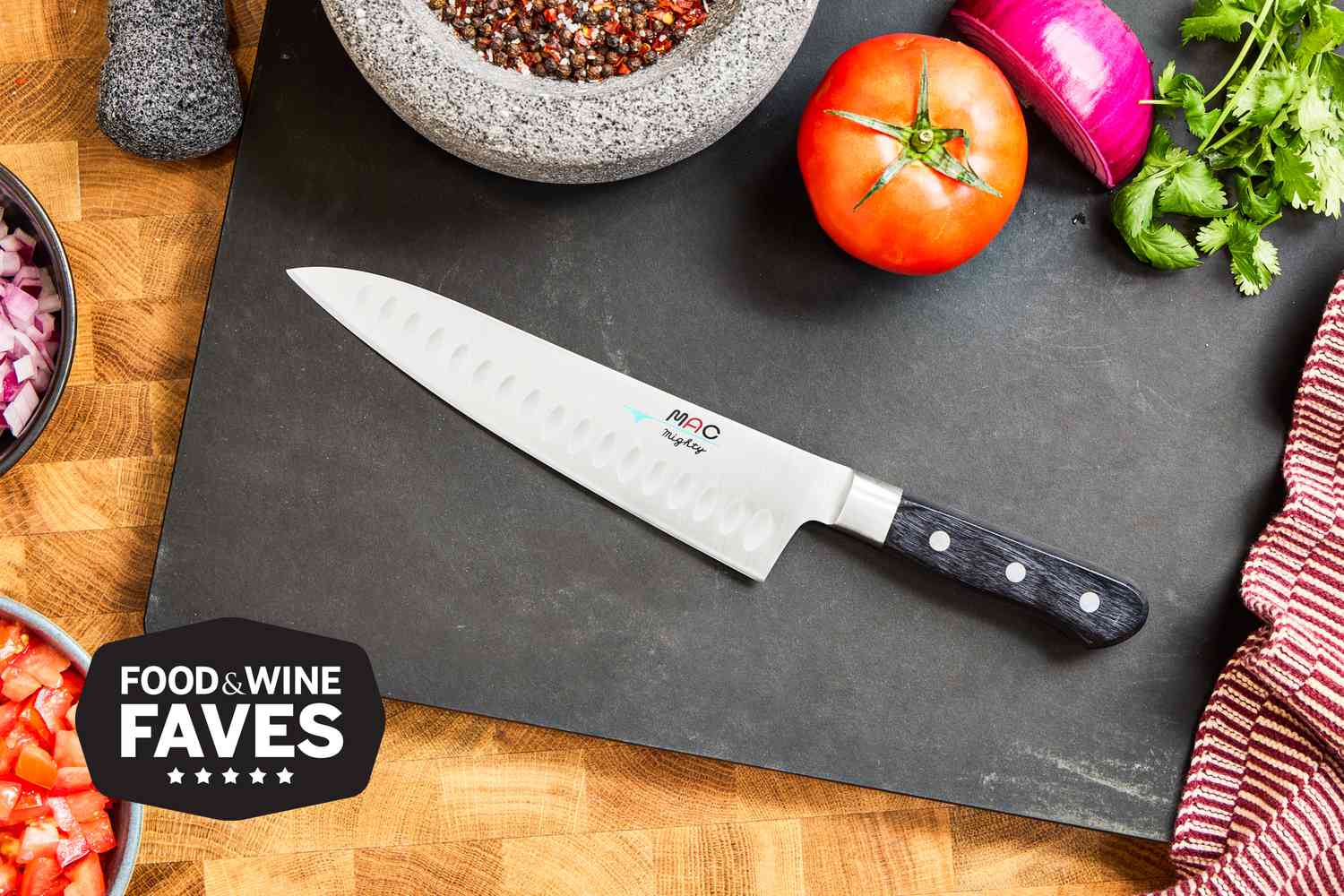
Never toss knives loosely into a drawer where they can bang against other utensils. Use a magnetic strip, a knife block with individual slots, or blade guards. Proper storage prevents nicks and dulling, keeping the edge pristine and your fingers safe when reaching for a tool.
By treating your knives with respect, you ensure they remain reliable partners in the kitchen. A sharp, well-maintained knife isn’t just safer; it makes cooking more enjoyable by giving you precise control over every cut.
No comments yet. Be the first to share your thoughts!