
Why a stand mixer changes your baking
A stand mixer is less of a kitchen gadget and more of a dedicated sous-chef. It handles the heavy lifting that makes baking tedious: kneading stiff bread dough, whipping egg whites to stiff peaks, or creaming butter and sugar for hours without straining your arms. This consistency is what separates a good home baker from a great one. You get uniform texture every time, which is critical for things like brioche or meringue where structure depends on precise aeration and gluten development.
Manual mixing leaves too much room for error. Overworking dough can make bread tough, while under-whipping cream results in a grainy finish. A stand mixer’s motor and planetary mixing action ensure that ingredients are incorporated evenly, scraping the bowl and folding the mixture with mechanical precision. This reliability means you can focus on timing and technique rather than physical endurance.

For home bakers, the investment pays off in the quality of the final product. Whether you are making delicate cookies or dense pizza dough, the machine does the repetitive work, allowing you to prepare other components of your recipe simultaneously. It transforms baking from a chore into a manageable, enjoyable process.
KitchenAid vs Bosch vs Ankarsrum
Choosing a stand mixer is less about brand loyalty and more about understanding the machine’s mixing action. The three dominant designs—planetary, spiral, and bottom-drive—each handle ingredients differently. Picking the wrong mechanism can lead to under-mixed dough or a motor that overheats on heavy loads. This section breaks down how each technology works and which baking style it supports best.
The KitchenAid Planetary Action
KitchenAid mixers use a planetary gear system where the beater rotates on its own axis while orbiting the bowl. This design is excellent for aerating light ingredients like whipped cream, meringues, and cake batters. The wide variety of attachments available for the hub makes it a versatile kitchen hub, but the planetary action struggles with dense bread doughs. The beater often leaves pockets of unmixed flour at the bottom, and the motor can strain when working stiff doughs. It is the go-to choice for bakers who prioritize versatility and light textures over heavy kneading.
The Bosch Universal Spiral
The Bosch Universal uses a unique bottom-drive mechanism with a dough hook that spirals through the stationary bowl. This design mimics the hand-kneading motion, making it exceptionally efficient for bread doughs. The motor is powerful and designed to handle heavy loads without overheating, allowing it to mix large batches of sourdough or bagel dough quickly. However, the mixing action is less effective for whipping air into light batters. If your baking routine is dominated by breads and yeasted goods, the Bosch’s efficiency and durability make it a superior workhorse compared to the planetary design.
The Ankarsrum Bottom-Drive
Ankarsrum mixers also use a bottom-drive system but with a distinct approach: the bowl rotates while a stationary roller and scraper work the dough. This gentle, continuous motion is ideal for developing gluten in delicate doughs without overworking them. It handles everything from stiff pizza dough to soft cookie dough with equal ease. The large bowl capacity makes it suitable for high-volume baking, but the machine’s footprint is significant. It is a specialized tool for serious bakers who need consistent results across a wide range of dough types without the noise or heat buildup of other models.
Comparison of Mixer Technologies
The table below compares the key performance metrics for each mixer type. Use this to match the machine to your primary baking needs.
| Mixer Type | Mixing Action | Best For | Motor Load |
|---|---|---|---|
| KitchenAid | Planetary | Cakes, cookies, whipping | Strains on heavy dough |
| Bosch Universal | Spiral | Bread, bagels, pizza | Handles heavy loads |
| Ankarsrum | Rotating Bowl | All doughs, large batches | Consistent, low heat |

Testing with Brioche
To see these differences in action, we tested a brioche dough—a recipe that requires significant gluten development and butter incorporation. The Bosch Universal completed the mix in half the time of the KitchenAid, with a smoother, more elastic texture. The Ankarsrum produced the most consistent gluten structure, though the process was slower. The KitchenAid required multiple stops to scrape down the sides and still left small lumps of butter. For brioche, the spiral and bottom-drive designs offer a clear advantage in both speed and texture.
Top stand mixer picks for 2026
Choosing the right machine depends on how you bake. We tested dozens of models to find the best stand mixer for your specific needs, whether you are whipping cream, kneading bread, or making large batches of cookies.
Best Overall: KitchenAid Artisan Plus
The KitchenAid Artisan Plus is the most reliable all-rounder for home bakers. Its 5-quart bowl handles most recipes, from light meringues to stiff cookie dough, without straining the motor. The addition of a flat beater that scrapes the bowl’s sides means you spend less time stopping to scrape down the batter. It is the first and last stand mixer most people will need.
Best for Heavy Dough: Breville Bakery Chef
If you bake dense sourdough or bagel dough regularly, the Breville Bakery Chef is built for the job. Its 5-quart capacity and powerful 550-watt motor can handle heavy loads that would stall smaller mixers. The planetary mixing action ensures even incorporation, but the real advantage is the durability. It feels like a commercial tool in a home kitchen, making it worth the higher price for serious bakers.
Best Budget Pick: Beautiful by Drew Barrymore
For those who bake occasionally, the Beautiful by Drew Barrymore offers surprising performance for the price. While it lacks the premium finish of KitchenAid, its motor is strong enough for standard cake batters and muffin mixes. It is lightweight and easy to store, making it a great choice for small kitchens or beginners who want to test their commitment to baking without a major investment.
Test recipe: Perfect brioche dough
Brioche is the ultimate stress test for any stand mixer. The dough is rich, heavy, and incredibly sticky due to the high butter and egg content. A weak motor will stall or overheat, while a sturdy machine should handle the load without breaking a sweat. We use this recipe to evaluate kneading consistency, bowl capacity, and thermal management.
When the dough is properly kneaded, it should form a cohesive ball that cleans the sides of the bowl. If your mixer struggles here, it may lack the torque needed for heavy breads. The Bosch series, for example, is often praised for handling these dense loads without overheating, making it a reliable choice for frequent bakers.
Mixer accessories that matter
The standard paddle, whisk, and dough hook handle most daily tasks, but the right attachments turn a basic mixer into a specialized kitchen station. Think of your mixer as a chassis; the attachments are the tools that determine what you can actually build. You don’t need every gadget, but knowing which ones deliver real results saves counter space and money.
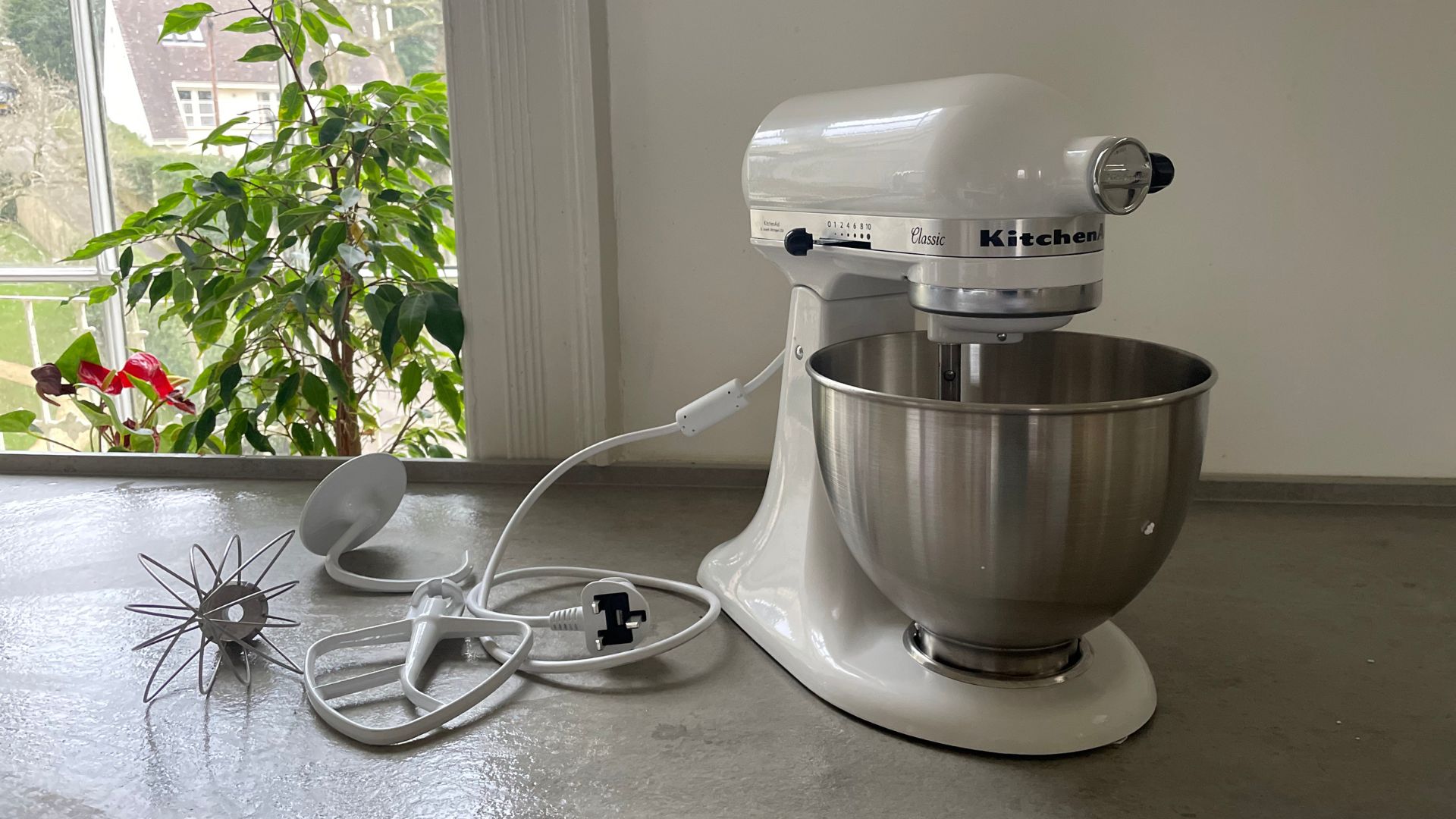
The Essentials: Paddle, Whisk, and Hook
The flat beater (paddle) is your workhorse for cookies, cakes, and general mixing. It mimics hand beating without the elbow grease. The wire whisk is non-negotiable for whipping cream, egg whites, and light batters. Finally, the dough hook handles heavy yeast breads and pizza dough, kneading without heating the flour like a hand mixer might.
Optional Upgrades: Pasta and More
If you bake often, attachments like a pasta roller or spiralizer add significant utility. They require a hub adapter but transform the mixer into a multi-tool. For most home bakers, the pasta roller is the most frequent add-on, turning simple dough into fresh noodles in minutes.
Checklist: What to Buy
Frequently asked questions about stand mixers
Stand mixers are a significant investment for any kitchen. We’ve gathered the most common questions from bakers to help you decide which machine fits your workflow and budget.
No comments yet. Be the first to share your thoughts!