
PFAS in Your Pan: The Real Risk
Per- and polyfluoroalkyl substances, or PFAS, are man-made chemicals used in products since the 1940s, including non-stick cookware. They create slick, heat-resistant surfaces. Teflon, developed by DuPont, made cooking easier by minimizing food sticking and reducing the need for fats. However, concerns about PFAS health effects have led to increased scrutiny and a push for alternatives.
PFAS chemicals persist in the environment and the human body because they don’t readily break down, earning them the name "forever chemicals". Exposure has been linked to health problems like immune deficiencies, thyroid disruption, increased cholesterol, and certain cancers, according to the National Institute of Environmental Health Sciences (NIEHS). Older formulations contained perfluorooctanoic acid (PFOA), a problematic PFAS, but many manufacturers have phased it out due to regulatory pressure and health concerns.
Phasing out PFOA doesn’t automatically mean a pan is safe. Some manufacturers switched to short-chain PFAS compounds, believing them to be less bioaccumulative. Research is ongoing, and the long-term health effects of these newer PFAS are still being investigated. PFAS can leach into food, even in small amounts, driving the search for truly PFAS-free alternatives. The debate centers on whether these alternatives are truly safer, or simply a different kind of risk.
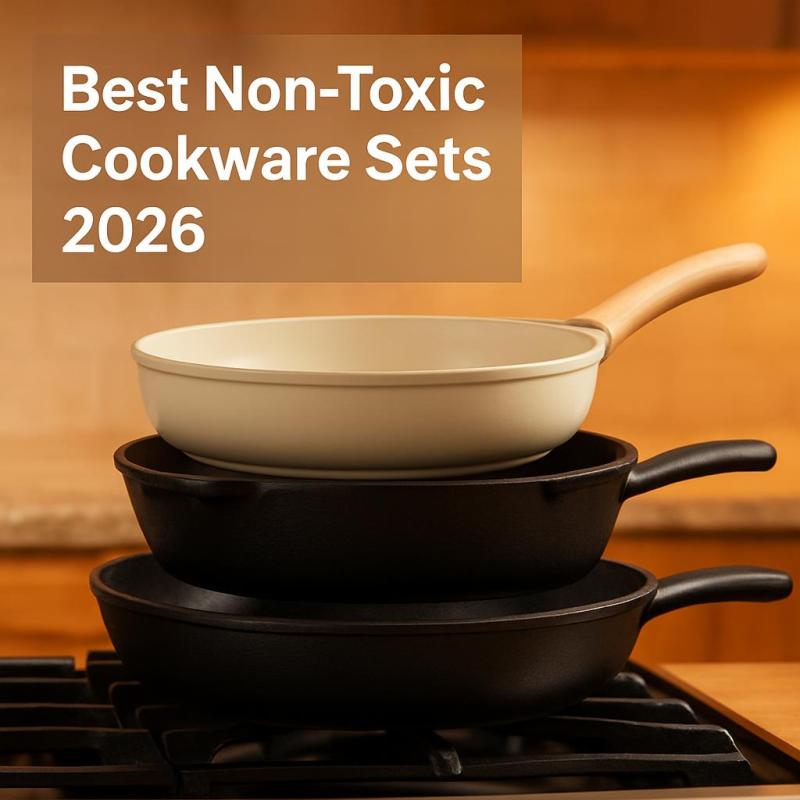
Decoding 'PFAS-Free' Claims
The term "PFAS-free’ is not always straightforward. There’s no single, universally accepted definition or certification standard. This allows for ambiguity in marketing, and consumers need to be informed. Some manufacturers claim ‘PFAS-free’ if their product doesn"t intentionally contain PFAS, but trace amounts may still be present due to contamination during manufacturing.
Third-party certifications like NSF International can offer some reassurance, but they don't always test for the absence of all PFAS. They may focus on PFOA and PFOS, the two most studied and regulated PFAS compounds. The challenge is the sheer number of PFAS – thousands exist – and the difficulty of testing for them all. The production of even 'PFAS-free' coatings can involve PFAS-containing processing aids, leaving a potential for trace contamination.
"Short-chain" PFAS are presented as a safer alternative, as they are thought to be less likely to accumulate in the body. Science is still evolving, and some studies suggest they may still pose health risks. They are more mobile in the environment and may contaminate water supplies more easily. Prioritize cookware explicitly verified to be free from all intentionally added PFAS.
Ceramic Coatings: A Popular Alternative
Ceramic non-stick coatings are a leading alternative to traditional PFAS-based coatings. These coatings are typically made from silicon-based materials, often a sol-gel derived coating, and are generally considered PFAS-free. They offer excellent initial non-stick performance and are marketed as a more environmentally friendly option. Brands like GreenPan and Caraway are known for their ceramic cookware.
Ceramic coatings offer good non-stick properties when new and lack intentionally added PFAS. They heat up quickly and distribute heat reasonably well. However, ceramic coatings are less durable than traditional non-stick or newer mineral-based options. The non-stick performance degrades over time, even with careful use, and the coating scratches and chips easily.
The performance drop-off can be significant. After six months to a year of regular use, many ceramic pans lose their non-stick properties, requiring more oil or fat for cooking. Some manufacturers layer the ceramic coating, but this adds cost and doesn’t solve the durability problem. Some ceramic coatings may still contain trace amounts of PFAS from the manufacturing process, although this is less common with reputable brands. Proper care, specifically avoiding high heat and abrasive cleaners, can extend the lifespan somewhat.
Brands use different formulations. Some incorporate titanium particles for durability, while others focus on surface treatments to enhance non-stick properties. The fundamental limitations of ceramic coatings remain: they are not as durable as other options and their performance will decline over time. This makes them a good option for those prioritizing a PFAS-free surface and willing to replace the pan more frequently.
The Rise of Mineral-Based Non-Stick
A newer generation of non-stick coatings is based on mineral-derived materials, particularly silicon dioxide. These coatings, often called 'mineral non-stick,' combine the benefits of PFAS-free and ceramic coatings with improved durability. Brands like Scanpan and Ballarini are leaders in this technology.
Unlike ceramic coatings, which create a layer on top of the base metal, mineral-based coatings are bonded to the metal at a higher temperature, creating a more integrated and durable surface. This process results in a harder, more scratch-resistant coating. They offer better heat distribution and retention compared to ceramic, approaching the performance of traditional non-stick.
Mineral-based coatings are a promising development. They offer superior non-stick performance and durability compared to ceramic, while avoiding the use of intentionally added PFAS. However, they are typically more expensive than ceramic options. The long-term performance of these coatings is still being evaluated, but initial reports are encouraging. They’re not indestructible – high heat and abrasive cleaners should still be avoided – but they hold up better to regular use than ceramic.
Top PFAS-Free Pans for 2026
Finding a high-performing PFAS-free pan requires careful consideration. Here are a few options for 2026, based on testing data and user reviews. Price ranges can vary depending on retailer and sales.
Scanpan Pro IQ (Price: $180-$300): With a diamond-reinforced ceramic-titanium non-stick coating, the Scanpan Pro IQ receives high marks for durability and non-stick performance. It’s compatible with all stovetops, including induction, and is oven-safe up to 500°F. The heavy-gauge aluminum construction ensures even heat distribution, but the price is a significant investment.
Caraway Fry Pan (Price: $85-$125): Caraway's ceramic-coated cookware is popular for its aesthetic appeal and ease of cleaning. The non-stick performance doesn’t last as long as Scanpan, but it's a good option for everyday cooking and is more affordable. Available in a range of colors and sizes.
**GreenPan Valencia Pro (Price: $100-$200
Ballarini Picosa (Price: $70-$150): Utilizing a mineral-based coating, the Ballarini Picosa offers a compelling balance of performance and price. It’s known for its excellent heat distribution and durability, making it suitable for a variety of cooking tasks. It is also induction compatible.
Made In Ceramic Non-Stick (Price: $99-$159): Made In has entered the ceramic space with a pan focused on even heating and durability. While newer to the market, early reviews suggest a solid performer, though long-term durability remains to be seen. It's a good choice for those seeking a streamlined, minimalist design.
PFAS-Free Non-Stick Cookware Comparison - 2026
| Brand | Coating Type | Durability | Heat Distribution | Best For |
|---|---|---|---|---|
| Made In | Ceramic | Medium | Good | Eggs, delicate fish, sauces |
| GreenPan | Thermolon Ceramic | Medium | Good | Everyday cooking, vegetables, pancakes |
| Caraway | Ceramic | Medium | Good | Eggs, omelets, stir-fries |
| Our Place | Ceramic | Low | Poor | Simpler cooking tasks, reheating |
| Scanpan | ExoThermic | High | Excellent | Searing, high-heat cooking, all-purpose |
| All-Clad | Ceramic | Medium | Good | Sauces, eggs, and general cooking |
Illustrative comparison based on the article research brief. Verify current pricing, limits, and product details in the official docs before relying on it.
Care & Maintenance: Extending Pan Life
Proper care is paramount for maximizing the lifespan of PFAS-free non-stick cookware. Unlike traditional non-stick, these coatings are generally more susceptible to damage. Avoid using metal utensils, as they can scratch and chip the surface. Opt for silicone, nylon, or wooden utensils instead. Hand washing is always recommended, even if the manufacturer claims the pan is dishwasher-safe. Harsh detergents and the high temperatures of dishwashers can degrade the coating over time.
Seasoning, while not required for all PFAS-free pans, can help improve the non-stick performance of some ceramic and mineral-based coatings. This involves lightly coating the pan with oil and heating it on the stovetop for a few minutes. Avoid overheating the pan, as this can damage the coating. Medium heat is generally sufficient for most cooking tasks.
Addressing sticky food promptly is crucial. If food does stick, avoid using abrasive scrubbers. Instead, soak the pan in warm, soapy water and gently scrape off the residue with a soft sponge or plastic scraper. For stubborn burnt food, a paste of baking soda and water can be effective. Regular maintenance will significantly extend the life of your PFAS-free pan and ensure optimal performance.
Beyond Non-Stick: Alternatives to Consider
While non-stick cookware offers convenience, it’s not the only option for achieving excellent cooking results. Cast iron, stainless steel, and carbon steel offer distinct advantages and are worth considering as alternatives. Cast iron provides exceptional heat retention and is ideal for searing, frying, and baking. Stainless steel is durable, non-reactive, and suitable for a wide range of cooking techniques.
Carbon steel, a hybrid between cast iron and stainless steel, offers a lighter weight and quicker heating time. Each material requires a different level of maintenance. Cast iron needs to be seasoned regularly, while stainless steel requires careful temperature control to prevent sticking. Ultimately, the best cookware depends on your individual cooking style and preferences. Non-stick is valuable for delicate foods like eggs and fish, but these alternatives offer versatility and longevity.

No comments yet. Be the first to share your thoughts!