
The shift away from traditional non-stick
Flipping an egg or sliding pancakes onto a plate without a mess is one of those small kitchen wins. Non-stick pans made this easy, but that convenience is getting harder to justify. For ten years, we've seen more evidence that the chemicals making these pans slippery—PFAS—are a problem.
PFAS, or per- and polyfluoroalkyl substances, were prized for their exceptional ability to repel water and oil, making them ideal for creating a truly non-stick surface. They were incorporated into cookware starting in the 1950s, and for decades, they were considered a kitchen essential. However, mounting evidence has linked PFAS exposure to a range of health problems, from immune deficiencies to certain types of cancer.
People are tired of the chemical risk, so manufacturers are finally pivoting. You'll see 'PFAS-free' labels everywhere now, but the tech behind them varies wildly. Here is how to tell which pans actually work and which ones are just marketing fluff for 2026.
Why PFAS is a problem
PFAS aren't a single chemical, but a group of over 9,000 different compounds. They’re characterized by long chains of carbon-fluorine bonds, which are incredibly strong and resistant to breakdown. This stability is what makes them effective at repelling liquids and heat, but it’s also what makes them persist in the environment and in our bodies.
The health concerns surrounding PFAS are substantial. The EPA has linked exposure to PFAS to several adverse health effects, including increased cholesterol levels, immune system suppression, thyroid disease, and certain cancers, such as kidney and testicular cancer. Studies published by the National Cancer Institute have further investigated these connections, though research is ongoing to fully understand the long-term impacts.
PFAS don’t just stay in the cookware. They can leach into food during cooking, especially at high temperatures, and can contaminate water sources through manufacturing and disposal. This widespread contamination is a major environmental concern, as PFAS have been detected in the blood of nearly every person in the United States, according to the CDC.
It’s important to understand that even low levels of exposure over extended periods can be problematic. While the industry has largely phased out the use of PFOA and PFOS—two of the most well-studied PFAS—they’ve been replaced with other PFAS compounds, some of which may have similar health concerns. The challenge lies in the sheer number of PFAS and the difficulty in assessing the safety of each one.
The truth about 'PFAS-free' labels
The term "PFAS-free" is becoming increasingly common, but it's not a guarantee of complete safety. It’s crucial to understand what manufacturers mean when they use this label. Often, it simply means the cookware doesn’t contain the original, longer-chain PFAS compounds like PFOA and PFOS that have been the focus of most regulations.
Many manufacturers have switched to shorter-chain PFAS, which are marketed as being less harmful. However, the long-term health effects of these newer compounds are still being studied. There are concerns that they may still accumulate in the body and pose risks, though they may clear the system faster than their predecessors. The substitution of one PFAS for another doesn’t necessarily solve the problem.
Currently, labeling standards for PFAS in cookware are still evolving. There isn't a single, universally recognized certification. Look for third-party certifications from organizations like the NSF International or UL, which independently test products for the presence of harmful chemicals. These certifications offer a greater level of assurance than simply relying on a manufacturer's claim.
Some brands list every chemical they use; others hide behind 'proprietary' labels. I trust the ones that show their homework. If a company won't tell you what's in the coating, they probably don't want you to know.
- Look for NSF International or UL stamps on the box.
- Check for transparency: Does the brand disclose the coating's composition?
- Understand 'PFAS-free' limitations: It may only refer to specific PFAS compounds.
Ceramic Non-Stick: The Popular Choice
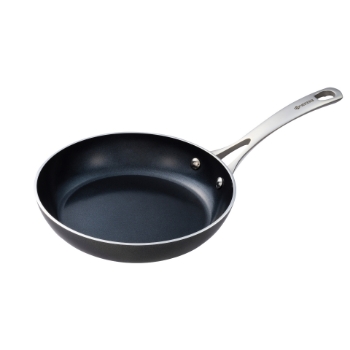
Ceramic non-stick cookware has emerged as a leading alternative to traditional PFAS-coated pans. These coatings are typically made from a silicone-based polymer derived from sand, making them appear more environmentally friendly and less concerning from a health perspective. The initial non-stick performance of ceramic cookware is generally very good, and it often comes at a more affordable price point than some other alternatives.
However, ceramic coatings have a significant drawback: durability. Unlike PFAS coatings, which are incredibly resilient, ceramic coatings tend to degrade more quickly with use. The non-stick properties diminish over time, even with careful maintenance. This means you may need to replace ceramic pans more frequently, which can offset any initial cost savings.
Another concern is the potential for trace amounts of heavy metals, like lead and cadmium, to be present in some ceramic coatings. While manufacturers are working to minimize these levels, it’s something to be aware of. The quality of ceramic cookware can vary significantly between brands, so it's important to research and choose reputable manufacturers.
The lifespan of a ceramic non-stick pan varies, but many users report a noticeable decline in performance after just a year or two of regular use. Some higher-end ceramic coatings claim to last longer, but independent testing data is limited. Brands like GreenPan and Caraway are popular choices, but consumer reviews often highlight the issue of coating degradation over time.
Other PFAS-Free Alternatives
Beyond ceramic, several other options are available for those seeking PFAS-free cookware. Stainless steel with a dimpled or textured surface can provide some non-stick properties, though it requires more oil and careful temperature control. These pans are incredibly durable and safe, but they don’t offer the same effortless release as a true non-stick surface.
Cast iron, when properly seasoned, is another excellent non-stick alternative. It’s incredibly durable, retains heat exceptionally well, and can last for generations. However, cast iron requires more maintenance, including regular seasoning and careful cleaning to prevent rust. It also heats up slowly and can be quite heavy.
Emerging technologies include coatings using diamond particles. These coatings are touted for their exceptional durability and non-stick performance, but they tend to be more expensive. Brands like Scanpan are experimenting with diamond-reinforced non-stick coatings, but long-term data on their performance is still limited.
Ultimately, choosing an alternative to PFAS-coated cookware often involves trade-offs. You may need to adjust your cooking techniques, invest in more maintenance, or accept a slightly less effortless cooking experience. But for many, the peace of mind knowing they’re avoiding potentially harmful chemicals is worth it.
Maintaining Your Non-Stick (Any Type)
Regardless of the type of non-stick cookware you choose, proper maintenance is essential for maximizing its lifespan. The key is to be gentle. Avoid abrasive cleaners, scouring pads, and metal utensils, which can scratch and damage the coating. Hand washing is always recommended, even if the cookware is labeled as dishwasher safe.
Keep the heat low. High temperatures kill non-stick coatings and can even release fumes you don't want to breathe. I always use a little butter or oil, even on ceramic, because it acts as a buffer for the surface. Never leave an empty pan on a hot burner—it's the fastest way to ruin the finish.
Proper storage is also crucial. Avoid stacking non-stick pans directly on top of each other, as this can scratch the coating. Instead, use pan protectors or hang them individually. Following these simple guidelines will help you extend the life of your non-stick cookware and get the most out of your investment.
- Hand wash with a soft sponge instead of using the dishwasher.
- Use low to medium heat.
- Avoid metal utensils.
- Store pans with protectors.

No comments yet. Be the first to share your thoughts!