
How we tested stand mixers
We put a wide range of stand mixers through their paces in a real kitchen setting to see how they handle the tasks that actually matter to home bakers. Our testing focused on two distinct challenges: the heavy resistance of kneading stiff dough and the delicate aeration required for whipping cream or egg whites. By running these specific workflows, we could identify which motors have enough torque to stay steady and which bowls are large enough for double batches of cookies.
The KitchenAid Artisan series was tested extensively for its ability to cream butter efficiently and knead pizza dough with minimal struggle. We looked for signs of motor strain, such as the mixer "walking" across the counter or the bowl shifting under pressure. Models from brands like Cuisinart and Instant were also evaluated for their consistency in mixing, ensuring that ingredients were incorporated evenly without leaving dry pockets at the bottom.
We tested mixers on heavy doughs and delicate batters to ensure they handle real kitchen workloads.
Beyond raw power, we examined how easy it is to switch attachments and clean the bowls after use. A mixer that performs well in the lab but is a nightmare to disassemble isn't much good for a busy weekend baker. We prioritized models that offered a smooth transition between tasks, allowing you to move from kneading bread to whipping meringue without unnecessary fuss.
Best tilt-head stand mixers
Tilt-head mixers are the most common type of stand mixer, and for good reason. Their design lets you lift the mixing head to add ingredients or swap attachments without stopping. This makes them easier to use than bowl-lift models, especially for home bakers who mix a variety of batters and doughs.
The KitchenAid Artisan 5-quart stand mixer remains the market leader. It handles everything from whipping cream to kneading pizza dough with consistent results. Its versatility and wide range of attachments make it a reliable centerpiece for most kitchens.
If you need something lighter or more affordable, the Bosch Universal Plus offers a different approach. It uses a unique bowl and dough hook system that excels at heavy bread doughs while maintaining steady performance. It is less common than KitchenAid but often preferred by serious bread bakers.


As an Amazon Associate, we may earn from qualifying purchases.
Bowl-lift mixers for serious bread baking
If you bake large batches of dense bread dough, a bowl-lift stand mixer is the heavy-duty workhorse you need. Unlike tilt-head models that can struggle with stiff dough, these machines use a sturdy metal arm to lift the bowl into the beaters, providing the stability required for heavy loads. They are built for endurance, allowing you to mix bagel dough or large loaves of sourdough with confidence.
The Bosch Universal is often cited as the fastest mixer in its class. Its powerful motor and unique dual-head tools complete tests faster than many competitors, making it a favorite among home bakers who need speed without sacrificing power. Users frequently describe it as a durable workhorse that can mix bread dough for extended periods without overheating, even when handling stiff, high-hydration recipes.
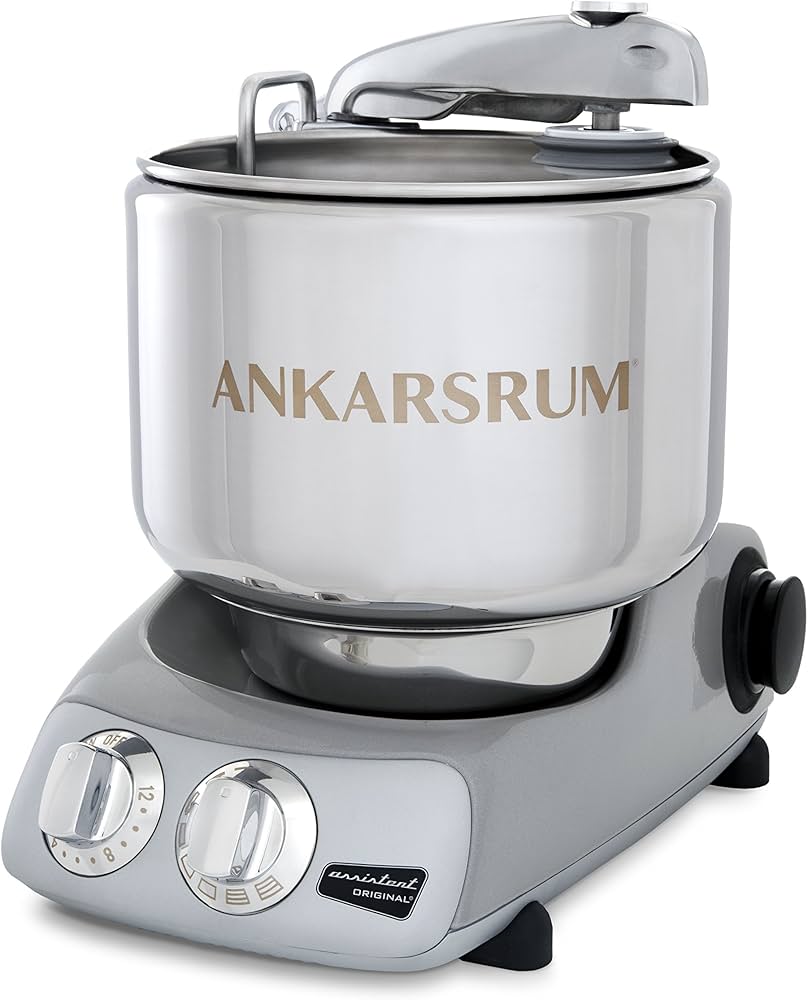
For those who prefer a traditional Scandinavian design, the Ankarsrum offers a different approach to mixing. It uses a rotating bowl with a stationary roller and scraper, which is exceptionally gentle on gluten development. This mechanism is ideal for delicate doughs that require long, slow mixing times. While it has a steeper learning curve than the Bosch, many professional bakers and serious enthusiasts consider it the gold standard for bread making.
These mixers are larger and heavier than standard countertop appliances, so ensure you have adequate counter space and storage. They are an investment in durability, often lasting decades with proper care. If your primary goal is consistent, high-volume bread baking, these models provide the mechanical advantage you need.


As an Amazon Associate, we may earn from qualifying purchases.
Tilt-head vs. bowl-lift: which stand mixer fits your kitchen?
Choosing between a tilt-head and a bowl-lift stand mixer usually comes down to two things: what you bake most often and how much counter space you have. Both designs mix dough effectively, but their mechanics change the user experience significantly.
Tilt-head mixers
Tilt-head models are the most recognizable stand mixers. The entire motor head tilts back to give you clear access to the bowl. This makes it easy to scrape down the sides of the bowl with a spatula or to switch attachments quickly.
They are generally lighter and more compact, making them a better fit for smaller kitchens. However, the tilt mechanism can be less stable when working with very heavy doughs. If you primarily bake cookies, cakes, or light breads, a tilt-head mixer is usually the right choice.
Bowl-lift mixers
Bowl-lift mixers use a sturdy base that lifts the bowl up into the mixing head. This design provides superior stability, which is essential for heavy tasks like kneading large batches of pizza dough or stiff cookie dough.
Because the bowl is locked in place, these mixers can handle larger capacities—often 5 quarts or more. They are typically heavier and take up more vertical space, so they are best suited for dedicated baking stations or larger kitchens where stability matters more than compactness.
| Feature | Tilt-Head | Bowl-Lift |
|---|---|---|
| Best For | Light to medium bakes | Heavy doughs & large batches |
| Bowl Access | Easy tilt-back access | Lifts bowl up to head |
| Stability | Good for most tasks | Superior for heavy loads |
| Footprint | Compact & lighter | Heavier & takes more space |


As an Amazon Associate, we may earn from qualifying purchases.
Keep your stand mixer running for years
A stand mixer is a heavy-duty kitchen workhorse, but it still needs basic care to stay reliable. Whether you own a Bosch Universal that handles stiff bread dough or a KitchenAid Artisan that creams butter effortlessly, simple maintenance prevents mechanical issues and keeps attachments working smoothly.

Flour and sugar can harden into a cement-like substance if left on the mixer body or bowl. Use a damp cloth to wipe the exterior and a soft brush to clean the beater arms and dough hook. Never submerge the motor head in water, as this can damage the internal gears.
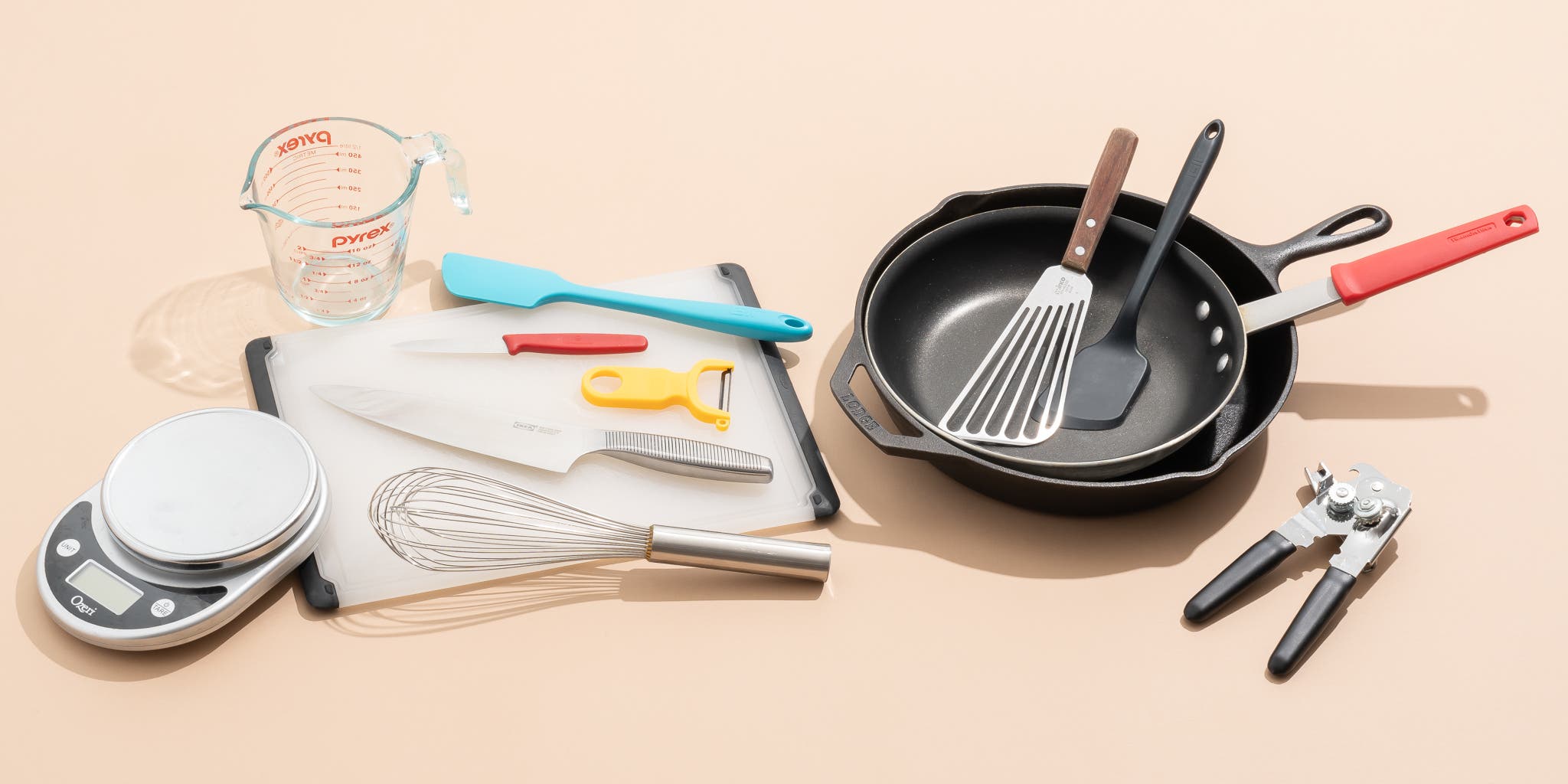
Most stand mixers use factory grease that can dry out over time, especially if you bake frequently. If you hear grinding noises or notice the mixer struggling with heavy dough, it may need fresh lubricant. Check your manufacturer’s manual to see if the grease is user-serviceable or if it requires a professional service.
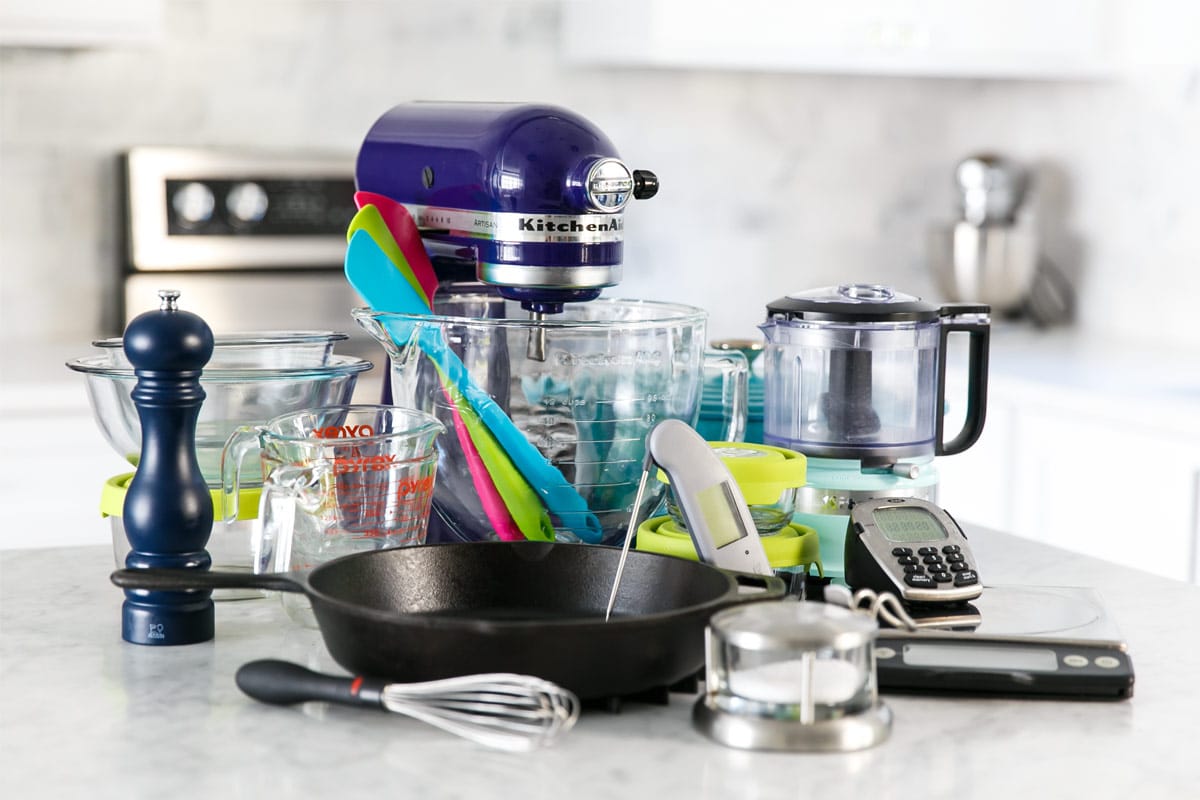
Metal attachments like whisks and flat beaters can rust if left damp. Dry them thoroughly before storing. Keep them in a dry drawer or hang them on a rack to prevent corrosion and ensure they remain sharp and effective for your next baking project.


As an Amazon Associate, we may earn from qualifying purchases.
Frequently asked questions about stand mixers
How much dough can a stand mixer handle?
Most standard 5-quart models handle up to 2 pounds of bread dough. If you bake large batches of cookies or cakes regularly, this size is sufficient. For heavy bread baking or large families, consider a 6-quart bowl-lift model, which can handle up to 7 pounds of dough.
Can I use attachments other than the brand’s own?
Yes, but compatibility varies. KitchenAid mixers use a universal hub that accepts attachments from other brands like Cuisinart or Hamilton Beach, provided they are designed for the tilt-head or bowl-lift mechanism. Bosch mixers, however, use a proprietary attachment system that only fits Bosch accessories. Always check the attachment type before buying.
What is the difference between tilt-head and bowl-lift mixers?
Tilt-head mixers are lighter and easier to access for scraping the bowl. They are ideal for everyday baking tasks. Bowl-lift mixers offer more stability for heavy doughs. The bowl slides up and locks into place, reducing wobble during vigorous kneading.
Do stand mixers come with a warranty?
Most major brands offer a one-year full warranty and a five-year limited warranty on parts and performance. KitchenAid and Bosch typically provide this standard coverage. Some retailers may offer extended warranty options, but the manufacturer’s warranty is usually sufficient for normal home use. Keep your receipt to validate the warranty period.
No comments yet. Be the first to share your thoughts!