Why your air fryer beats the oven
Your air fryer is essentially a powerful, compact convection oven with a specific job: to move hot air fast. That speed is the mechanical advantage. While a traditional oven relies on radiant heat and slower air circulation to cook through, the air fryer blasts the food with concentrated hot air from all sides. This rapid heat transfer crisps the exterior quickly while keeping the inside tender, mimicking the texture of deep-frying without the need for a vat of oil.
The result is efficiency. Because the cooking chamber is small and the fan is powerful, heat doesn't dissipate into the surrounding kitchen air. This means your air fryer recipes for weeknight dinners come together significantly faster than their oven counterparts. You aren't waiting for a large cavity to preheat, and the food itself cooks in a fraction of the time.
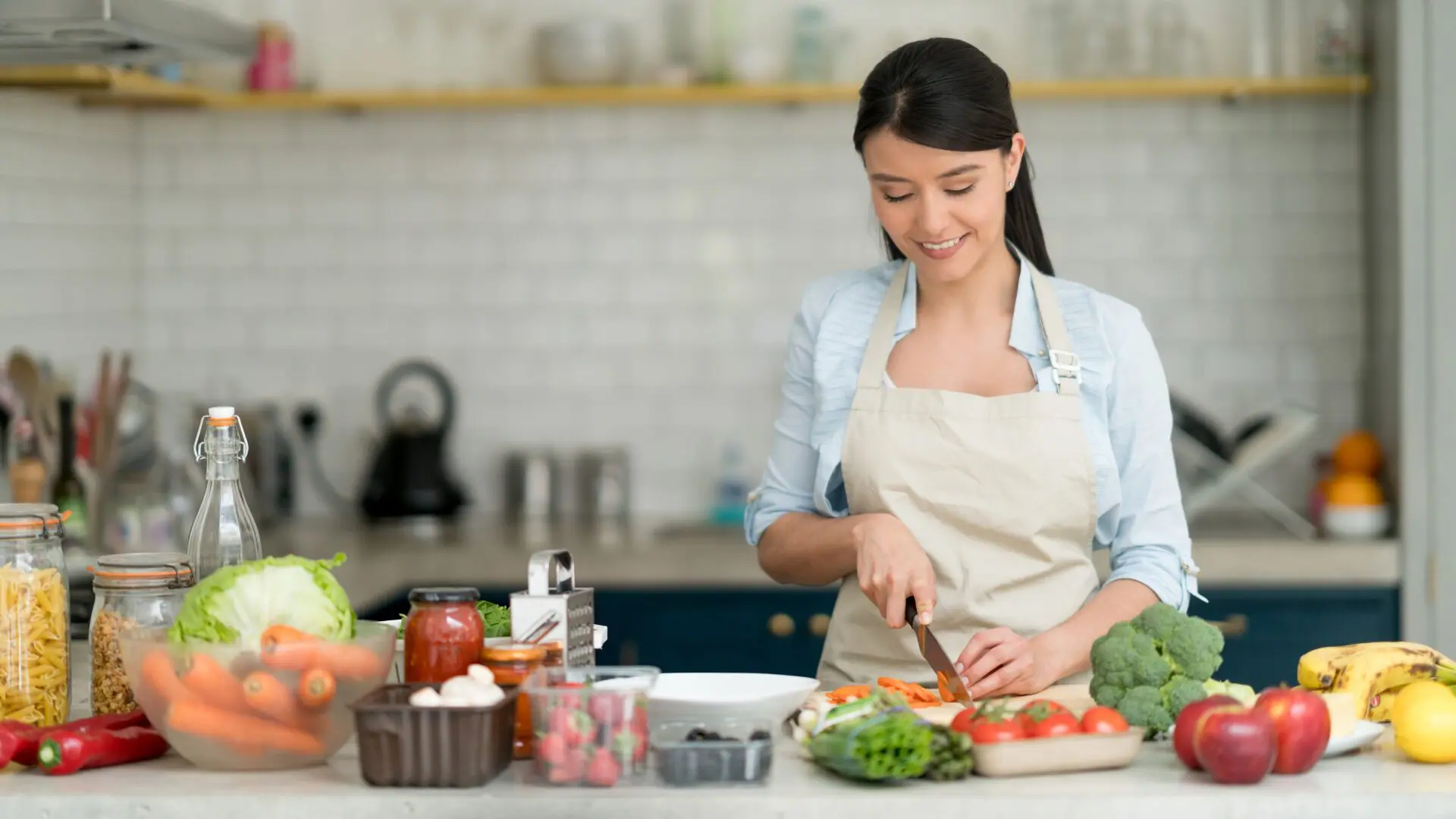
This speed translates directly to your evening routine. Instead of preheating a massive oven for a 20-minute meal, you can have crispy chicken thighs, roasted vegetables, or even reheated leftovers ready in 10 to 15 minutes. The concentrated convection doesn't just save time; it preserves the integrity of quick-cooking ingredients that might dry out in a slower oven. For busy weeknights, this mechanical edge turns "cooking" from a chore into a quick, reliable process.
Crispy garlic parmesan chicken skewers
Air fryers excel at browning proteins without the mess of a deep fryer. These skewers come out with a golden, crunchy crust while staying juicy inside. The high-speed air circulation mimics the effect of a convection oven but in a fraction of the time.
Prep the chicken
Cut 1 lb of boneless, skinless chicken thighs into 1-inch cubes. Thighs stay juicier than breasts in the air fryer. Toss them in a bowl with 2 tablespoons of olive oil, 1 minced garlic clove, 1 teaspoon of dried oregano, salt, and pepper. Let them marinate for 10 minutes while you prep the rest.
Assemble the skewers
Thread the chicken onto 4 metal or soaked wooden skewers. Leave a small gap between pieces to ensure air flows evenly around each cube. This spacing is the secret to getting that crispy exterior rather than steaming the meat.
Air fry to golden brown
Preheat your air fryer to 400°F (200°C). Place the skewers in the basket in a single layer. Cook for 10-12 minutes, flipping halfway through. The chicken is done when the internal temperature reaches 165°F (74°C) and the edges are caramelized.
Add the garlic parmesan finish
While the chicken cooks, mix 2 tablespoons of melted butter with 1 tablespoon of grated parmesan cheese and a pinch of red pepper flakes. Brush this mixture over the hot skewers immediately after removing them from the basket. The residual heat melts the cheese without burning it.
Serve these skewers with a simple side salad or roasted vegetables for a complete weeknight meal. The crispy texture pairs well with a cooling yogurt dip or a bright lemon vinaigrette.
Perfect salmon with lemon dill butter
Cooking salmon in an air fryer is a game-changer for weeknight dinners. The rapid air circulation creates a texture that rivals oven-baking but in half the time. However, fish is delicate. One minute too long and your dinner turns into dry, chalky rubber. The secret isn't just time; it's temperature control and a rich, fatty butter sauce to keep moisture locked in.
We are aiming for a final internal temperature of 145°F (63°C). This is the USDA safety standard, but many chefs pull it at 135°F for a moister, medium-rare finish. Since air fryers vary wildly in power, using a thermometer is your best friend. It removes the guesswork.
The Lemon Dill Butter
While the salmon cooks, make the sauce. This isn't just garnish; it's the flavor engine. Melt two tablespoons of unsalted butter with the juice of half a lemon, a tablespoon of fresh dill, and a pinch of garlic powder. The acid cuts through the richness of the fish, while the dill adds a fresh, herbal note that pairs perfectly with the crispy skin.
Cooking Steps
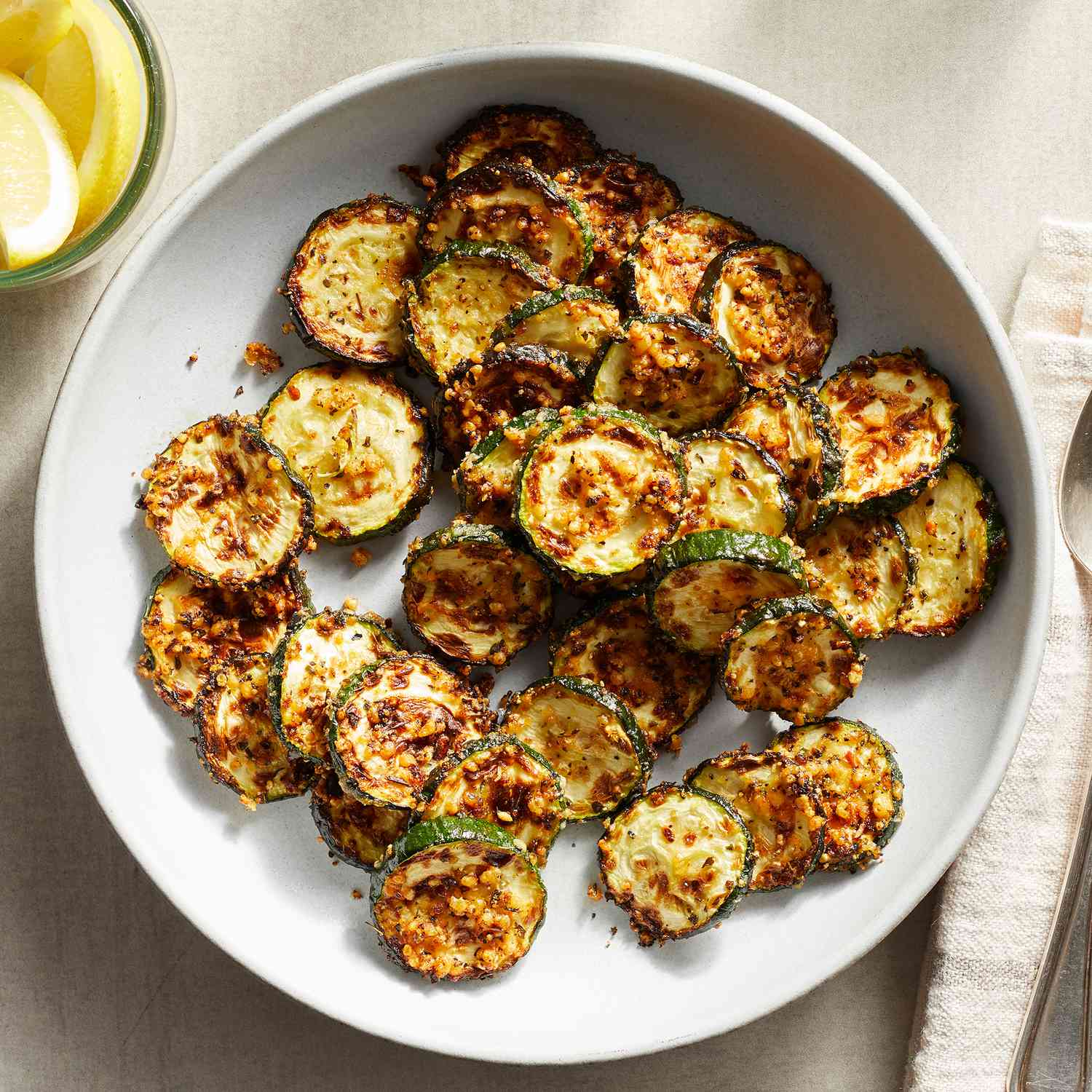
Pat your salmon fillets completely dry with paper towels. Moisture is the enemy of crispiness. Season both sides generously with salt and pepper. If your fillets have skin, leave it on; it protects the flesh from direct heat and helps hold the fillet together.
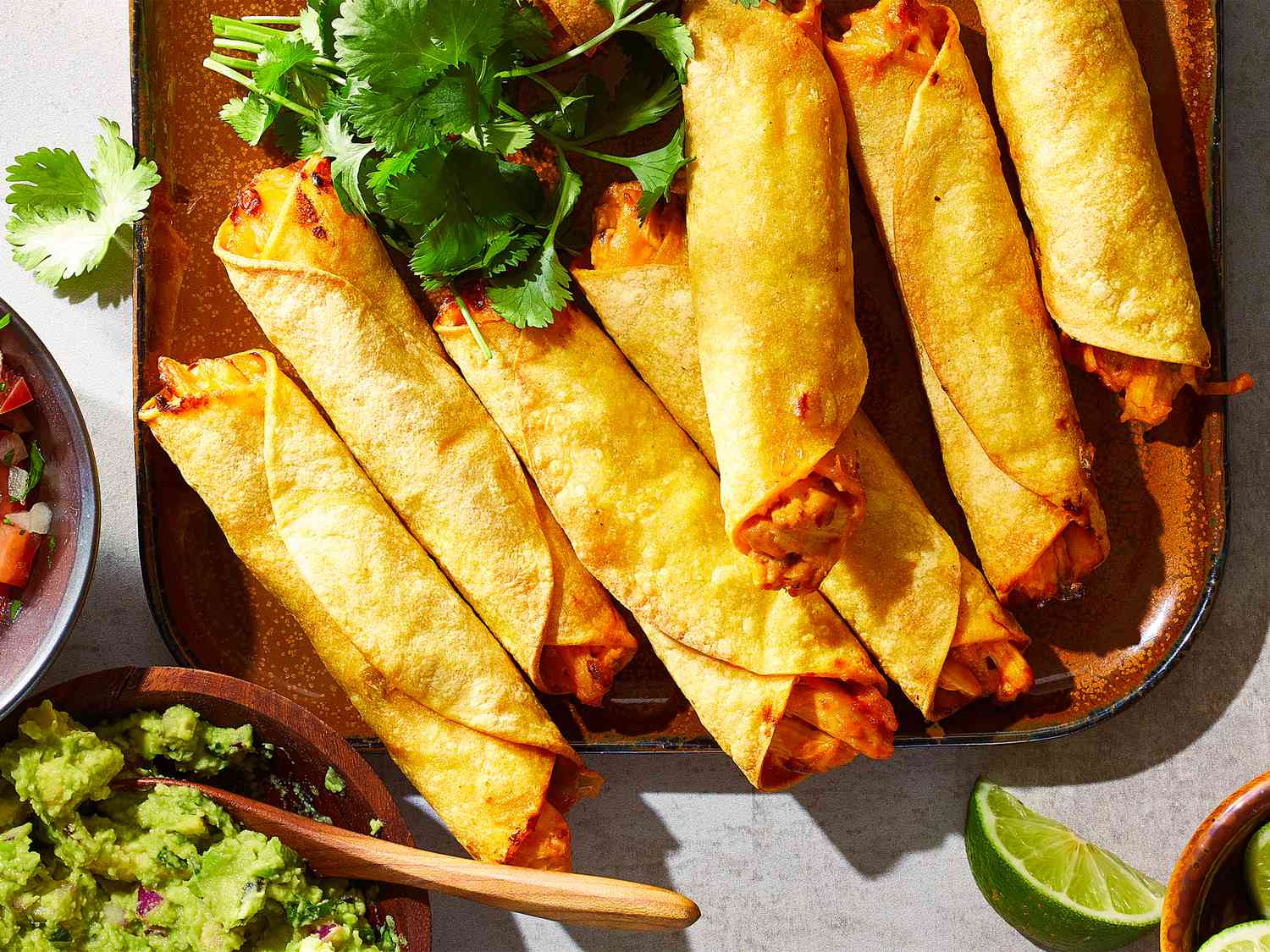
Preheat your air fryer to 400°F (200°C) for three minutes. A hot start is crucial for searing the outside quickly before the inside overcooks. This step ensures you get that desirable flaky texture rather than a steamed appearance.
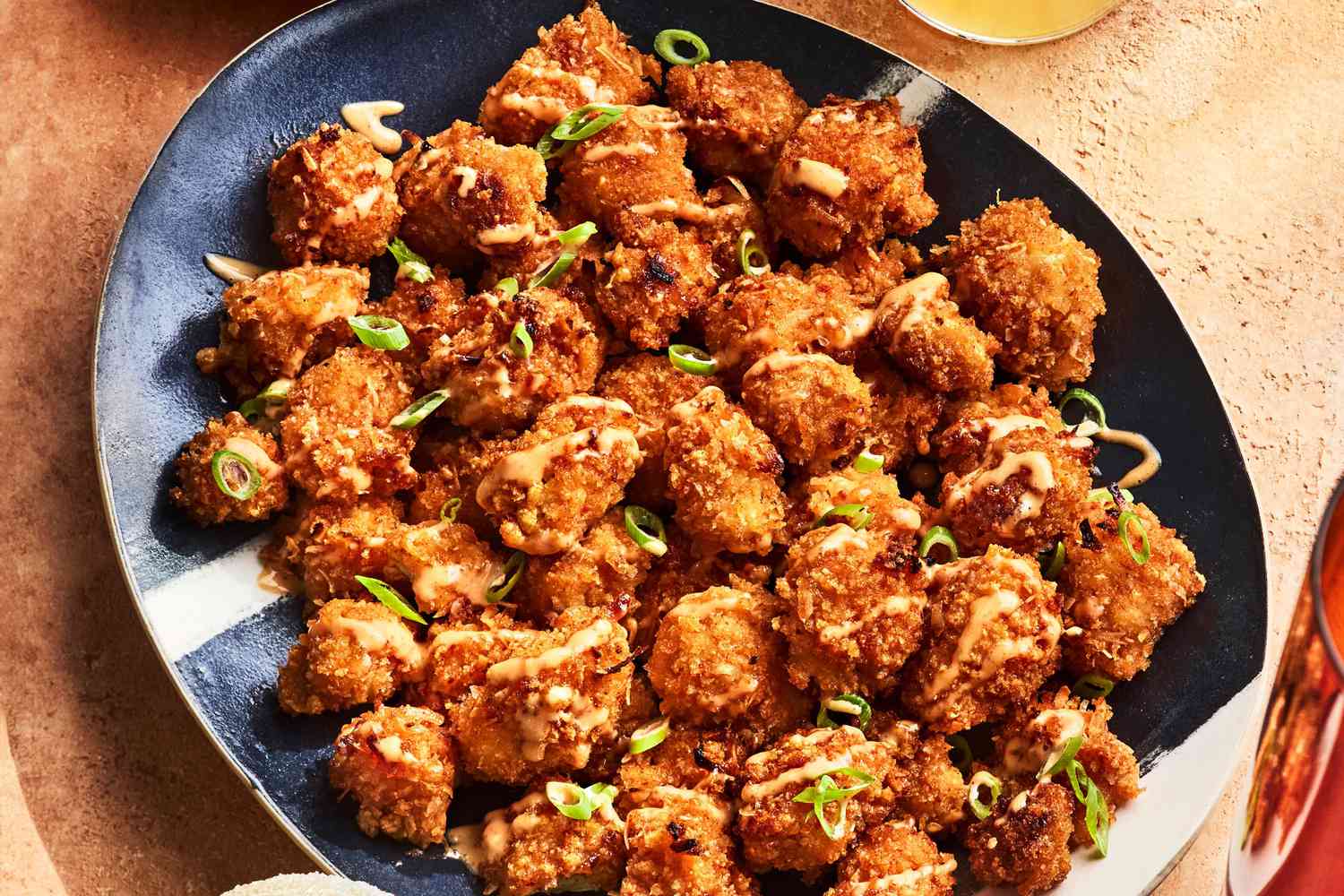
Place the fillets in the basket skin-side down. Do not overlap them. Cook for 8-10 minutes. The exact time depends on thickness. A one-inch thick fillet usually takes about 8 minutes. Check at the 7-minute mark to avoid overcooking.
In the last two minutes of cooking, brush the melted lemon dill butter over the top of the fillets. This prevents the butter from burning or dripping through the basket. Remove when the internal temperature hits your target. Let it rest for two minutes before serving to let the juices redistribute.
Troubleshooting Dry Salmon
If your salmon comes out dry, it was likely overcooked or the fillets were too thin. Thin fillets cook incredibly fast in an air fryer. If you have thinner pieces, reduce the time to 5-6 minutes. Always rely on the thermometer rather than the clock. The visual cue is when the flesh flakes easily with a fork but still looks slightly translucent in the very center.
This method works for any white fish or salmon. The key is respecting the short cook time and using the butter sauce to add back the moisture that the intense heat removes.
Roasted Broccoli with Chili Flakes
The biggest mistake people make with air-fryer vegetables is overcrowding the basket. When broccoli florets sit on top of each other, they trap moisture and end up steaming instead of roasting. The result is soggy, bitter green rather than crisp, caramelized florets. To get that desirable char, you need space. Spread the broccoli in a single layer so the hot air can circulate freely around every piece.
Start with fresh broccoli cut into uniform florets. Toss them in a bowl with olive oil, salt, and a pinch of garlic powder. The oil is essential—it conducts the heat and helps the exterior crisp up. Avoid heavy sauces or wet marinades at this stage; they will burn before the vegetable cooks through. Once coated, shake the basket to distribute the oil evenly before placing it in the preheated air fryer.
Cook at 400°F (200°C) for about 8 to 10 minutes. Give the basket a vigorous shake halfway through. This step ensures even browning and prevents any pieces from sticking to the bottom. You are looking for tender stems and crispy, dark-edged florets. If you prefer a deeper char, add another minute or two, but watch closely so the garlic powder doesn’t burn.
Remove the broccoli and immediately sprinkle with red chili flakes and a squeeze of fresh lemon juice. The heat will bloom the spices, releasing their aroma without making them bitter. Serve warm as a quick side dish or a protein-packed snack. This method works for cauliflower, asparagus, and green beans too—just adjust the time slightly based on thickness.
Pairing air fryer meals with instant pot
The Instant Pot and the air fryer are best friends when it comes to weeknight survival. They handle different jobs perfectly, letting you cook a full meal without standing over a stove. Think of the Instant Pot as your slow, steady engine for starches, while the air fryer acts as the quick, high-heat finisher for proteins and vegetables.
Grains and beans thrive in the Instant Pot. Dry lentils, brown rice, or quinoa go in with water, and you set it to "Pressure Cook." You walk away. While those simmer under pressure, you prep your dinner. This is where the magic happens: you aren't waiting for water to boil or stirring grains that stick to the bottom. The Instant Pot does the boring, time-consuming work while you chop, season, and load the air fryer basket.
Once the grains are done and resting, turn your attention to the air fryer. Chicken thighs, salmon fillets, or even broccoli florets cook faster here than in a conventional oven. The hot air circulates rapidly, creating crispy edges on meats and tender-crisp textures on veggies. Because the air fryer doesn't require preheating for long periods, you can start it immediately after loading the Instant Pot.
Here is how the timing breaks down for a typical grain-and-protein combo:
| Task | Instant Pot | Air Fryer |
|---|---|---|
| Cooking dry lentils | 12 mins pressure + 10 mins natural release | N/A |
| Cooking chicken thighs | N/A | 18-20 mins at 400°F |
| Roasting broccoli | N/A | 6-8 mins at 375°F |
This division of labor cuts your active cooking time in half. You aren't juggling pots and pans or watching two burners. You just coordinate the start times. When the Instant Pot beeps, your grains are fluffy and ready. When the air fryer timer ends, your protein is golden and hot. Plate them together, and you have a complete, healthy dinner with minimal cleanup.
Fixing Soggy or Uneven Air Fryer Results
Even the best air fryer recipes can fail if the basket is overcrowded or the food isn't prepped right. Think of your air fryer like a tiny convection oven; it needs space for hot air to circulate. If pieces are touching, they steam instead of crisp, leading to soggy bottoms and uneven cooking.
The fix is simple: cook in batches. It’s better to have two smaller batches than one giant, steamed mess. Also, always shake the basket halfway through the cook time. This ensures every side gets direct exposure to the heating element.
To keep your weeknight dinners consistent, run through this quick pre-flight checklist before you press start:
-
Preheat the air fryer for 3 minutes
-
Pat ingredients dry with a paper towel
-
Lightly spray with oil for crispiness
-
Shake the basket halfway through cooking
Frequently asked questions about air frying
Can you put aluminum foil in an air fryer? Yes, but with caution. Small sheets of foil work well for catching drips under foods like chicken thighs or bacon, preventing mess and easing cleanup. However, never cover the entire basket. The air fryer relies on rapid air circulation to cook food evenly; blocking the airflow with foil can lead to undercooked food and potentially damage the heating element. Always weigh the foil down with food so it doesn't fly up into the heating coil.
Do you need to use oil in an air fryer? You don't need oil, but a little goes a long way. While the appliance crisps food using hot air, a light spray or toss with oil helps conduct heat for that golden-brown texture. For weeknight veggies or frozen fries, a quick mist of olive or avocado oil improves crunch without adding significant calories. Skip it entirely for foods with natural fats, like salmon or sausages.
How do you prevent food from drying out? Overcrowding is the main culprit. Air fryers cook quickly, and stacking food traps steam, making items soggy or drying them out as they overcook. Cook in batches to ensure air can circulate freely around each piece. Additionally, shake the basket or flip food halfway through the cooking time. This ensures even exposure to heat and keeps everything juicy.
Can you cook raw meat in an air fryer? Absolutely. Air fryers are excellent for cooking raw proteins like chicken breasts, pork chops, and burgers. The key is internal temperature, not just time. Use a meat thermometer to ensure safety: 165°F for poultry, 145°F for pork and beef steaks. Let meat rest for a few minutes after cooking to redistribute juices, just as you would with oven-roasted dishes.
No comments yet. Be the first to share your thoughts!