
The Shifting Sands of Non-Stick: A History of Concerns
Non-stick cookware revolutionized home cooking in the 20th century. The introduction of Teflon, a brand of PTFE (polytetrafluoroethylene) developed by DuPont, promised effortless food release and easier cleanup – a dream for many cooks. Initially, it was hailed as a miracle material, but over time, concerns began to surface regarding the manufacturing process and the health effects of a chemical used in its production: PFOA.
Perfluorooctanoic acid (PFOA) was a processing aid used to make Teflon, and it proved remarkably persistent in the environment and the human body. Studies linked PFOA exposure to various health problems, including certain types of cancer, thyroid disease, and immune system dysfunction. The 2006 documentary Dark Waters brought significant attention to the issue, detailing the legal battle between residents of Parkersburg, West Virginia, and DuPont over PFOA contamination of the local water supply.
The Environmental Protection Agency (EPA) became involved, issuing health advisories and eventually requiring manufacturers to phase out the use of PFOA by 2015. This led to a scramble within the cookware industry to find alternative non-stick solutions. This history matters because those safety worries still shape how we buy pans today.
The Dupont case wasn't just about environmental contamination, it was about corporate responsibility and transparency. It showed why we need independent research and regulation when it comes to chemicals used in products we bring into our homes. While PFOA is no longer used in the production of Teflon, the questions surrounding the safety of non-stick coatings didn't simply disappear with its removal.
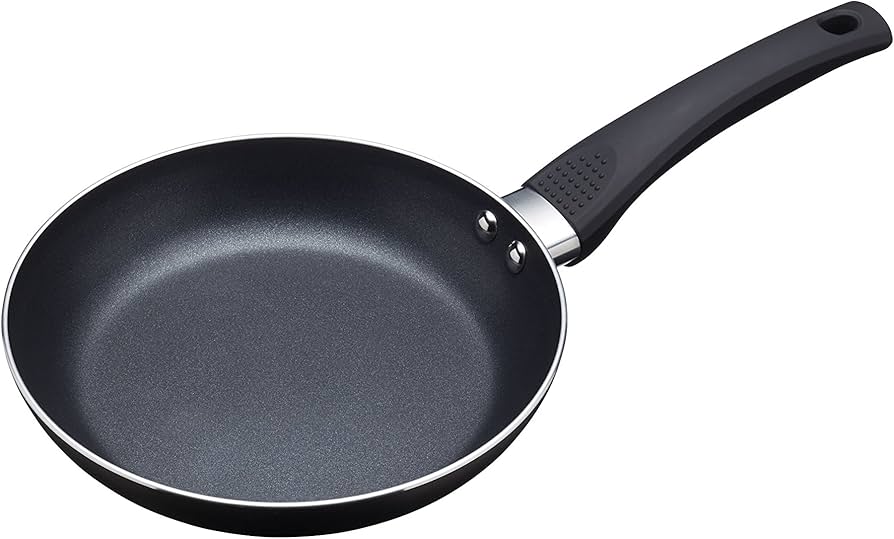
What Does 'PFOA-Free' Actually Mean in 2026?
Seeing "PFOA-free’ on a non-stick pan doesn’t automatically guarantee it"s the safest option available. The phase-out of PFOA prompted manufacturers to seek alternatives, but some replacements have raised their own concerns. The FDA currently authorizes the use of certain PFAS (per- and polyfluoroalkyl substances) in food contact applications, but continues to monitor research and reassess safety as new information emerges (fda.gov).
One common replacement is GenX, another PFAS chemical. While marketed as a safer alternative, GenX has also been linked to potential health risks, and its long-term effects are still being studied. Another prevalent option is PTFE, the base polymer of Teflon itself. PTFE is considered relatively inert and safe when used correctly – meaning it’s not overheated – but the manufacturing process can still involve the use of PFAS chemicals.
Beyond these, you’ll find cookware marketed with ceramic coatings. These are often marketed as "PFOA-free’ and ‘PTFE-free’, but the term ‘ceramic’ can be misleading. Many ceramic non-stick coatings are actually a silicone-based polymer with ceramic-like particles added for durability. These coatings tend to lose their non-stick properties more quickly than PTFE-based coatings and may contain other chemicals of concern. It’s a matter of understanding the whole picture, not just the ‘PFOA-free" label.
The key takeaway is that "PFOA-free’ is a starting point, not a finish line. It’s important to investigate what replaced the PFOA and to understand the potential risks associated with those alternatives. Don"t assume a pan is safe simply because it lacks one specific chemical.
Non-Stick Coating Comparison – 2026 Outlook
| Coating Type | Durability | Heat Resistance | Reactivity | Environmental Impact |
|---|---|---|---|---|
| PTFE (PFOA-Free) | Moderate | High | Low | Moderate |
| Ceramic | Low to Moderate | Moderate | Very Low | Moderate |
| Silicone (as coating) | Low | Low to Moderate | Very Low | Low |
| Enamel (over metal) | High | Moderate | Very Low | Moderate |
| Diamond-Infused Non-Stick | Moderate to High | High | Very Low | Moderate |
| Hybrid PTFE/Ceramic | Moderate | High | Low | Moderate |
Illustrative comparison based on the article research brief. Verify current pricing, limits, and product details in the official docs before relying on it.
CAROTE 33pcs Pots and Pans Non Stick, Cookware Sets Detachable Handle, Induction Kitchen Pots and Pans, NonStick Cooking Set, Oven/Dishwasher/Fridge Safe, Space Savinghttps://t.co/aLg0l4swrp@amazon
— Adil Turhan (@adilturhan0) April 12, 2026
Decoding the Coating Landscape: PTFE, Ceramic, and Beyond
PTFE, despite its past association with PFOA, remains the most durable and consistently effective non-stick coating available today. Modern PTFE cookware is manufactured without PFOA, and the PTFE polymer itself is considered stable and non-reactive at normal cooking temperatures. However, overheating PTFE releases fumes that can cause polymer fume fever, a temporary flu-like illness.
Ceramic coatings, often marketed as "eco-friendly", offer a less durable alternative. They typically consist of a silicone-based polymer with added ceramic particles. While they perform well initially, the non-stick properties tend to degrade relatively quickly, often within a year of regular use. They are also more susceptible to scratching and damage. I find the marketing around ceramic coatings often overstates their longevity and safety benefits.
Other coatings exist, including those based on sol-gel technology. These aim to combine the durability of PTFE with the perceived safety of ceramic coatings. However, they are less common and their long-term performance and safety profiles are still being evaluated. The DI ORO website highlights the importance of quality materials in preventing degradation, even in PTFE coatings.
In my experience, PTFE coatings, when used responsibly (more on that later), offer the best balance of performance and durability. While ceramic coatings may appeal to those seeking a "natural" alternative, their limited lifespan and potential for quicker degradation make them less practical for everyday cooking.
Safe Cooking Practices with Non-Stick: Temperature Limits Matter
Even "safe" non-stick cookware has its limits, and exceeding those limits can release harmful fumes and degrade the coating. Overheating any non-stick pan, regardless of the coating type, is a serious concern. PTFE, in particular, begins to break down at around 500°F (260°C), releasing fumes that can cause polymer fume fever.
Ceramic coatings are generally less heat-resistant than PTFE, and may begin to degrade at lower temperatures. It’s crucial to avoid using high heat with any non-stick pan. Always cook over medium or low heat, and never leave an empty pan on a hot burner. Proper ventilation is also essential; use a range hood or open a window while cooking.
To prevent overheating, avoid using metal utensils that can scratch the coating. Use silicone, nylon, or wooden utensils instead. Also, avoid using abrasive cleaners, which can damage the coating and reduce its effectiveness. A soft sponge and mild dish soap are usually sufficient for cleaning. Knowing your pan’s temperature limit is critical.
Made In cookware provides detailed guidance on maintaining non-stick surfaces, emphasizing the importance of gentle cleaning and avoiding extreme temperatures. It's a good practice to check the manufacturer's instructions for specific temperature recommendations for your pan.
- Keep temperatures low to medium.
- Never leave a pan empty on a hot burner.
- Use silicone, nylon, or wooden utensils.
- Avoid abrasive cleaners.
- Ensure adequate ventilation.
Choosing the Right Pan for the Job: Material and Use Case
Non-stick cookware isn’t always the best choice for every cooking task. While it excels at delicate foods like eggs and fish, other materials may be more suitable for certain applications. Stainless steel is ideal for searing meats and creating fond (the browned bits on the bottom of the pan), while cast iron is excellent for high-heat cooking and achieving a crispy crust.
For tasks where food is prone to sticking, a non-stick pan is invaluable. Omelet pans, crepe pans, and pans for cooking delicate fish fillets are all good candidates. However, for tasks like browning, sautéing vegetables at high heat, or making sauces that require deglazing, stainless steel or cast iron are generally better options.
Consider the shape and size of the pan as well. A wide, shallow sauté pan is ideal for stir-frying, while a deep saucepan is better for making sauces and soups. A smaller omelet pan is perfect for making individual omelets, while a larger frying pan is more versatile for general cooking. It's about matching the tool to the task.
Don’t feel like you need a complete set of non-stick cookware. A good 8-inch and 12-inch pan are usually enough for most kitchens.on-stick pan will cover most everyday cooking needs. Supplement these with stainless steel and cast iron pans for tasks where non-stick isn’t essential.
Caring for Your Investment: Extending the Life of Non-Stick
Proper care is crucial for maximizing the lifespan of your non-stick cookware. Avoid harsh cleaning agents and abrasive scrubbers, which can damage the coating. Hand washing is always preferable to dishwashing, as the high heat and harsh detergents in dishwashers can accelerate wear and tear.
When hand washing, use a soft sponge or cloth and mild dish soap. Avoid steel wool or scouring pads. If food is stuck, soak the pan in warm, soapy water for a few minutes before attempting to remove it. For stubborn residue, you can try simmering a mixture of water and baking soda in the pan.
Store non-stick pans carefully to prevent scratches. Avoid stacking them directly on top of each other; use pan protectors or hang them from a rack. Do not store metal utensils in the pan, as they can scratch the coating. Regularly inspect your pans for signs of wear and tear. If the coating is significantly damaged, it’s time to replace the pan.
A common myth is that you can "season" a non-stick pan like you would cast iron. This is not necessary and can actually damage the coating. Non-stick coatings are designed to be inherently non-stick and do not require seasoning. Proper cleaning and storage are the keys to longevity.
- Hand wash with a soft sponge and mild soap.
- Avoid abrasive cleaners and scrubbers.
- Store pans with protectors.
- Inspect for damage regularly.
Brands to Consider (and Avoid) in 2026: Expert Picks
Based on my research and testing, several brands consistently deliver high-quality, durable, and relatively safe non-stick cookware. Scanpan stands out for its exceptionally durable ceramic-titanium hybrid coating, known for its longevity and resistance to scratches. Their pans are more expensive, but they tend to last significantly longer than cheaper alternatives.
Made In also offers excellent PTFE-based non-stick cookware, prioritizing quality materials and construction. Their pans are known for their even heating and comfortable handles. DI ORO highlights the importance of a thick, multi-layer construction in their cookware, which contributes to even heat distribution and prevents hot spots. Their range includes both PTFE and ceramic options.
I’d be more cautious about brands that rely heavily on marketing buzzwords like "ultra-ceramic’ without providing detailed information about the coating composition. Extremely cheap non-stick pans often use lower-quality coatings that degrade quickly and may contain higher levels of potentially harmful chemicals. It"s worth investing in a higher-quality pan that will last longer and provide a safer cooking experience.
Ultimately, the best brand for you will depend on your budget and cooking style. However, prioritizing quality materials, durable construction, and transparent information about the coating is essential. Avoid brands that make unsubstantiated claims or lack detailed product specifications. Researching reviews and seeking out independent testing data can also be helpful.
Top PFOA-Free Non-Stick Cookware Sets for a Safer Kitchen in 2026
Thermolon healthy ceramic nonstick coating · Free of PFOA, PFAS, lead, and cadmium · Hard-anodized aluminum for durability
This set offers a robust, PFOA-free ceramic nonstick surface that ensures healthy cooking and easy cleanup, making it an excellent choice for safety-conscious home chefs.
Titanium reinforced nonstick interior · Thermo-Spot technology indicates ideal cooking temperature · PFOA-free, lead-free, and cadmium-free
The T-fal Ultimate set provides a durable, PFOA-free nonstick experience with advanced heat indicators, ensuring consistent results and long-lasting performance.
Ceramic nonstick coating made without PFOA or PTFE · Includes storage solutions · Ventilated lids
Caraway offers a stylish and safe PFOA-free ceramic nonstick option that integrates seamlessly into modern kitchens, prioritizing both health and design.
Stratum-Tec nonstick coating · PFOA-free construction · Durable hard-anodized aluminum
This Scanpan set delivers exceptional nonstick performance and durability without harmful chemicals, ideal for everyday frying and sautéing.
Total Food Release System with PFOA-free nonstick · Hard-anodized aluminum construction · Comfort grip handles
The Circulon Symmetry set is engineered for superior durability and a reliable PFOA-free nonstick surface, ensuring food releases easily and cleanup is effortless.
As an Amazon Associate I earn from qualifying purchases. Prices may vary.

No comments yet. Be the first to share your thoughts!