
The real risk of PFAS
PFAS are man-made chemicals used since the 1940s to repel water and oil. They were the backbone of original Teflon pans. These 'forever chemicals' don't break down, and we now know they stay in our blood and environment for decades, which is why the shift away from them is happening so fast.
The initial worry stemmed from the manufacturing process of PFOA, a specific PFAS used in Teflon, and its contamination of water supplies near DuPont facilities. Subsequent research, including a 2023 report by the Environmental Protection Agency, has expanded the scope of concern to include a much broader range of PFAS. These chemicals don’t break down easily in the environment or the human body, and exposure has been linked to a variety of health issues including immune deficiencies, certain cancers, and developmental effects.
We're paying more attention now because testing is better. We can see PFAS at much lower levels than we could ten years ago. The EPA is also setting stricter limits on drinking water, which has pushed cookware brands to find alternatives before new laws force their hand.
What 'PFAS-free' actually means
The term "PFAS-free" is becoming increasingly common, but its meaning is surprisingly complex. In 2026, it doesn't necessarily mean a product contains absolutely no fluorine, which is a key component in all PFAS chemicals. Many manufacturers are shifting to using short-chain PFAS, which are argued to be less bioaccumulative, but their long-term health effects are still being studied and are not fully understood.
The lack of a standardized definition is a significant issue. Some companies define "PFAS-free’ as excluding only PFOA and PFOS – the two most studied and regulated PFAS. Others claim ‘PFAS-free" while still utilizing other PFAS compounds. This ambiguity makes it difficult for consumers to make informed choices. It's essential to look beyond marketing claims and investigate the specific chemicals used in the product’s construction.
Third-party certifications can offer some reassurance. Certifications like those from NSF International or UL Solutions verify that a product has been tested and meets specific criteria for PFAS content. However, even these certifications vary in their stringency. When evaluating claims, look for certifications that explicitly state the product is free from all intentional PFAS additions, not just a select few.
- PFOA: The original Teflon chemical, now mostly gone from factories but still in the soil and water.
- PFOS: Perfluorooctanesulfonic acid – another widely used PFAS with known health risks.
- Short-chain PFAS: Newer alternatives, but long-term effects are still unknown.
Top PFAS-Free Nonstick Options (2026)
The market for PFAS-free nonstick cookware has expanded rapidly, offering consumers more choices than ever before. However, performance varies significantly. Here are several options that stand out in 2026, based on testing and user reviews.
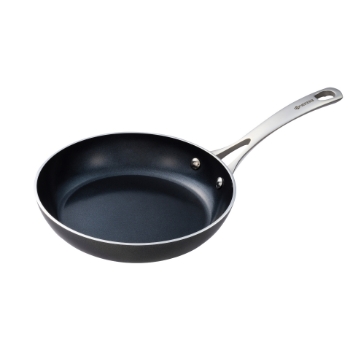
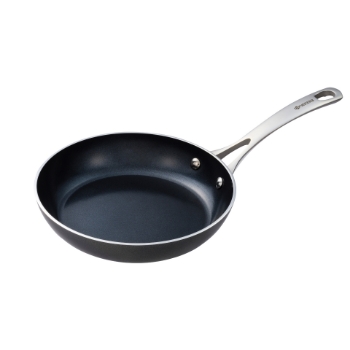
Made In Ceramic Nonstick: Using a ceramic coating reinforced with titanium, Made In pans heat quickly and offer good food release. The construction features a heavy-gauge aluminum core for even heating, and they’re generally durable, though not as resistant to abrasion as some traditional nonstick options. Price range: $79 - $249 per piece. Pros: Even heating, good nonstick, stylish design. Cons: Coating can degrade with high heat or abrasive cleaning.
Scanpan Stratanium: Scanpan utilizes a proprietary Stratanium coating, a ceramic-titanium hybrid. These pans are known for their exceptional durability and heat retention. They are more expensive than many other options, but their longevity justifies the investment for frequent cooks. Price range: $150 - $400 per piece. Pros: Extremely durable, excellent heat retention, superior nonstick. Cons: High price point.
Caraway Cookware: Caraway’s ceramic-coated cookware is popular for its aesthetic appeal and ease of cleaning. The pans feature a nonstick ceramic coating applied to an aluminum base. While they perform well initially, some users report a decline in nonstick performance over time with heavy use. Price range: $99 - $399 per set. Pros: Attractive design, easy to clean, good initial nonstick. Cons: Durability concerns with prolonged use.
DI ORO Hybrid Ceramic: DI ORO focuses on providing high-performance cookware at a more accessible price point. Their hybrid ceramic coating features a multi-layer construction for enhanced durability and nonstick properties. They also emphasize sustainable manufacturing practices. Price range: $50 - $150 per piece. Pros: Affordable, good nonstick, sustainable practices. Cons: May not be as durable as higher-end options.
GreenPan Valencia Pro: GreenPan pioneered the use of Thermolon ceramic nonstick coating. Their Valencia Pro line offers a durable ceramic coating reinforced with diamonds. The pans are oven-safe and compatible with all stovetops. Price range: $80 - $200 per piece. Pros: Durable ceramic coating, oven-safe, compatible with all stovetops. Cons: Can be prone to staining if not cleaned promptly.
Is ceramic actually the best choice?
Currently, ceramic nonstick coatings represent the most prevalent PFAS-free alternative in the cookware market. These coatings typically consist of a silicon-based polymer applied to a metal base, most commonly aluminum. They function by creating a smooth, low-energy surface that prevents food from sticking during cooking.
Ceramic nonstick’s advantages are clear: generally excellent food release, relatively even heating, and the absence of PFAS. However, they are not without limitations. Compared to traditional PTFE (Teflon) nonstick, ceramic coatings tend to degrade faster, losing their nonstick properties over time with regular use. They are also more sensitive to high heat, which can accelerate the breakdown of the coating.
The durability of ceramic coatings varies significantly depending on the specific formulation. Coatings reinforced with titanium or diamonds, like those found in Scanpan or GreenPan’s higher-end lines, tend to be more durable than basic ceramic coatings. There have been concerns raised about the potential presence of heavy metals, like lead and cadmium, in some ceramic coatings, although reputable brands adhere to strict safety standards and testing protocols.
PFAS-Free Nonstick Coating Comparison (2026)
| Brand/Coating | Durability | Heat Resistance | Food Release | Price |
|---|---|---|---|---|
| GreenPan Thermolon Ceramic | Good | Medium | Good | $$ |
| Caraway Ceramic | Fair | Medium | Very Good | $$$ |
| Scanpan Stratanium Ceramic | Excellent | High | Excellent | $$$ |
| Blue Diamond Ceramic | Fair | Low | Good | $ |
| HexClad Hybrid Ceramic | Good | High | Very Good | $$$ |
| All-Clad Ceramic | Good | Medium | Good | $$ |
| T-fal Ultimate Hard Anodized Ceramic | Fair | Medium | Fair | $ |
Illustrative comparison based on the article research brief. Verify current pricing, limits, and product details in the official docs before relying on it.
How to make these pans last
Extending the life of your PFAS-free nonstick cookware requires diligent care. Avoid using abrasive cleaners, scouring pads, or steel wool, as these can damage the coating. Instead, opt for gentle dish soap and a soft sponge or cloth. Hand washing is generally recommended, although many pans are labeled as dishwasher safe, frequent dishwasher use can accelerate wear.
Proper seasoning isn't typically required for ceramic or other PFAS-free coatings, but a light coating of oil after washing can help maintain the nonstick properties. Always use silicone, nylon, or wooden utensils to prevent scratching the surface. Avoid overheating the pan, as high heat can degrade the coating over time. Start with medium heat and gradually increase as needed.
Storing your pans carefully is also crucial. Avoid stacking them directly on top of each other, as this can cause scratches. Use pan protectors or hang them to prevent damage. If the coating begins to show signs of wear, such as significant scratching or peeling, it’s time to consider replacing the pan.
When to Replace Your Pan
Even with careful use, all nonstick cookware eventually wears out. The signs of a failing coating are clear: significant scratching, peeling, or a noticeable loss of nonstick properties. Continuing to use a pan with a damaged coating isn't just frustrating; it could potentially pose a health risk, as small particles of the coating may flake off into your food.
While PFAS-free coatings are generally considered safer than older PTFE-based options, it’s still best to err on the side of caution. Once the coating is compromised, it’s time to replace the pan. Consider the environmental impact of disposal. Some municipalities offer recycling programs for cookware, while others may require disposal as regular waste.
Replacing a pan might seem inconvenient, but it's a responsible choice for both your health and the quality of your cooking. Investing in durable, well-maintained PFAS-free cookware is a sustainable approach to enjoying the convenience of nonstick cooking.

No comments yet. Be the first to share your thoughts!