
Welcome to Instant Pot Cooking
Okay, let's talk Instant Pots. They seem intimidating, I get it. So many buttons, so much talk about pressure – it can feel like you need a degree in engineering just to make rice. But honestly, an Instant Pot is a game-changer for anyone who wants good food, fast, and with a lot less fuss. It’s basically a multi-cooker. It pressure cooks, slow cooks, steams, sautés, makes yogurt… the list goes on.
At its heart, it’s about convenience. You can throw ingredients in, set it, and walk away, knowing you’ll have a delicious, reliably cooked meal when you return. It’s also fantastic for consistent results, which is especially helpful if you’re still building confidence in the kitchen. If you’re someone who wants to eat well but doesn’t always have hours to spend cooking, this is a tool worth exploring.
There are a few different models out there – the Duo is a popular all-rounder, the Pro offers more features, and the Max is geared towards serious cooks. Don’t get too hung up on the specifics right now. Most of the techniques we’ll cover in this guide will apply to pretty much any Instant Pot you have. This is about building a foundation, understanding how it works, and then adapting to your specific model.
Essential Parts & Safety First
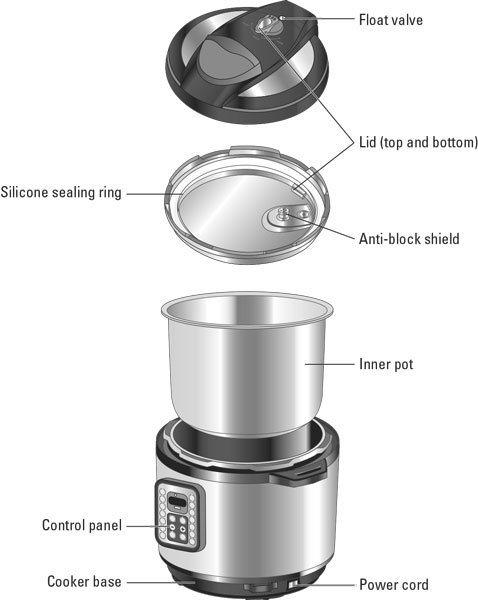
The Instant Pot has several key parts. The inner pot holds the food. The lid is essential for building pressure. The sealing ring inside the lid creates an airtight seal. The steam release valve manages pressure release, and the anti-block shield stops food from clogging the valve. The condensation collector catches extra liquid. Understanding these parts is the first step to using the appliance.
Now, let's talk safety. This is really important. Make sure the sealing ring is properly seated in the lid every single time. It seems obvious, but it's easily overlooked. The steam release valve needs to be clear and unobstructed. And never try to force the lid open while the Instant Pot is pressurized. That’s a big no-no.
There are two ways to release pressure: natural pressure release (NPR) and quick release (QR). NPR means letting the pressure dissipate on its own, which takes longer but is good for things like soups and stews. QR means manually releasing the pressure by opening the steam release valve, which is faster but can splatter. Always follow recipe instructions regarding pressure release. It's better to be safe than sorry. Honestly, I was nervous at first, but once you understand the basics, it becomes second nature.
20 Techniques to Master
Here are twenty techniques to help you master your Instant Pot. Start with a few basics and gradually incorporate more.
1. Pressure Cooking Chicken: Whole chicken, breasts, thighs – it all cooks beautifully in the Instant Pot. It’s incredibly tender and flavorful.
2. Cooking Rice: Forget stovetop rice disasters. The Instant Pot makes perfect rice every time. A 1:1 water-to-rice ratio usually works well, but check your model’s instructions.
3. Making Stock: Homemade stock is a flavor bomb, and the Instant Pot makes it easy. Use leftover bones and vegetable scraps.
4. Hard-Boiled Eggs: The Instant Pot makes perfectly peelable hard-boiled eggs. Seriously, it’s a game changer.
5. Beans From Dry: No more soaking! Cook dried beans quickly and easily.
6. Sautéing: Use the sauté function to brown meat or vegetables before pressure cooking.
7. Steaming Vegetables: A healthy and quick way to cook vegetables.
8. Yogurt Making: Yes, you can make yogurt in your Instant Pot. It takes time, but it’s worth it.
9. Slow Cooking: The Instant Pot can also function as a slow cooker.
10. Pot-in-Pot Cooking: Cook multiple dishes simultaneously using heat-safe containers inside the Instant Pot.
11. Reheating Leftovers: Reheat leftovers quickly and evenly.
12. Making Soup: Pressure cooking breaks down ingredients for incredibly flavorful soups.
13. Cooking Pasta: Perfectly cooked pasta in minutes.
14. Making Cheesecake: Surprisingly, the Instant Pot can make a creamy, decadent cheesecake.
15. Ribs: Fall-off-the-bone ribs in a fraction of the time.
16. Chili: A hearty and flavorful chili that’s perfect for a cold day.
17. Risotto: Creamy, perfectly cooked risotto without constant stirring.
18. Pulled Pork: Tender, flavorful pulled pork that’s great for sandwiches or tacos.
19. Stews: Hearty stews that are perfect for a cozy night in.
20. Braising: Tenderize tough cuts of meat with the braising function.
Troubleshooting Common Issues
Let’s be real: things don’t always go perfectly. Food burning is a common concern. Usually, this happens when there isn’t enough liquid in the pot, or food is stuck to the bottom. Always deglaze the pot after sautéing to prevent sticking. Liquid leaking can occur if the sealing ring isn’t seated properly or the lid isn’t fully locked. The dreaded "Burn" message typically means food is stuck to the bottom and needs more liquid. Quick release can sometimes cause splattering, so be careful.
Dealing with steam release issues is also important. If the steam isn't releasing, double-check that the valve isn't blocked. And let's talk about sealing ring odors. They will absorb smells, especially from things like garlic and chili. Having a separate sealing ring for savory and sweet dishes is a good idea. You can also try soaking it in a vinegar and water solution to neutralize odors.
Some issues are model-specific. If you’re having trouble, always consult your Instant Pot’s manual. The manufacturer’s website is also a great resource. Don’t be afraid to reach out to customer support if you’re stuck. It’s a complex appliance, and sometimes you just need a little help.
Beyond the Basics: Standout Recipes
Now that you have a grasp of the techniques, let’s put them into practice with a few standout recipes. We’ll focus on recipes that really showcase the Instant Pot’s capabilities and are relatively beginner-friendly.
Creamy Risotto: This recipe cuts the stirring time down dramatically. Sauté 1/2 cup Arborio rice with 1 tbsp butter and 1/4 cup chopped onion. Add 4 cups chicken broth and 1/4 cup white wine. Pressure cook on high for 6 minutes, followed by a 10-minute natural pressure release. Stir in 1/4 cup grated Parmesan cheese and 1 tbsp butter.
Fall-Off-The-Bone Ribs: Season 2 lbs pork ribs with your favorite rub. Add 1 cup apple juice and 1/4 cup BBQ sauce to the Instant Pot. Pressure cook on high for 45 minutes, followed by a 15-minute natural pressure release. Finish by broiling for 5-10 minutes.
Hearty Chili: Brown 1 lb ground beef with 1 chopped onion and 1 chopped bell pepper. Add 1 (28 oz) can crushed tomatoes, 1 (15 oz) can kidney beans, 1 (15 oz) can black beans, and 2 tbsp chili powder. Pressure cook on high for 25 minutes, followed by a natural pressure release.
Flavorful Chicken Stock: Combine 3 lbs chicken bones, 1 chopped onion, 2 chopped carrots, 2 chopped celery stalks, and 10 cups water in the Instant Pot. Pressure cook on high for 60 minutes, followed by a natural pressure release. Strain and enjoy.
Simple Cheesecake: (6-inch springform pan fits inside) Combine 16oz cream cheese, 1/2 cup sugar, 2 eggs, and 1 tsp vanilla extract. Pour into the springform pan and add 1 cup water to the Instant Pot. Place the pan on a trivet and pressure cook on high for 30 minutes, followed by a 10-minute natural pressure release.
Accessories: What's Worth Buying?
There’s a whole world of Instant Pot accessories out there. Do you need them all? Absolutely not. Extra sealing rings are a good investment, especially if you cook a lot of savory and sweet dishes. A glass lid is handy for slow cooking or keeping food warm.
A steamer basket is useful for steaming vegetables or making dumplings. Silicone egg bite molds are popular for making egg bites, and a springform pan is essential for cheesecakes. But honestly, you can get by with just the basics. Don’t fall for the hype around every gadget.
The most important thing is to make sure any accessories you buy are specifically designed for Instant Pots. Using non-compatible accessories could damage your appliance or be unsafe. Stick to reputable brands and read reviews before you buy.
Instant Pot Accessory Comparison
| Accessory | Usefulness for Beginners | Approximate Price Range | Cleaning Difficulty |
|---|---|---|---|
| Steamer Basket | High | Around $10 - $25 | Easy |
| Extra Sealing Ring | Medium | Around $8 - $15 | Easy |
| Silicone Egg Bite Molds | Medium | Around $15 - $30 | Easy |
| Springform Pan | Low to Medium (depending on recipes) | Around $20 - $40 | Medium |
| Glass Lid | Medium | Around $25 - $45 | Easy |
| Trivet | High | Around $10 - $20 | Easy |
| Instant Pot Cookbook | High | Around $15 - $35 | N/A |
Illustrative comparison based on the article research brief. Verify current pricing, limits, and product details in the official docs before relying on it.
Resources and Community
You’re not alone on this journey. There’s a huge and supportive Instant Pot community online. The official Instant Pot website () is a great place to start, with recipes, FAQs, and troubleshooting tips.
Kristine’s Kitchen (kristineskitchenblog.com) and 101 Cookbooks (101cookbooks.com) are both fantastic blogs with tons of Instant Pot recipes and helpful advice. Facebook groups and online forums are also great places to connect with other Instant Pot users, share tips, and ask questions.
Don’t be afraid to experiment and have fun. The Instant Pot is a versatile tool that can help you create delicious meals with ease. The more you use it, the more comfortable you’ll become, and the more you’ll discover all that it can do.

No comments yet. Be the first to share your thoughts!