
How we tested stand mixers
We put 17 stand mixers through their paces over six months to find the best options for home bakers. Our process involved more than 50 batches of dough, ranging from light whipped creams to heavy rye bread loaves, allowing us to evaluate each machine under real-world stress.
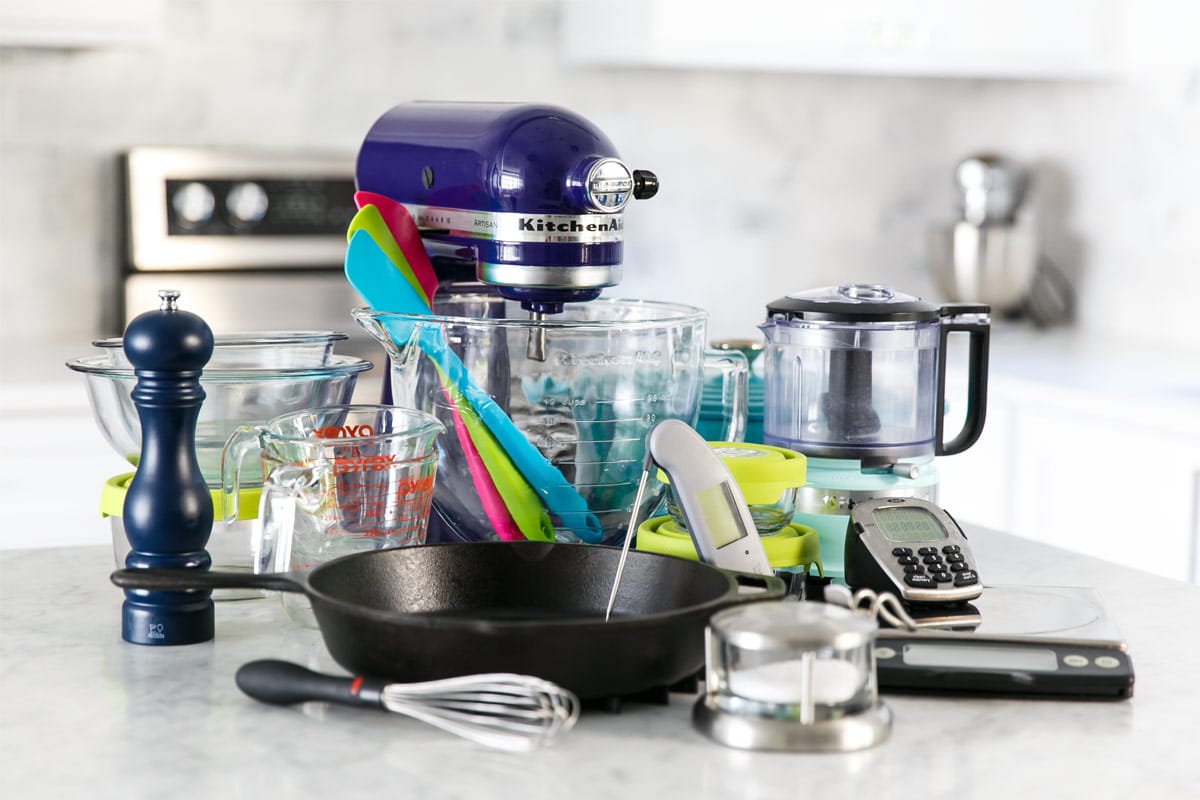
Our testing focused on three core areas: dough consistency, motor heat, and noise levels. We checked for consistent kneading without leaving dry flour pockets and monitored the motor temperature during extended runs. We also measured decibel levels to ensure the mixers wouldn't dominate the kitchen conversation.
This rigorous approach helps us separate marketing claims from actual performance, giving you reliable stand mixer reviews based on tangible results rather than specs alone.
Top stand mixer picks for 2026
Choosing the right stand mixer depends on how you bake. Some mixers excel at whipping egg whites, while others are built to knead heavy bread dough for hours. We tested the top models to see which ones handle real kitchen tasks.
Below is a comparison of the four strongest contenders. Each has distinct strengths that make it the best choice for specific needs.
| Model | Motor Power | Bowl Capacity | Best For |
|---|---|---|---|
| KitchenAid Artisan Plus | 325 watts | 5 qt | All-purpose baking |
| Breville Bakery Chef | 800 watts | 5 qt | Heavy doughs |
| Bosch Universal | 800 watts | 6.5 qt | Bread and bulk batches |
| Beautiful by Drew Barrymore | 250 watts | 4.5 qt | Budget and light use |
Best overall: KitchenAid Artisan Plus
The KitchenAid Artisan Plus is the most versatile option for most home bakers. It handles cake batter, cookies, and light doughs with ease. The added bowl-lift mechanism provides more stability than the tilt-head version, reducing movement during heavy mixing.
Best for heavy dough: Breville Bakery Chef
If you bake bread regularly, the Breville Bakery Chef is a better choice. Its 800-watt motor and planetary mixing action handle stiff doughs without straining. The design is robust, making it a reliable workhorse for weekly bread baking.
Best budget pick: Beautiful by Drew Barrymore
For occasional bakers, the Beautiful mixer offers good performance at a lower price. It is not as powerful as the others, but it whips cream and mixes cookie dough effectively. It is a solid entry point for those who do not need industrial-grade power.
KitchenAid vs Bosch vs Ankarsrum
Stand mixers fall into three distinct mechanical camps. Choosing the right one depends on how you bake. Tilt-head mixers like KitchenAid are the standard for home kitchens. Bottom-drive spiral mixers, such as Bosch models, dominate heavy dough work. Ring-kneaders like Ankarsrum offer a unique middle ground for serious bakers. Understanding these mechanisms helps you pick the right tool for your counter and your recipes.
Tilt-head design
The tilt-head mechanism, popularized by KitchenAid, lifts the mixing head to reveal the bowl. This design is simple and accessible. You can add ingredients mid-mix without stopping the motor. It is excellent for light to medium tasks like whipping cream, beating eggs, or mixing cake batter.
However, the tilt-head design has limits. The motor is mounted on a hinge, which can flex under heavy loads. This makes it less ideal for stiff bread doughs. If you bake mostly cookies and cakes, this is likely your best choice.
Bottom-drive spiral mixers
Bosch mixers use a bottom-drive system with a spiral dough hook that rotates inside a stationary bowl. This setup provides immense torque and stability. It handles large batches of stiff dough without straining the motor or tipping over.
This is the go-to for bread bakers. The spiral action mimics hand kneading efficiently. It is also quieter than most other mixers. The trade-off is that the bowl does not tilt, making it harder to scrape down sides or add ingredients once mixing starts.
Ring-kneader technology
Ankarsrum mixers use a ring that rotates around a fixed bowl, with a dough hook and roller inside. This is a less common but highly effective design. It allows for continuous kneading without the motor fighting against the bowl's weight.
The ring-kneader is versatile. It can handle stiff bread doughs like a Bosch but also mix light batters like a KitchenAid. It requires a learning curve to master the timing of adding ingredients, but the results are consistent. It is a durable, long-term investment for serious home bakers.
Classic sourdough bread recipe
A stand mixer does the heavy lifting for sourdough, handling the high hydration and long kneading times that would tire your arms. The motor-driven dough hook develops gluten structure evenly, ensuring a consistent crumb without the guesswork of manual folding. This recipe uses a standard 5-quart bowl capacity, making it perfect for most countertop models.
Before you start, ensure your starter is active and bubbly. The mixer’s power means you don’t need to overwork the dough; just let the machine do the work while you focus on timing and temperature.
Let the loaves cool completely on a wire rack before slicing. The internal temperature should reach 205°F (96°C) for fully cooked starches. Store in a paper bag for crusty bread or a plastic bag for softer slices.
Stand mixer buying checklist
Before committing to a new stand mixer, look past the color options and focus on the mechanical details that determine longevity. A machine that struggles with bread dough today will likely fail within a year, so use this checklist to verify the specs match your actual baking habits.
-
Bowl size: 5-quart is standard for families; 6-quart or larger handles heavy bread batches.
-
Motor power: Look for at least 250-300 watts for standard use; 500+ watts for dense doughs.
-
Attachment hub: Verify compatibility with your preferred pasta makers, grinders, or food processors.
-
Warranty: Aim for at least a 1-year full coverage; premium models often offer 5-year motor guarantees.
-
Counter footprint: Measure your kitchen space; tilt-head models are narrower but bowl-lift models are more stable.
The motor is the heart of any stand mixer. While many entry-level models advertise high wattage, the actual torque matters more for heavy tasks like kneading pizza dough. If you plan to bake bread weekly, prioritize a model with a direct-drive gear system or a powerful AC motor, which runs cooler and lasts longer than the cheaper DC motors found in budget units.
Bowl capacity is the next most critical factor. A 5-quart bowl is sufficient for most cookie and cake batters, but it fills up quickly when mixing large batches of bread. If you frequently make double batches or large loaves, stepping up to a 6-quart or 7-quart bowl prevents overflow and motor strain.
Don't forget the attachment hub. This feature allows you to connect accessories like pasta rollers, meat grinders, or vegetable slicers. If you already own these tools or plan to buy them, ensure the mixer's hub type (usually a universal or proprietary connector) is compatible. Finally, check the warranty length; a longer motor warranty often signals the manufacturer's confidence in the machine's durability.
No comments yet. Be the first to share your thoughts!