
Choosing a Chef's Knife
Ever tried slicing a tomato with a dull knife? It’s a frustrating experience, to say the least. A truly good chef’s knife isn’t just about making food prep easier, it’s about safety, efficiency, and even the joy of cooking. It's the workhorse of the kitchen, and investing in one that feels right for you is absolutely worth it.
Professional cooks rely on their knives constantly, so they prioritize a few key features. Balance is critical – a well-balanced knife feels like an extension of your hand, reducing fatigue. Then there’s steel quality, which dictates how well the knife holds an edge. Edge retention ties directly into that, impacting how often you need to sharpen. And finally, comfort – a handle that fits your grip and feels good even after hours of use.
What chefs look for in a knife is evolving. While traditionally Japanese knives with their incredible sharpness were favored, we’re seeing a rise in appreciation for German-style knives that offer a bit more heft and durability. There's no single 'best' knife; it truly depends on individual preference and cooking style. However, certain brands and models consistently appear on "most used" lists, and that's where we'll focus.
This guide isn’t about the flashiest or most expensive knives. It’s about the tools that working chefs actually reach for day in and day out. We’ll break down 15 top contenders for 2026, looking at what makes each one special and who it’s best suited for. We’ll also delve into the materials and techniques that separate a great knife from a mediocre one.
Top 15 Chef's Knives
Here are 15 chef's knives that consistently earn high praise from professionals, as of late 2026. Prices are approximate and can vary.
1. Shun Classic 8-Inch Chef's Knife: This knife, frequently highlighted by Bon Appétit, is known for its beautiful Damascus cladding and incredibly sharp edge. The VG-MAX steel core offers excellent edge retention. Pros: Razor sharp, lightweight, aesthetically pleasing. Cons: Can be prone to chipping if not carefully handled, relatively expensive. Price Range: $180 - $250.
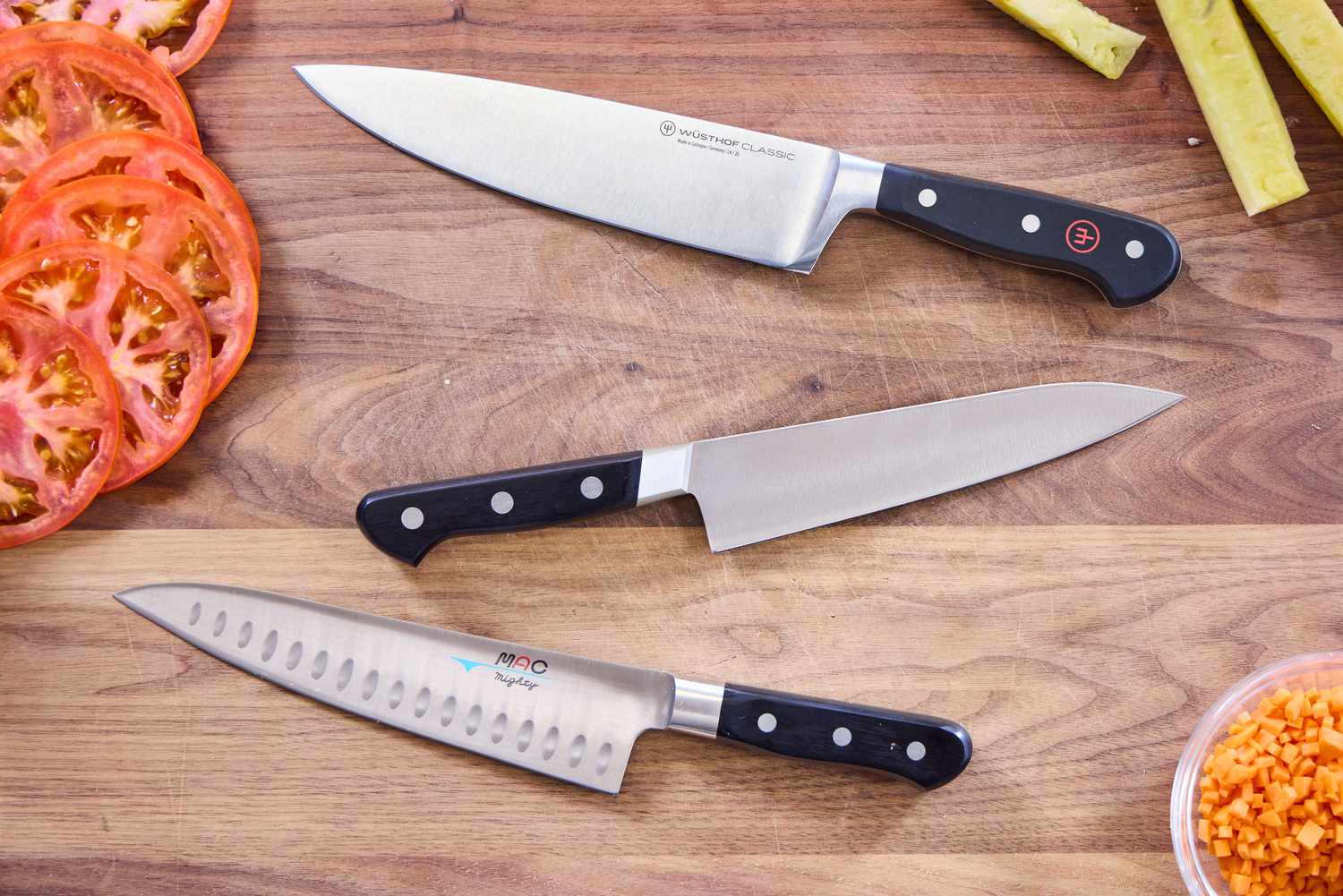
2. Wüsthof Classic 8-Inch Chef's Knife: A German classic, the Wüsthof Classic is prized for its durability and balance. The high-carbon stainless steel is easy to maintain, and the full bolster provides a secure grip. Pros: Durable, well-balanced, easy to sharpen. Cons: Heavier than some other options, can be a bit pricey. Price Range: $160 - $220.
3. Global G-2 8-Inch Chef's Knife: With its distinctive all-metal design, the Global G-2 is a favorite among many professionals. The Cromova 18 stainless steel offers good edge retention and corrosion resistance. Pros: Lightweight, comfortable handle, unique design. Cons: Some find the handle slippery, can show fingerprints easily. Price Range: $130 - $180.
4. Victorinox Fibrox Pro 8-Inch Chef's Knife: Often recommended by America’s Test Kitchen, this is a fantastic budget-friendly option. The Fibrox handle is incredibly grippy, even when wet. Pros: Affordable, durable, excellent grip. Cons: Steel doesn’t hold an edge as long as more expensive options, less aesthetically pleasing. Price Range: $40 - $60.
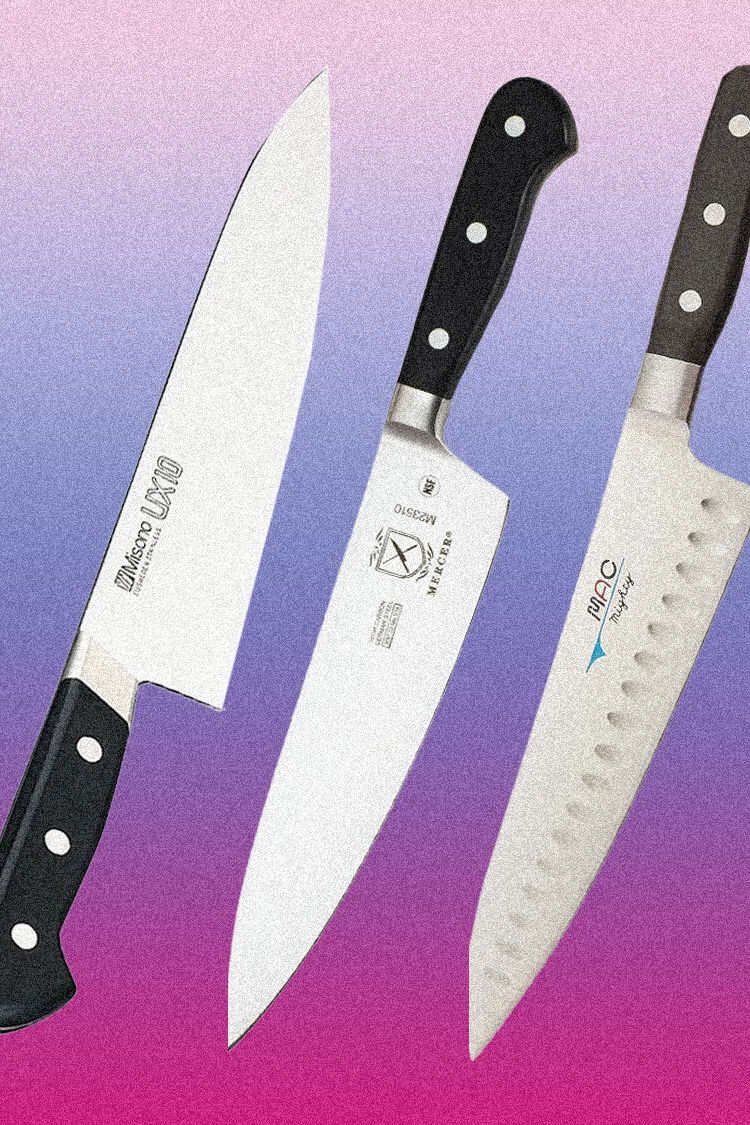
5. Mac Knife Professional Hollow Edge 8-Inch Chef's Knife: This Japanese knife is known for its exceptional sharpness and thin blade. The hollow edge helps prevent food from sticking. Pros: Extremely sharp, lightweight, excellent for precision work. Cons: Can be brittle, requires careful handling. Price Range: $150 - $200.
6. Messermeister Meridian Elite 8-Inch Chef's Knife: A German-made knife with a full bolster and a comfortable handle. The X50CrMoV15 steel offers good edge retention and corrosion resistance. Pros: Well-balanced, durable, comfortable grip. Cons: A bit heavier than some Japanese knives. Price Range: $140 - $190.
7. Miyabi Kaizen II 8-Inch Chef's Knife: Featuring a VG-10 steel core and Damascus cladding, this knife offers a beautiful combination of sharpness and durability. Pros: Razor sharp, beautiful design, comfortable handle. Cons: Requires careful maintenance, relatively expensive. Price Range: $200 - $300.
8. Tojiro DP 8-Inch Chef's Knife: A popular choice for home cooks and professionals alike, the Tojiro DP offers excellent value for the price. The VG-10 steel core provides good edge retention. Pros: Affordable, sharp, durable. Cons: Handle can be a bit basic. Price Range: $80 - $120.
9. Zwilling J.A. Henckels Professional "S" 8-Inch Chef's Knife: Another German classic, this knife is known for its durability and precision. The Friodur ice-hardened blade offers excellent edge retention. Pros: Durable, well-balanced, easy to sharpen. Cons: Can be heavy, relatively expensive. Price Range: $170 - $250.
10. Shun Sora 8-Inch Chef's Knife: A more affordable option from Shun, the Sora still offers the brand’s signature sharpness and quality. Pros: Sharp, lightweight, good value. Cons: Steel isn’t quite as durable as the Classic line. Price Range: $130 - $170.
11. Chroma 301 8-Inch Chef's Knife: A sleek and modern knife with a German steel blade and a comfortable handle. Pros: Stylish design, sharp, good value. Cons: Handle can be a bit slippery. Price Range: $100 - $150.
12. Dalstrong Gladiator Series 8-Inch Chef's Knife: A popular choice for its aggressive styling and good performance. The German high-carbon steel offers good durability. Pros: Durable, sharp, affordable. Cons: Handle can be bulky for some. Price Range: $80 - $120.
13. Fujiwara Kanefusa FKM Series 8-Inch Chef's Knife: A Japanese knife known for its exceptional sharpness and value. Pros: Extremely sharp, affordable, lightweight. Cons: Requires careful handling, can be prone to chipping. Price Range: $70 - $100.
14. Mercer Culinary Millennia 8-Inch Chef's Knife: A very affordable option often used in culinary schools. It’s a workhorse, not a showpiece. Pros: Incredibly affordable, durable, easy to replace. Cons: Doesn’t hold an edge as long as more expensive options, basic handle. Price Range: $20 - $40.
15. Bob Kramer Carbon Fiber 8-Inch Chef's Knife: A high-end option favored by some chefs for its unique carbon fiber handle and exceptional sharpness. Pros: Extremely sharp, comfortable handle, beautiful design. Cons: Very expensive, requires careful maintenance. Price Range: $300 - $450.
Understanding Knife Steel
The type of steel a knife is made from significantly impacts its performance. High Carbon Stainless Steel is a common choice, offering a good balance of sharpness, durability, and corrosion resistance. It’s relatively easy to sharpen and maintain, making it a great all-around option.
VG-10 steel, a Japanese steel, is known for its excellent edge retention and hardness. It’s a popular choice for high-end knives, but can be more brittle than some other steels. AUS-8 steel is another Japanese steel that's more affordable than VG-10 while still offering good performance.
Damascus steel isn’t a specific steel type, but rather a technique where different steels are layered together to create a beautiful, patterned blade. It often combines hardness and flexibility. The HRC (Rockwell Hardness Scale) measures a steel’s hardness – higher numbers (like 60-62 HRC) mean a harder, longer-lasting edge, but also greater brittleness. Lower numbers (55-58 HRC) mean a softer, more flexible blade that’s easier to sharpen but won’t hold an edge as long.
- High Carbon Stainless Steel: Good balance of properties, easy to maintain.
- VG-10: Excellent edge retention, can be brittle.
- AUS-8: Affordable, good performance.
- Damascus: Beautiful pattern, combines hardness and flexibility.
Kitchen Knife Steel Comparison
| Steel Type | Edge Retention | Corrosion Resistance | Ease of Sharpening | Cost |
|---|---|---|---|---|
| High Carbon Stainless | Good | Excellent | Good | Moderate |
| VG-10 | Excellent | Good | Good | Higher |
| AUS-8 | Good | Excellent | Excellent | Moderate |
| Damascus | Very Good | Good | Fair | High to Very High 💰 |
| Carbon Steel | Excellent | Fair | Excellent | Moderate |
| German Stainless Steel (e.g., X50CrMoV15) | Good | Excellent | Good | Moderate to Higher |
| Swedish Stainless Steel | Very Good | Excellent | Good | Higher |
Illustrative comparison based on the article research brief. Verify current pricing, limits, and product details in the official docs before relying on it.
Knife Handle Materials
The handle is where you connect with the knife, so choosing a material that feels comfortable in your hand is crucial. Wood handles (like pakkawood or rosewood) offer a classic look and feel, but require more maintenance to prevent cracking or warping. Different wood types offer varying levels of grip and density.
Synthetic materials like G10 and Micarta are incredibly durable and water-resistant. They offer a secure grip, even when wet, and require minimal maintenance. Composite handles often combine different materials for the best of both worlds – durability and comfort. The shape of the handle also matters, with some designs better suited for different grips (pinch grip, full-hand grip).
Knife Care and Maintenance
Maintaining your knife is just as important as choosing the right one. Sharpening restores the blade’s edge when it becomes dull. You can use whetstones (requires practice) or electric sharpeners (more convenient). Honing realigns the blade’s edge between sharpenings – think of it as straightening out minor imperfections.
Always hand wash your knives with warm, soapy water and dry them immediately. Never put a knife in the dishwasher! The harsh detergents and high heat can damage the blade and handle. Store your knives safely – a knife block, magnetic strip, or blade guards are all good options.
If you’re not comfortable sharpening your own knives, consider taking them to a professional sharpening service. They can restore your knife to like-new condition. Regular maintenance will significantly extend the life of your knife and keep it performing at its best.
- Sharpening: Restores the blade's edge.
- Honing: Realigns the blade's edge.
- Cleaning: Hand wash and dry immediately.
- Storage: Use a knife block, magnetic strip, or blade guards.

No comments yet. Be the first to share your thoughts!