
The 15 best chef's knives
Choosing the right chef's knife is personal. What feels comfortable for one person might not for another. We tested over three dozen chef's knives, mincing shallots and breaking down whole chickens to assess real-world performance. Our rankings combine professional testing insights with practical kitchen use.
What's 'best' depends on your needs. A knife for a professional chef might not suit a home cook. We've noted who each knife is best for, considering budget, experience, and cooking style.
Our top pick is the Shun Classic Chef’s Knife. It consistently earned high marks for its sharpness, edge retention, and balanced feel. The VG-MAX steel core clad in Damascus stainless steel creates a beautiful and incredibly functional blade. However, it requires more careful maintenance than some other options.
Following closely is the Wüsthof Classic Chef’s Knife. This German-made knife is known for its durability and robust construction. It's a workhorse that can handle any task you throw at it, though it’s a bit heavier than the Shun Classic.
Rounding out the top three is the Mac Knife Professional Chef’s Knife. Mac knives are celebrated for their incredible sharpness out of the box and their relatively light weight. While the handle is simpler than some other options, it provides a secure and comfortable grip.
- Shun Classic Chef’s Knife: ($200-250) Excellent sharpness, edge retention. Requires careful maintenance.
- Wüsthof Classic Chef’s Knife: ($180-230) Durable, robust, a true workhorse. Heavier than some.
- Mac Knife Professional Chef’s Knife: ($150-200) Incredibly sharp, lightweight. Simpler handle.
- Global G-2 Chef’s Knife: ($130-180) Unique design, very sharp, lightweight. Can feel slippery.
- Victorinox Fibrox Pro Chef’s Knife: ($40-60) Incredible value, durable, easy to maintain. Less refined feel.
- Zwilling J.A. Henckels Professional "S" Chef’s Knife: ($150-200) Well-balanced, durable, good edge retention.
- Tojiro DP Gyuto: ($100-150) Excellent performance for the price, Japanese steel.
- Misen Chef’s Knife: ($85-120) Good all-around performance, modern design.
- Messermeister Meridian Elite Chef’s Knife: ($150-200) Forged German steel, comfortable handle.
- Miyabi Kaizen II Chef’s Knife: ($200-250) Beautiful design, sharp edge, comfortable grip.
- Chroma 301 Chef’s Knife: ($120-170) Lightweight, sharp, and affordable.
- Fujiwara Kanefusa FKM Series Chef’s Knife: ($80-120) Japanese steel, excellent value.
- Dalstrong Gladiator Series Chef’s Knife: ($80-120) Bold design, decent performance.
- Mercer Culinary Millennia Chef’s Knife: ($30-50) Budget-friendly, durable, good for beginners.
- Rada Cutlery Chef’s Knife: ($30-40) Extremely affordable, surprisingly capable.
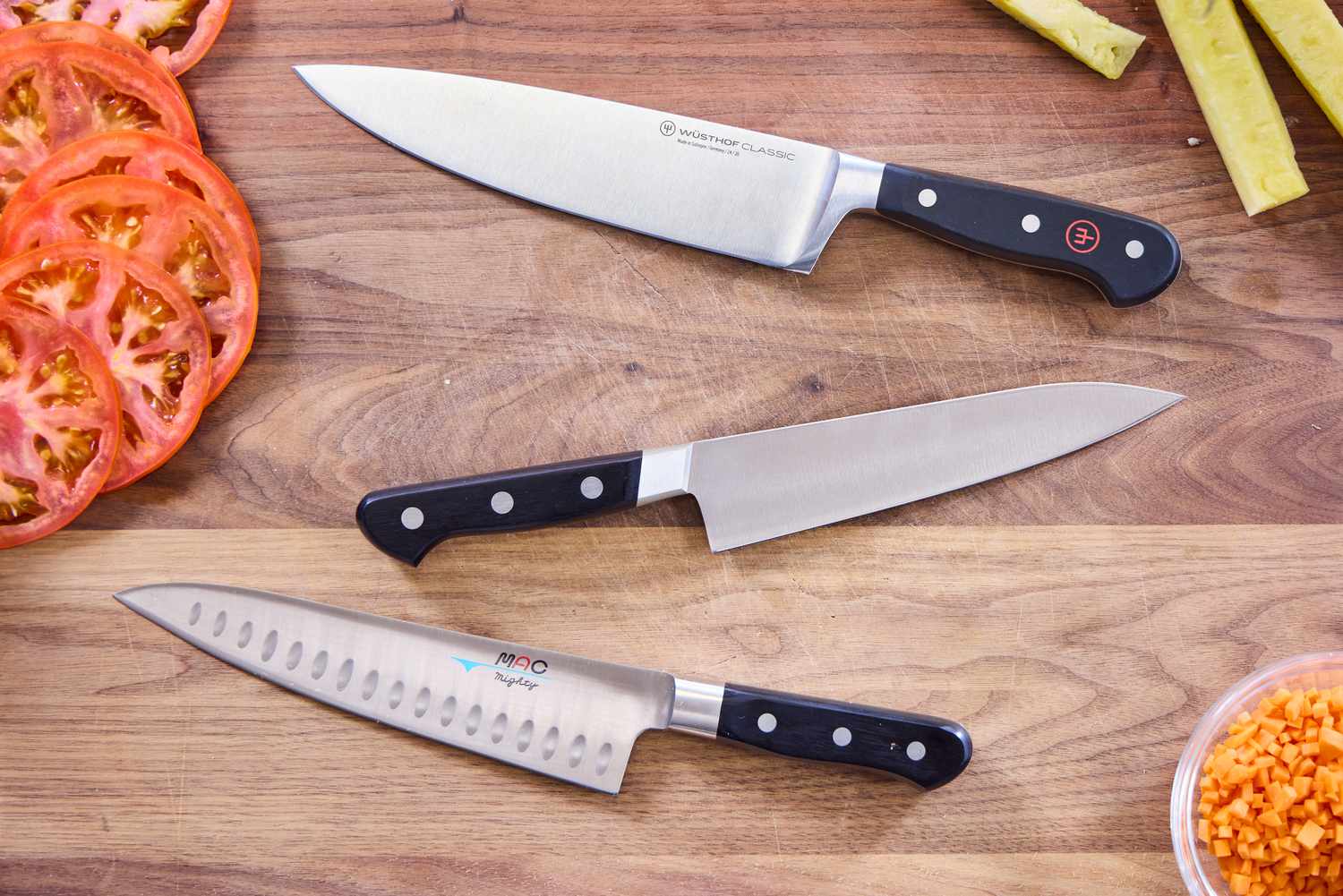
What Makes a Great Chef’s Knife?
A great chef’s knife isn't just about having a sharp blade. It’s about the harmonious combination of several key features. Blade steel is paramount; high-carbon stainless steel is the most common choice, offering a good balance of sharpness, durability, and corrosion resistance. The blade geometry – whether it's a full tang (where the steel extends through the entire handle) or a partial tang – affects balance and strength.
The bolster, the thick section where the blade meets the handle, provides a comfortable grip and adds weight. Handle materials are also crucial. Wood handles like Pakkawood offer a classic feel, while synthetic materials like G10 are more durable and require less maintenance. Balance is arguably the most subjective factor. A well-balanced knife feels like an extension of your hand, reducing fatigue during extended use.
Overall construction quality is critical. A poorly made knife will quickly become dull and may even be dangerous to use. Many people get caught up in the marketing around steel hardness (measured by the Rockwell scale). While hardness is important, it’s not the only factor. A slightly softer steel that’s easier to sharpen can be more practical for many home cooks than an extremely hard steel that requires professional sharpening.
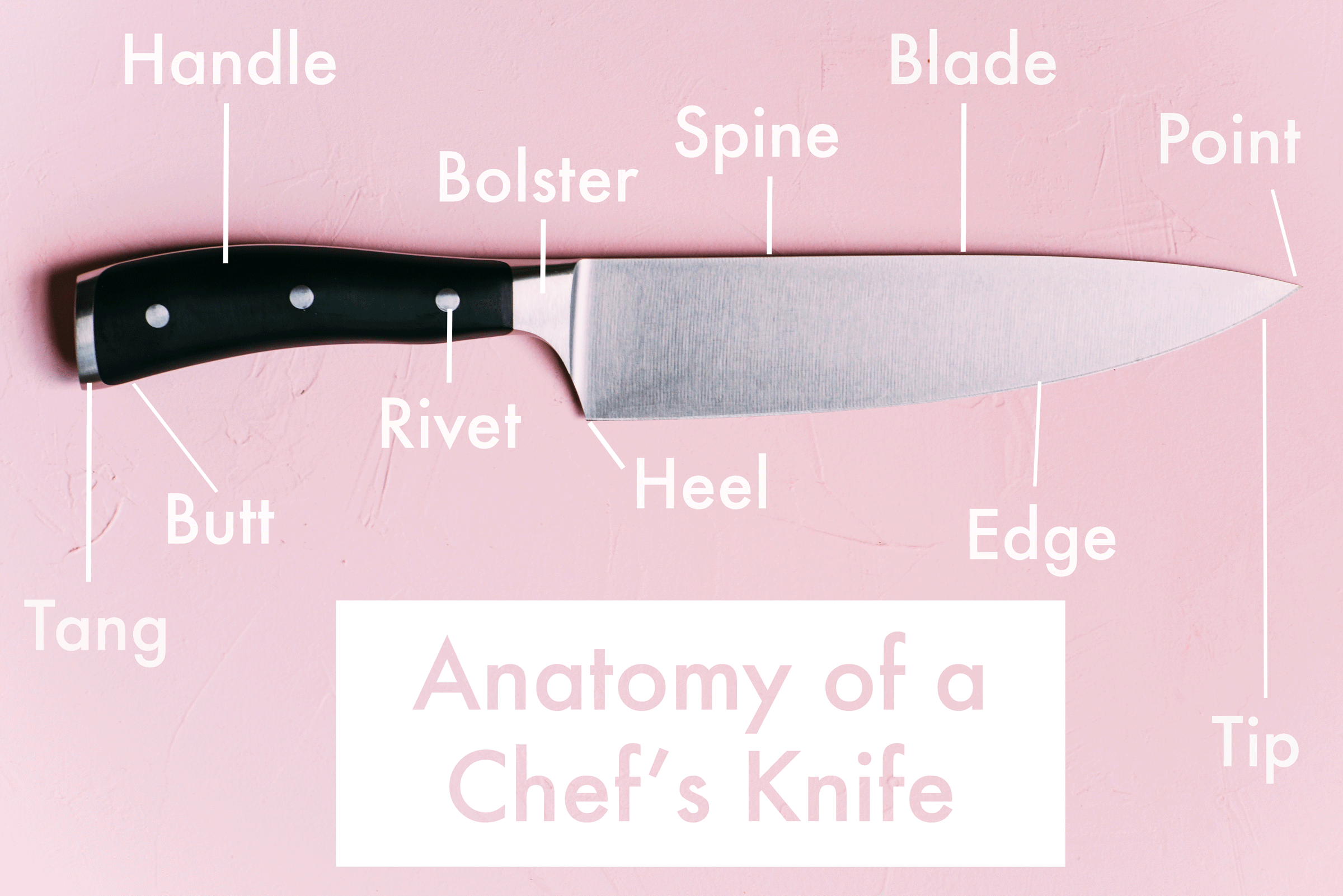
What makes a great chef's knife?
The type of steel used in a knife blade significantly impacts its performance. VG-10 is a popular Japanese steel known for its excellent sharpness and edge retention. It’s relatively easy to sharpen, but can be prone to chipping if abused. AUS-10 is another Japanese steel with similar properties to VG-10, often considered slightly more corrosion-resistant.
German steel, such as X50CrMoV15, is a common choice for European knives. It's known for its durability and toughness, but typically doesn't get as sharp as Japanese steels. It's also easier to repair and less prone to chipping. High-carbon stainless steel, a broad category, offers a good balance of properties and is used in many affordable knives.
The ideal steel depends on your needs and preferences. If you prioritize sharpness and edge retention and are willing to put in the effort to maintain it, a Japanese steel like VG-10 or AUS-10 is a good choice. If you need a durable, low-maintenance knife, German steel is a better option. Don’t get bogged down in the numbers; focus on how the knife feels and performs.
Steel types explained
Handle materials play a significant role in comfort, grip, and durability. Wood handles, particularly Pakkawood (resin-impregnated wood) and rosewood, offer a classic look and feel. They’re comfortable to hold, but require more maintenance to prevent cracking and warping. They also aren’t as hygienic as synthetic options.
Synthetic materials like G10 and Micarta are incredibly durable and resistant to moisture, chemicals, and impact. They provide a secure grip, even when wet, and require minimal maintenance. However, they can feel less comfortable than wood handles for some users. Composites, often incorporating fiberglass or other materials, offer a balance of durability and comfort.
I personally prefer G10 handles for their durability and secure grip. While they may not have the aesthetic appeal of wood, they’re simply more practical for everyday use. It’s also worth considering the shape and ergonomics of the handle. A handle that fits your hand properly will reduce fatigue and improve control.
- Pakkawood: Classic look and feel, requires maintenance.
- Rosewood: Beautiful grain, prone to cracking.
- G10: Durable, secure grip, low maintenance.
- Micarta: Similar to G10, slightly more textured.
- Composite: Balance of durability and comfort.
Chef's Knife Handle Material Comparison
| Material | Grip | Durability | Maintenance | Overall Suitability |
|---|---|---|---|---|
| Wood | Excellent - Natural feel, comfortable for many | Fair - Susceptible to moisture and cracking | High - Requires regular oiling and careful cleaning | Better for cooks prioritizing feel and tradition, but demands consistent care. |
| G10 | Good - Secure, even when wet | Excellent - Highly resistant to impact and chemicals | Low - Very durable, minimal upkeep | Excellent choice for professional kitchens or demanding home use; very reliable. |
| Micarta | Good - Similar to G10, but can offer a warmer feel | Excellent - Very durable and water-resistant | Medium - Benefits from occasional oiling, but less demanding than wood | A strong contender, balancing durability with a more natural aesthetic than G10. |
| Composite (e.g., POM) | Fair - Can feel slick when wet | Good - Generally robust, but can be brittle | Low - Easy to clean and maintain | Practical and hygienic, but may not provide the most secure or comfortable grip for all users. |
Qualitative comparison based on the article research brief. Confirm current product details in the official docs before making implementation choices.
Handle materials: wood, synthetic, and beyond
Knife balance refers to how the weight is distributed along the blade and handle. A blade-heavy knife feels like it wants to fall forward, making chopping easier but requiring more control. A handle-heavy knife feels more maneuverable, but can be more tiring to use for extended periods. A balanced knife feels neutral, offering a compromise between power and control.
Most professional chefs prefer a blade-heavy knife, as it allows for faster and more efficient chopping. However, for home cooks, a balanced knife is often a better choice. Knife weight also plays a role. Lighter knives are easier to maneuver, while heavier knives provide more power. Again, personal preference is key.
Experiment with different knives to find what feels most comfortable in your hand. There's no right or wrong answer. Consider the types of tasks you’ll be performing most often. If you do a lot of delicate work, a lighter, more maneuverable knife is a good choice. If you’re breaking down large cuts of meat, a heavier knife will provide more power.
Knife balance and weight
While we’ve highlighted our top 15 picks, several other knives deserve consideration. The Chef Julie Yoon recommends the Tojiro DP Gyuto as an excellent value option, offering impressive performance for its price point. It’s a great entry point for those looking to explore Japanese knives.
The Furi Pro Chef’s Knife is another standout. Its unique ergonomic handle and balanced weight distribution make it comfortable to use for long periods. It’s a bit more expensive than some other options, but the comfort factor is worth it for some.
Finally, the Kotetsu R2 Chef’s Knife is a premium option that offers exceptional sharpness and edge retention. It’s made from R2 powdered steel, a high-performance material that’s known for its durability and corrosion resistance. It’s a significant investment, but it’s a knife that will last a lifetime.
Knife care and maintenance
You can purchase chef’s knives from a variety of retailers, including online stores like Amazon, Sur La Table, and Williams Sonoma, as well as brick-and-mortar stores like local kitchen supply shops. It's always best to handle a knife in person before buying it, if possible, to get a feel for its balance and weight.
Looking ahead to 2026, we’re seeing a continued interest in Japanese-style knives and a growing demand for more sustainable and ethically sourced materials. There’s also a trend toward knives with more ergonomic handles and improved balance. Expect to see more knives made from powdered steel, which offers exceptional sharpness and edge retention.
Retailers are also offering more personalized services, such as knife sharpening and customization. The market is becoming increasingly competitive, which is good news for consumers. Researching brands and reading reviews is more important than ever to ensure you’re getting the best possible value for your money.
- Online Retailers: Amazon, Sur La Table, Williams Sonoma
- Brick-and-Mortar: Local kitchen supply shops
- Trends for 2026: Japanese knives, sustainable materials, ergonomic handles, powdered steel.

No comments yet. Be the first to share your thoughts!