
The 15 Best Chef’s Knives of 2026
Finding the best kitchen knives, and specifically a chef’s knife, can feel overwhelming. There are countless options available, each promising superior performance. After extensive testing, mirroring the rigorous evaluations conducted by Serious Eats and Bon Appetit, we’ve narrowed down the field to 15 top contenders for 2026. These knives represent a range of price points, steel types, and handle materials to suit various cooking styles and budgets.
Our testing focused on real-world performance, going beyond simple tomato slicing. We assessed each knife’s ability to handle a variety of tasks – from breaking down poultry and chopping onions to mincing herbs and dicing root vegetables. We considered sharpness, edge retention, comfort, balance, and overall durability. The knives below represent those that consistently excelled across these criteria.
Here are our top 15 chef’s knife picks for 2026, presented with a brief overview of their key features and approximate price points (as of late 2025). Prices can fluctuate, of course, but this gives a general idea of the investment required.
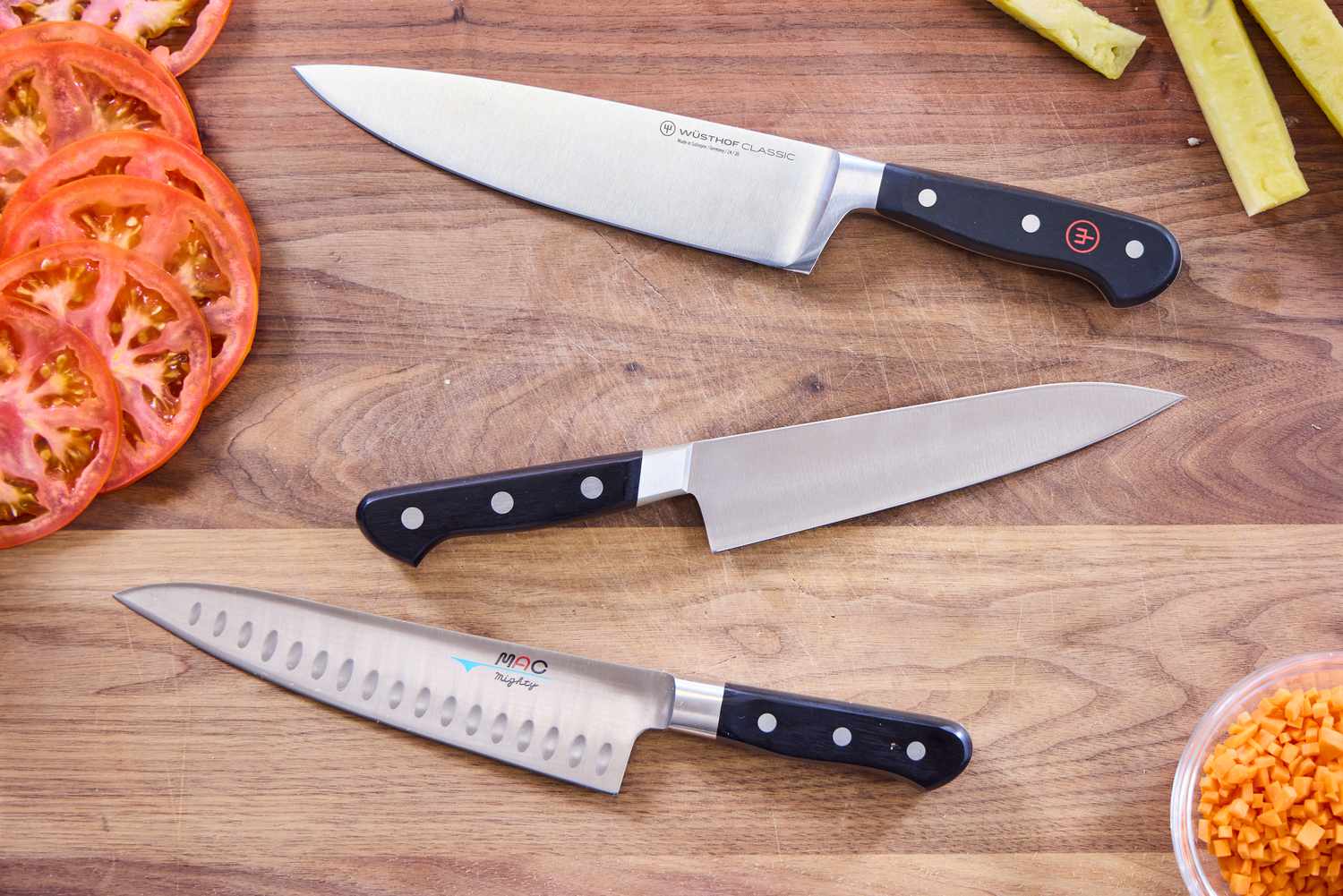
- Wüsthof Classic 8-Inch Chef’s Knife: ($229.95) – A German classic known for its durability and balance.
- Victorinox Fibrox Pro 8-Inch Chef’s Knife: ($44.95) – An incredible value, offering excellent performance at an affordable price.
- Shun Classic 8-Inch Chef’s Knife: ($179.95) – Features a beautiful Damascus steel blade and exceptional sharpness.
- Global G-2 8-Inch Chef’s Knife: ($155) – A distinctive, all-metal knife with a comfortable grip and excellent balance.
- Mac Knife Professional Hollow Edge 8-Inch Chef’s Knife: ($169.95) – Renowned for its thin blade and exceptional slicing ability.
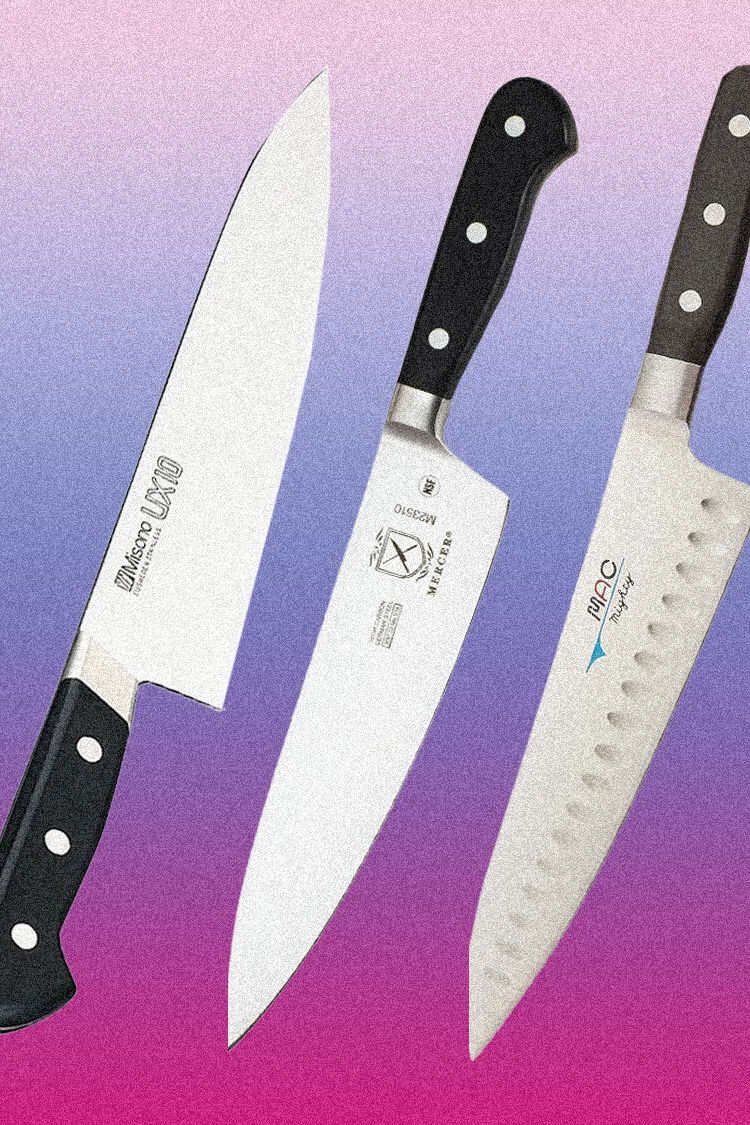
- Misen Chef’s Knife 8-Inch: ($85) – Direct-to-consumer brand offering a high-quality knife at a competitive price.
- Tojiro DP Gyuto 8.2-Inch: ($75) – Another excellent value option, offering Japanese craftsmanship at an accessible price.
- Zwilling J.A. Henckels Professional S 8-Inch Chef’s Knife: ($189.95) – A well-balanced and durable knife from a respected German manufacturer.
- Messermeister Meridian Elite 8-Inch Chef’s Knife: ($169.95) – Features a full bolster and a comfortable handle.
- Chroma 301 8-Inch Chef’s Knife: ($129.95) – A lightweight and agile knife with a sharp blade.
- Fujiwara Kanefusa FKM Series 8-Inch Chef’s Knife: ($99.99) – A solid Japanese knife known for its value.
- Mercer Culinary Millennia 8-Inch Chef’s Knife: ($39.99) – An excellent choice for culinary students or budget-conscious cooks.
- Dalstrong Gladiator Series 8-Inch Chef’s Knife: ($89.99) – Boasts a bold design and good performance.
- Shinko Knives Nakiri Vegetable Knife 6.5-Inch: ($79.99) - While technically a Nakiri, its versatility earns it a place here. Excellent for vegetables.
- Wüsthof Gourmet 8-Inch Chef’s Knife: ($169.95) – A more affordable option from Wüsthof, still offering good quality.
What We Looked For in Testing
Our assessment of these knives wasn’t superficial. We didn’t just evaluate how easily they sliced a tomato – although that’s certainly part of it. We replicated the tasks a home cook encounters regularly. This included breaking down a whole chicken, dicing onions of varying sizes, mincing garlic and herbs, and carving roasted meats. We wanted to see how each knife performed under sustained use.
Sharpness was, naturally, a primary concern. We tested initial sharpness using a push test on paper, and then assessed edge retention after extensive use and repeated washes. We also evaluated the edge geometry, noting the angle and the type of grind. A sharper knife requires less force and produces cleaner cuts, which is crucial for both efficiency and safety.
However, sharpness alone doesn’t make a great knife. Comfort and balance are equally important. A poorly balanced knife can lead to fatigue and reduced control. We assessed the handle’s ergonomics, considering its shape, size, and material. We also evaluated how well the knife felt in hand, paying attention to the weight distribution and the overall grip.
Finally, we considered the materials used in each knife, specifically the type of steel and the handle material. We looked for durability, corrosion resistance, and ease of maintenance. We understand that different cooks have different priorities, so we aimed to provide a range of options to suit various needs and preferences.
Steel Types: A Quick Guide
The type of steel used in a chef’s knife significantly impacts its performance and maintenance requirements. High-carbon stainless steel is the most common choice, offering a good balance of sharpness, durability, and corrosion resistance. Knives made from this steel generally require less maintenance than carbon steel options.
Carbon steel holds an incredibly sharp edge and is favored by many professional chefs. However, it’s prone to rust and requires diligent care, including regular oiling and immediate drying after use. It’s a commitment, but many find the performance worthwhile.
Damascus steel isn’t a specific type of steel, but rather a method of forging. It involves layering different types of steel together to create a visually striking pattern and potentially enhance performance. Damascus steel knives can be beautiful and durable, but often come with a higher price tag.
There are also other, less common steel types like VG-10 and AUS-8, often found in Japanese knives. These steels offer excellent sharpness and edge retention, but may require specialized sharpening techniques. Ultimately, the "best" steel depends on your individual needs and willingness to maintain the knife.
Chef's Knife Steel Comparison: Key Attributes
| Steel Type | Sharpness | Edge Retention | Corrosion Resistance | Maintenance |
|---|---|---|---|---|
| High-Carbon Stainless Steel | Excellent | Good | Excellent | Low |
| Carbon Steel (e.g., 1095) | Excellent | Excellent | Fair | High |
| Damascus Steel (Clad) | Excellent | Very Good | Good | Medium |
| German Stainless Steel (e.g., X50CrMoV15) | Very Good | Good | Excellent | Low |
| Japanese Stainless Steel (e.g., VG-10) | Excellent | Very Good | Very Good | Medium |
| High-Carbon German Steel | Very Good | Very Good | Excellent | Low to Medium |
Illustrative comparison based on the article research brief. Verify current pricing, limits, and product details in the official docs before relying on it.
Handle Materials and Ergonomics
The handle is your interface with the knife, and its material and shape profoundly affect comfort and control. Wood handles are aesthetically pleasing and offer a warm, natural feel. However, they require more care to prevent cracking and warping. Synthetic materials like plastic and composite offer greater durability and water resistance.
Handle shape and size are also crucial. A handle that’s too small can feel cramped and uncomfortable, while a handle that’s too large can be difficult to grip securely. Consider your hand size and grip style when choosing a knife. A pinch grip, for example, requires a different handle shape than a full-hand grip.
Balance is closely related to ergonomics. A well-balanced knife feels natural in hand and requires less effort to control. The balance point is typically located at the bolster, the area where the blade meets the handle. A knife that's blade-heavy can feel agile, while a knife that's handle-heavy can feel more stable.
Knife Geometry: Blade Shape & Bevel
The shape of the blade influences how a knife performs different cutting tasks. German-style blades tend to have a more curved belly, making them well-suited for rocking motions. This is ideal for chopping and mincing. French-style blades have a straighter edge, which is excellent for slicing and precision work.
Japanese-style blades, often referred to as Gyutos, typically have a thinner profile and a steeper angle. This allows for incredibly precise cuts, but can also make them more fragile. The angle of the bevel – the edge of the blade – also plays a significant role. A V-edge is more common and offers good all-around performance, while a U-edge is more durable but may not be as sharp.
Understanding these geometric differences can help you choose a knife that’s best suited for your cooking style. I’m not sure that getting overly fixated on these details is necessary for most home cooks, but a basic understanding can be helpful when making a purchase.
Our Top Picks: Standout Knives
While all 15 knives on our list performed admirably, a few truly stood out during testing. The Wüsthof Classic 8-Inch Chef’s Knife consistently impressed us with its durability, balance, and overall performance. It’s a workhorse that can handle any task you throw at it, and it’s built to last a lifetime. It's a great choice for cooks who want a reliable, no-nonsense knife.
For those seeking exceptional sharpness and a beautiful aesthetic, the Shun Classic 8-Inch Chef’s Knife is hard to beat. Its Damascus steel blade is incredibly sharp and holds an edge well. However, it requires more careful handling than some other knives. This knife is best suited for cooks who appreciate precision and artistry.
The Victorinox Fibrox Pro 8-Inch Chef’s Knife remains an incredible value. It doesn’t have the prestige of some other brands, but it performs remarkably well for its price. It’s a fantastic option for culinary students, home cooks on a budget, or anyone who wants a reliable knife without breaking the bank. It’s a great first chef’s knife.
Knife Care and Maintenance
Proper knife care is essential for maintaining its performance and longevity. Always wash your knives by hand with warm, soapy water, and dry them immediately. Avoid putting them in the dishwasher, as the harsh detergents and high temperatures can damage the blade and handle. Never soak your knives, as this can cause rust and corrosion.
Sharpening is also crucial. A dull knife is more dangerous than a sharp one, as it requires more force to cut and is more likely to slip. Invest in a sharpening stone or honing steel to keep your knife in top condition. A honing steel doesn’t actually sharpen the knife, but it realigns the blade’s edge, which can improve its performance.
Proper storage is equally important. Use a knife block, magnetic strip, or knife roll to protect your blades from damage. Avoid storing knives loose in a drawer, as this can dull the edge and pose a safety hazard. Regularly oiling carbon steel blades is also necessary to prevent rust.
- Step 1: Wash and dry the knife thoroughly.
- Step 2: Place the honing steel vertically on a stable surface.
- Step 3: Hold the knife at a 20-degree angle to the steel.
- Step 4: Draw the knife down the steel, alternating sides.
- Step 5: Repeat several times to realign the edge.

No comments yet. Be the first to share your thoughts!