
What to look for in 2026
Most cooks still reach for stainless steel because it's easy to live with, but I'm seeing more people move toward carbon steel for its edge. You'll find plenty of durable synthetics on the market now, though classic wood handles haven't gone anywhere.
Manufacturing techniques are also becoming more refined. Forged knives, traditionally valued for their strength and balance, are facing competition from high-quality stamped knives that offer impressive performance at lower price points. Laser cutting and advanced heat treatments are improving the consistency and durability of blades across the board.
Sustainability is a growing concern for consumers, driving demand for knives made with ethically sourced materials and responsible manufacturing processes. Some brands are now offering repair services and recycling programs, extending the life cycle of their products. This isn’t simply a marketing trend; it reflects a real shift in consumer values.
Ultimately, the 'best' knife isn't a single object. It’s the knife that best suits the cook’s skill level, cooking style, and budget. A home cook who primarily prepares simple meals will have different needs than a professional chef. This guide aims to provide the information needed to make an informed decision, focusing on real-world performance and long-term value.
The best chef's knives
The chef’s knife is the workhorse of the kitchen, and choosing the right one is essential. After extensive testing, informed by reviews from Serious Eats and Bon Appetit, we’ve identified several outstanding models for 2026. We focused on factors like sharpness, edge retention, comfort, balance, and overall durability.
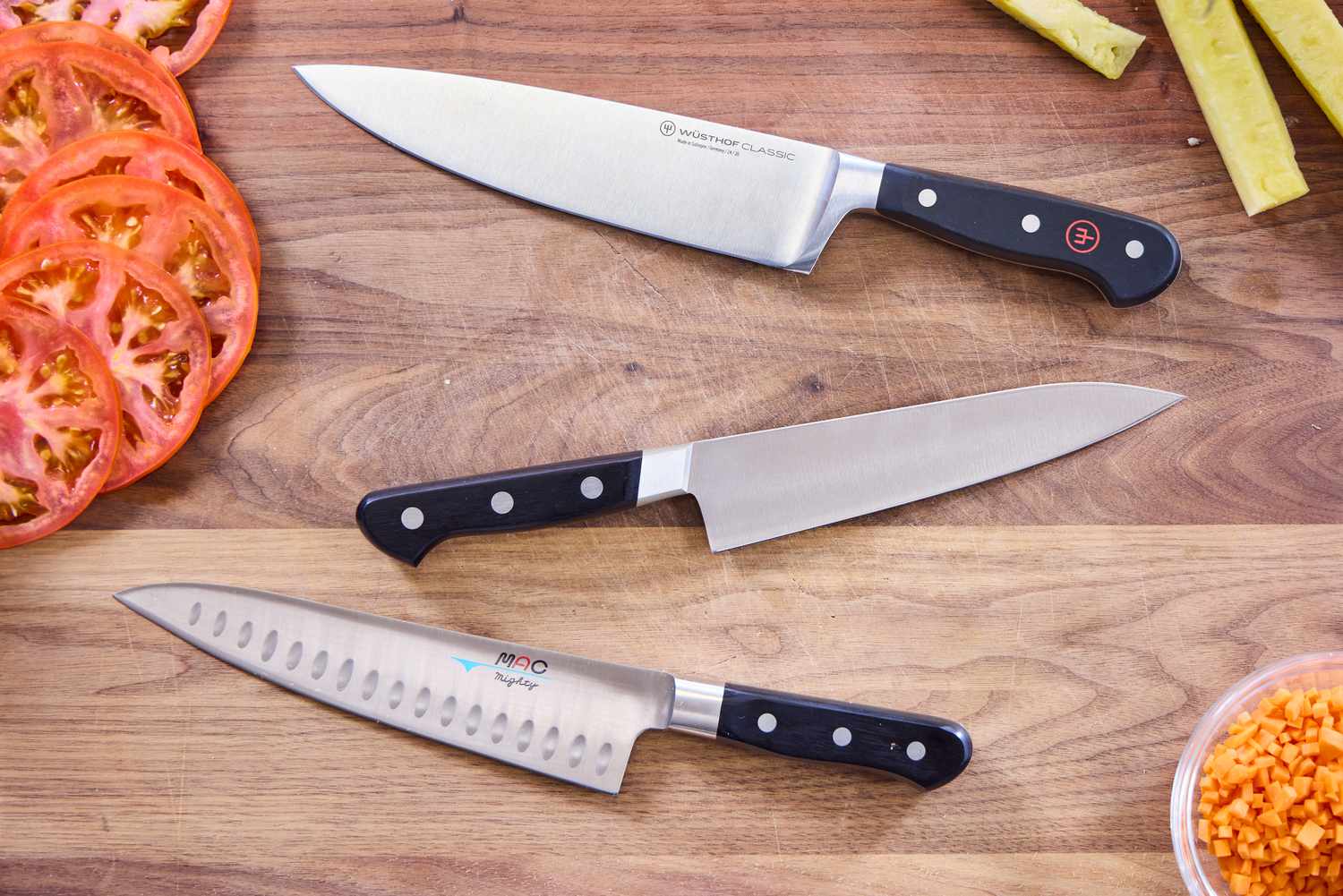
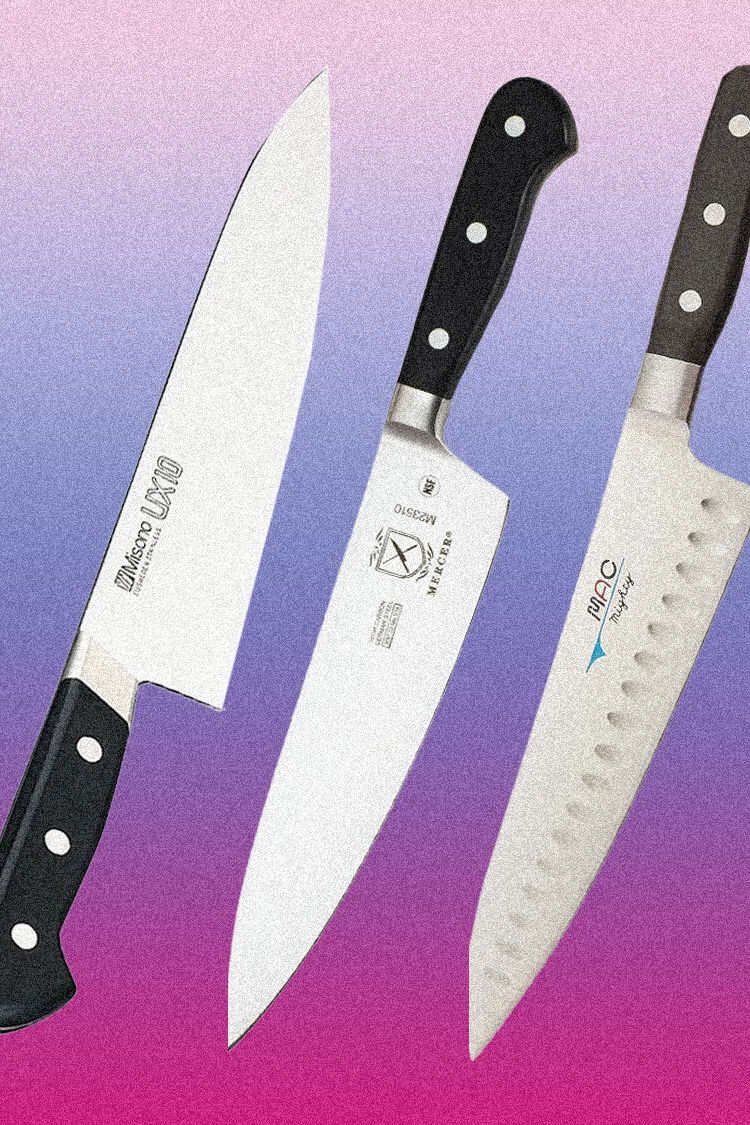
The Mac Mighty Chef’s Knife consistently ranks highly. Its high-carbon stainless steel blade holds an exceptional edge, and its thin profile makes it incredibly nimble. The blade length is typically 8 inches, offering versatility for a wide range of tasks. However, the relatively thin blade requires a bit more care to avoid chipping. It typically retails around $180.
For those seeking a more affordable option, the Victorinox Fibrox Pro Chef’s Knife is a standout. While it doesn’t offer the same level of refinement as higher-end knives, it provides excellent value for the price. The Fibrox handle is remarkably comfortable and provides a secure grip, even when wet. The steel isn’t as hard as some others, requiring more frequent sharpening, but it’s incredibly durable. Expect to pay around $40.
The Wüsthof Classic 8-Inch Chef’s Knife is a classic for a reason. Forged from high-carbon stainless steel, it’s known for its robustness and longevity. The full bolster provides a comfortable and secure grip, and the knife feels substantial in the hand. It's a bit heavier than some other options, which may not suit everyone. The price hovers around $200.
Serious Eats’s testing highlighted the Shun Classic Chef’s Knife as a top performer. Its Damascus steel blade is exceptionally sharp and visually striking. The handle is made from Pakkawood, a resin-impregnated wood composite that’s both durable and comfortable. It’s a beautiful knife, but the Damascus steel requires careful maintenance to prevent staining and corrosion, and the price is steep – around $250.
The Global G-2 Chef’s Knife is a distinctive option, known for its all-metal construction. Its unique design and balanced weight make it a favorite among many chefs. The stainless steel blade is incredibly sharp, and the handle provides a surprisingly comfortable grip. However, some users find the handle slippery when wet, and it’s priced around $150.
Finally, the Tojiro DP Gyuto offers a fantastic balance of performance and value. This Japanese-style chef’s knife features a VG-10 stainless steel core clad in softer stainless steel, providing excellent sharpness and edge retention. The handle is made from reinforced plastic, offering a comfortable and secure grip. It’s a great option for those looking to explore Japanese cutlery without breaking the bank – around $100.
Chef's Knife Comparison: 2026 Review
| Knife Name | Steel Type | Handle Material | Balance | Edge Retention | Overall Value |
|---|---|---|---|---|---|
| Wüsthof Classic 8-Inch Chef’s Knife | X50CrMoV15 | Synthetic Material (Polyoxymethylene) | Excellent | Good | Good |
| Shun Classic 8-Inch Chef’s Knife | VG-MAX | PakkaWood | Good | Excellent | Good |
| Global G-2 8-Inch Chef’s Knife | CROMOVA 18 | Stainless Steel | Good | Good | Good |
| Victorinox Fibrox Pro 8-Inch Chef’s Knife | Stainless Steel | Fibrox (Thermoplastic Elastomer) | Good | Good | Excellent |
| Mac Knife Professional Hollow Edge 8-Inch Chef’s Knife | High-Carbon Molybdenum Vanadium Steel | PakkaWood | Excellent | Excellent | Good |
| Tojiro DP Gyuto 8.2 Inch | VG-10 | Laminated Magnolia Wood | Good | Good | Good |
Illustrative comparison based on the article research brief. Verify current pricing, limits, and product details in the official docs before relying on it.
Beyond the Chef's Knife: Essential Additions
While a chef’s knife handles most tasks, a well-rounded knife kit includes a few specialized blades. These additions significantly expand your culinary capabilities. America’s Test Kitchen correctly points out that most cooks only need three knives, but having a few more can be incredibly useful.
A paring knife is essential for small, delicate work like peeling fruits and vegetables, trimming meats, and coring apples. The Wüsthof Classic Paring Knife ($40) is a reliable choice, offering excellent sharpness and control. Its compact size makes it ideal for precise tasks.
A serrated knife (or bread knife) is a must-have for slicing bread, tomatoes, and other foods with tough skins and soft interiors. The Mercer Culinary Millennia Bread Knife ($25) is an affordable and effective option. Its long, serrated blade makes clean cuts without crushing the food.
A utility knife fills the gap between a chef’s knife and a paring knife. It’s ideal for smaller tasks that don’t require the size of a chef’s knife but are too large for a paring knife. The Shun Classic Utility Knife ($120) offers excellent performance and a comfortable grip. Alternatively, the Victorinox Fibrox Pro Utility Knife provides great value at around $30.
A boning knife is designed for removing bones from meat, poultry, and fish. Its narrow, flexible blade allows you to maneuver around bones with ease. The Dexter-Russell Sani-Safe Boning Knife ($50) is a popular choice among professionals.
Choosing your steel
The type of steel used in a knife significantly impacts its performance and maintenance requirements. Understanding the differences between steel types is crucial for making an informed decision.
High-carbon stainless steel is the most common material used in kitchen knives. It offers a good balance of sharpness, edge retention, and corrosion resistance. The addition of chromium provides stain resistance, while carbon enhances hardness and sharpness. Knives made from high-carbon stainless steel typically require less maintenance than carbon steel knives.
Carbon steel is known for its exceptional sharpness and edge retention. However, it’s also prone to rust and corrosion, requiring regular oiling and careful cleaning. Carbon steel knives are favored by professional chefs who prioritize sharpness above all else. They need more attention, but many cooks feel the performance is worth the effort.
Ceramic knives are made from zirconium dioxide, a very hard material. They offer exceptional sharpness and edge retention, and they won’t rust or corrode. However, they’re also brittle and can chip or break easily. They’re best suited for specific tasks like slicing fruits and vegetables, and they require a specialized sharpener.
- High-carbon stainless steel is the standard for most because it won't rust easily.
- Carbon Steel: Exceptional sharpness, but prone to rust and corrosion.
- Ceramic: Extremely sharp and corrosion-resistant, but brittle.
Handles and grip
The handle is often overlooked, but it plays a critical role in comfort, control, and safety. Different materials offer distinct advantages and disadvantages.
Wood handles are classic and aesthetically pleasing. They provide a comfortable and secure grip, but they require regular oiling to prevent cracking and drying. Common wood choices include rosewood, walnut, and maple.
Synthetic materials like G10 and Micarta are incredibly durable and water-resistant. They offer a secure grip, even when wet, and require minimal maintenance. These materials are often used on professional-grade knives.
Metal handles provide a sleek and modern look. They’re typically very durable, but they can be slippery when wet and may not be as comfortable as wood or synthetic handles. Stainless steel is a common choice for metal handles.
Knife Care and Maintenance
Proper knife care and maintenance are essential for prolonging the life of your knives and ensuring optimal performance. Regular sharpening, cleaning, and storage are key.
Sharpening is the most important aspect of knife maintenance. Whetstones are the traditional method, offering the greatest control and precision. Electric sharpeners are more convenient but can be more aggressive. Honing steels realign the blade’s edge, but they don’t actually sharpen it.
Cleaning should be done immediately after each use. Wash knives by hand with warm, soapy water and dry them thoroughly. Avoid using abrasive cleaners or dishwashers, as they can damage the blade and handle. Mild dish soap is best.
Storage is crucial for protecting your knives. Use a knife block, magnetic strip, or blade guards to prevent the blades from dulling or becoming damaged. Never store knives loose in a drawer, as this can be dangerous and can damage the blades. Proper storage extends the life of your investment.
Preventing rust and corrosion is particularly important for carbon steel knives. After each use, wipe the blade with a light coat of mineral oil. Regularly inspect your knives for any signs of rust and address them promptly.
- Sharpening: Use whetstones, electric sharpeners, or honing steels.
- Cleaning: Wash by hand with warm, soapy water.
- Storage: Use a knife block, magnetic strip, or blade guards.

No comments yet. Be the first to share your thoughts!