
Beyond Stainless Steel: What Makes a Great Kitchen Knife in 2026?
The kitchen knife market feels like it’s in a constant state of evolution. It's not just about having a knife; it’s about having the right knife. We’re seeing a shift away from the idea that a single, all-purpose knife can handle everything. More cooks are realizing the value of specialized blades, and manufacturers are responding with a wider variety of options than ever before.
What’s driving this change? A lot of it comes down to materials. We're seeing increased use of Japanese steels, known for their exceptional hardness and edge retention. But German steels, with their balance of durability and ease of sharpening, are still incredibly popular. There’s also a growing interest in handle materials, with everything from traditional wood to more modern synthetics like micarta and G-10 gaining traction.
I’ve noticed a definite preference for thinner blades in recent years, particularly among professional chefs. This allows for more precise cuts and reduces drag when rocking the knife. However, that thinner profile can sometimes come at the expense of durability. It’s a tradeoff many cooks are willing to make for improved performance. The aesthetics also play a role, with Damascus patterns and unique handle shapes becoming increasingly popular. But for me, it always comes down to how the knife feels in the hand.
Ultimately, the "best’ knife is subjective. But a few key factors are consistently important: blade material, construction quality, balance, and ergonomics. It"s a crowded market, but understanding these elements will help you navigate it and find a knife that truly elevates your cooking.
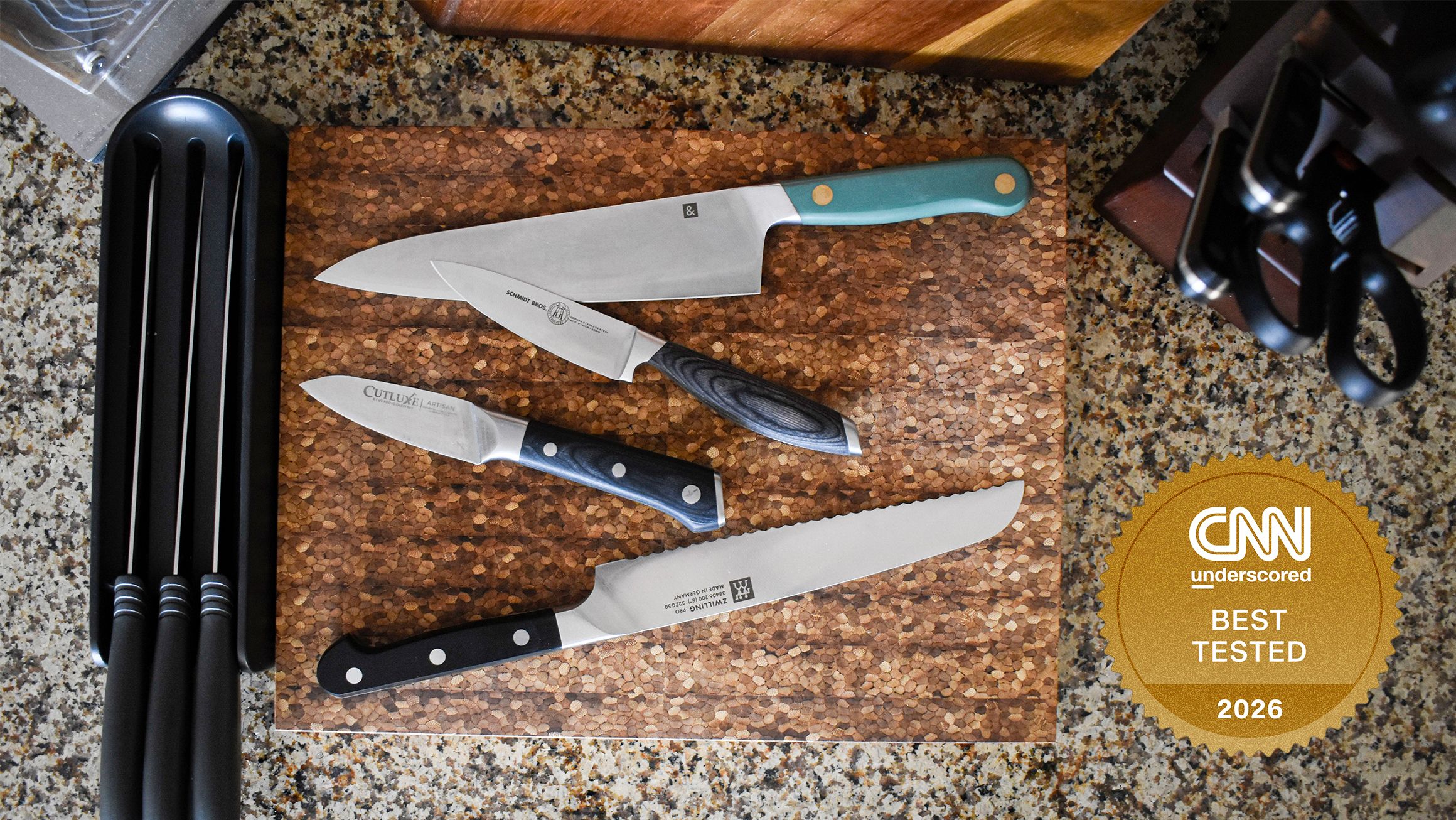
Decoding Knife Steel: A Guide to Materials and Hardness
Let’s talk steel. It’s the heart of any good knife, and understanding the different types can be overwhelming. German knives often utilize steels like X50CrMoV15, a stainless steel known for its corrosion resistance and relatively easy sharpening. It’s a solid all-around performer. Japanese knives, on the other hand, frequently employ steels like VG-10, which boasts higher carbon content for superior edge retention, but may require a bit more care to prevent rust.
The Rockwell hardness scale is how we measure a steel’s resistance to indentation. A higher number indicates a harder steel. Most kitchen knives fall between 56 and 62 HRC. A steel around 60 HRC offers a great balance of sharpness and durability. However, harder steels can be more brittle and prone to chipping, while softer steels may require more frequent sharpening. For a home cook, I generally recommend something in the 58-60 HRC range—plenty sharp, and forgiving enough for everyday use.
High-carbon stainless steel is a popular choice because it combines the best of both worlds: the sharpness and edge retention of carbon steel with the corrosion resistance of stainless steel. Carbon steel, while capable of achieving incredible sharpness, requires diligent maintenance to prevent rust. Damascus steel, with its beautiful layered pattern, is often marketed as superior, but it's primarily an aesthetic choice. The performance depends on the underlying steel used, not the pattern itself.
I've found that VG-10 can be a bit tricky for beginners to sharpen, while X50CrMoV15 is much more user-friendly. The difference isn't huge, but it’s something to consider if you’re new to knife sharpening. Ultimately, the best steel is the one that matches your skill level and maintenance habits.
- X50CrMoV15 (German): Corrosion resistant, easy to sharpen.
- VG-10 (Japanese): High carbon, excellent edge retention, requires more care.
- High-Carbon Stainless Steel: Combines sharpness & corrosion resistance.
- Carbon Steel: Extremely sharp, prone to rust.
- Damascus Steel: Primarily aesthetic, performance depends on base steel.
Kitchen Knife Steel Comparison
| Steel Type | Hardness (Rockwell C) | Corrosion Resistance | Edge Retention | Ease of Sharpening | Typical Price Point |
|---|---|---|---|---|---|
| X50CrMoV15 | 55-57 | Medium | Good | Medium | Mid-Range |
| VG-10 | 60-62 | Medium | Excellent | Medium | Mid-Range to Premium |
| AUS-8 | 58-60 | Medium | Good | Easy | Budget to Mid-Range |
| S35VN | 58-61 | High | Excellent | Medium | Premium |
| 1095 | 60-62 | Low | Excellent | Difficult | Budget to Mid-Range |
Illustrative comparison based on the article research brief. Verify current pricing, limits, and product details in the official docs before relying on it.
The Essential Trio: Chef's Knife, Paring Knife, and Serrated Knife
America's Test Kitchen is spot-on: you don't need a drawer full of knives. Three will cover most of your needs. The chef's knife is your workhorse, tackling 80% of your cutting tasks – chopping vegetables, slicing meat, disjointing poultry. A good starting point is an 8-inch chef’s knife, but 10-inch is good for larger tasks. The paring knife is for detail work: peeling fruits and vegetables, trimming herbs, deveining shrimp. A 3.5-inch paring knife is versatile enough for most tasks.
Finally, the serrated knife is essential for anything with a tough exterior and a soft interior – bread, tomatoes, citrus fruits. The serrations allow you to slice through the crust without crushing the soft flesh. A 9-10 inch serrated knife is a good all-around size. These three knives, chosen well, will handle the vast majority of kitchen prep.
Within each category, there’s variation. German-style chef’s knives tend to have a heavier blade and a more pronounced curve, making them ideal for rocking cuts. Japanese-style gyutos, on the other hand, are typically lighter and thinner, excelling at push cuts. Handle materials also vary – wood, synthetic materials like G-10, and even metal. I’m still on the fence about the "best" handle material; wood feels great, but synthetics are more durable and hygienic.
Ergonomics are crucial. The handle should fit comfortably in your hand and provide a secure grip, even when wet. I recommend visiting a kitchen store to try out different knives and see what feels best for you. Don’t be afraid to ask questions and get advice from the staff.
Do You Need This Knife?
- Frequent vegetable prep - A Chef's Knife is your workhorse. 8-10 inches is a great all-around size. Look at Wüsthof Classic or Shun Classic.
- Slicing bread - A Serrated Bread Knife (10-12 inches) is essential for clean cuts without crushing. Mercer Culinary Millennia is a good, affordable option.
- Carving meat - A Carving Knife (8-15 inches) with a pointed tip allows for precise slicing. Consider a Granton edge to prevent sticking – Victorinox Fibrox Pro is popular.
- Boning poultry or fish - A Boning Knife (5-7 inches) is flexible and narrow, ideal for navigating bones. Flexcut by Global is a highly-rated choice.
- Small tasks & detail work - A Paring Knife (3-4 inches) is perfect for peeling, trimming, and other delicate jobs. A classic like the Victorinox Swiss Classic Paring Knife is reliable.
- Heavy-duty chopping - For cutting through tough vegetables or small bones, a Cleaver (6-8 inches) is what you need. Zelite Infinity is a well-regarded option.
- Utility tasks - something between a chef's and paring knife - A Utility Knife (5-7 inches) is a versatile all-rounder for smaller tasks. Check out the Tojiro DP series.
2026 Chef's Knife Showdown: Top Picks from Bon Appétit and Beyond
Bon Appétit’s 2026 chef’s knife testing highlighted the Wüsthof Classic 8-Inch Chef’s Knife as a top performer. They praised its durability, balance, and ability to hold an edge. It’s a classic for a reason, and at around $200, it’s a solid investment. However, I found the bolster to be a bit bulky for my hand. It's a great knife, but it didn’t quite disappear in my grip.
They also recommended the Shun Classic 8-Inch Chef’s Knife, known for its incredibly sharp edge and lightweight design. At around $180, it’s similarly priced to the Wüsthof. I agree with their assessment of its sharpness, but I’ve found the thinner blade to be more prone to chipping if not handled carefully. It requires a more delicate touch.
The Mac Knife Professional Hollow Edge Chef’s Knife ($150) was another strong contender in their testing. It’s a favorite among many professional chefs for its exceptional sharpness and comfortable handle. I’ve used Mac knives for years and consistently been impressed with their performance. They're a great value for the price.
A more budget-friendly option is the Victorinox Fibrox Pro 8-Inch Chef’s Knife ($40). Bon Appétit acknowledged its simpler design, but praised its surprisingly good performance for the price. It’s a fantastic knife for beginners or anyone who wants a reliable workhorse without breaking the bank. I actually keep one in my camper for that reason. It's not fancy, but it gets the job done.
I’d also like to mention the Tojiro DP Gyuto 8.2-Inch ($80). It didn’t make Bon Appétit’s top picks, but it’s a fantastic entry-level Japanese knife. It offers excellent value and a good introduction to the world of Japanese cutlery. It requires a little more care than a German knife, but the sharpness is worth the effort.
Our Top Chef's Knife Picks for Every Home Cook in 2026
Hand-sharpened Japanese VG-MAX steel · D-shaped ebony PakkaWood handle · Razor-sharp edge for precise slicing
This knife offers exceptional sharpness and a comfortable grip, perfect for home cooks who appreciate the artistry of Japanese blade-making.
Forged high-carbon stainless steel · Full tang for balance and durability · Ergonomic, triple-riveted handle
A true workhorse, this German-engineered knife is renowned for its durability and versatility, making it a reliable choice for everyday kitchen tasks.
Cromova 18 stainless steel blade · Unique dimpled handle for a secure grip · Perfectly balanced for effortless control
Its lightweight design and distinctive handle make this knife a favorite for cooks who prefer agility and precision in their chopping.
Molybdenum steel blade · Ergonomic, comfortable handle · Thin, sharp edge for clean cuts
This knife strikes a fantastic balance between sharpness, comfort, and price, offering a professional-level experience for home chefs.
FC61 fine-carbide steel · Ergonomic, non-slip handle · Unique curved bolster for a comfortable grip and better control
The innovative bolster design provides superior comfort and safety, making this a great option for those who spend a lot of time prepping ingredients.
As an Amazon Associate I earn from qualifying purchases. Prices may vary.
Beyond the Chef's Knife: Specialized Blades for Specific Tasks
Once you have the essential trio, you can start to consider specialized knives. A boning knife (around 6 inches) is invaluable for removing bones from meat and poultry. A flexible blade is best for navigating around joints and curves. A fillet knife (often 6-9 inches) is similar to a boning knife, but even more flexible, designed for filleting fish.
A dedicated bread knife (serrated, 9-10 inches) is a must-have for anyone who bakes their own bread. A carving knife (8-12 inches) is ideal for slicing roasts and poultry. A utility knife (5-7 inches) fills the gap between a chef’s knife and a paring knife, useful for smaller tasks.
For those who enjoy Asian cuisine, a nakiri knife (rectangular blade, 6-7 inches) is excellent for vegetable prep. Its straight edge allows for clean, efficient cuts. A yanagiba knife (long, slender blade) is traditionally used for slicing sushi and sashimi, but requires significant skill to use properly.
Honestly, most home cooks don’t need most of these specialized knives. But if you frequently prepare specific types of food, they can significantly improve your efficiency and enjoyment. Don't feel pressured to buy them all at once; add them to your collection as your cooking skills and interests evolve.
Knife Care and Maintenance: Keeping Your Blades Sharp
Proper knife care is essential for maintaining performance and extending the life of your blades. Always hand wash your knives with warm, soapy water and dry them immediately. Avoid the dishwasher, as the harsh detergents and abrasive environment can damage the steel and handles. Never soak knives in water.
Storing your knives properly is also crucial. A knife block, magnetic strip, or blade guards are all good options. Avoid tossing knives loose in a drawer, as this can damage the blades and pose a safety hazard. Regularly honing your knives with a honing steel will help maintain the edge between sharpenings.
Sharpening, however, is a more involved process. Whetstones are the traditional method, offering the greatest control but requiring practice. Electric sharpeners are more convenient, but can be abrasive and remove more steel. I prefer using a combination of a honing steel for daily maintenance and a whetstone for occasional sharpening. I use the Shapton Kuromaku 1000/3000 grit stone.
Common mistakes include using too much pressure when sharpening, using the wrong angle, and neglecting to clean the blade after sharpening. Before sharpening, make sure your whetstone is properly soaked. I also recommend watching a few videos to learn the correct technique. A sharp knife is a safe knife – dull knives require more force, increasing the risk of slipping.
The Future of Kitchen Knives: What’s on the Horizon?
We’re seeing some interesting developments in the knife world. Ceramic blades are becoming more common, offering exceptional sharpness and corrosion resistance, but they're also brittle and prone to chipping. 3D-printed knives are still in their early stages, but they offer the potential for customized designs and materials.
The rise of direct-to-consumer knife brands is also changing the market. Companies like DALSTRONG and Misen are offering high-quality knives at competitive prices by cutting out the middleman. This is putting pressure on traditional brands to innovate and offer better value.
I suspect we’ll see more knives incorporating advanced materials like powdered metallurgy steels, which offer a combination of hardness, toughness, and edge retention. We may also see more integration of smart technology, such as sensors that detect blade wear and recommend sharpening.
Ultimately, the best knife is the one that feels most comfortable and confident in your hands. Don’t get caught up in the hype or the latest trends. Choose a knife that suits your cooking style, budget, and skill level, and take good care of it. A well-maintained knife will last a lifetime.

No comments yet. Be the first to share your thoughts!