
The 2026 Stand Mixer Landscape
The stand mixer market in 2026 is still dominated by familiar names, but it's also become more nuanced. People use these appliances for more than just baking, from shredding chicken to making pasta and grinding meat. It's a versatile tool that earns its place on the countertop.
Prices range from around $200 to over $800 for higher-end models. Choosing the right one depends on your cooking habits, frequency of use, and intended tasks.
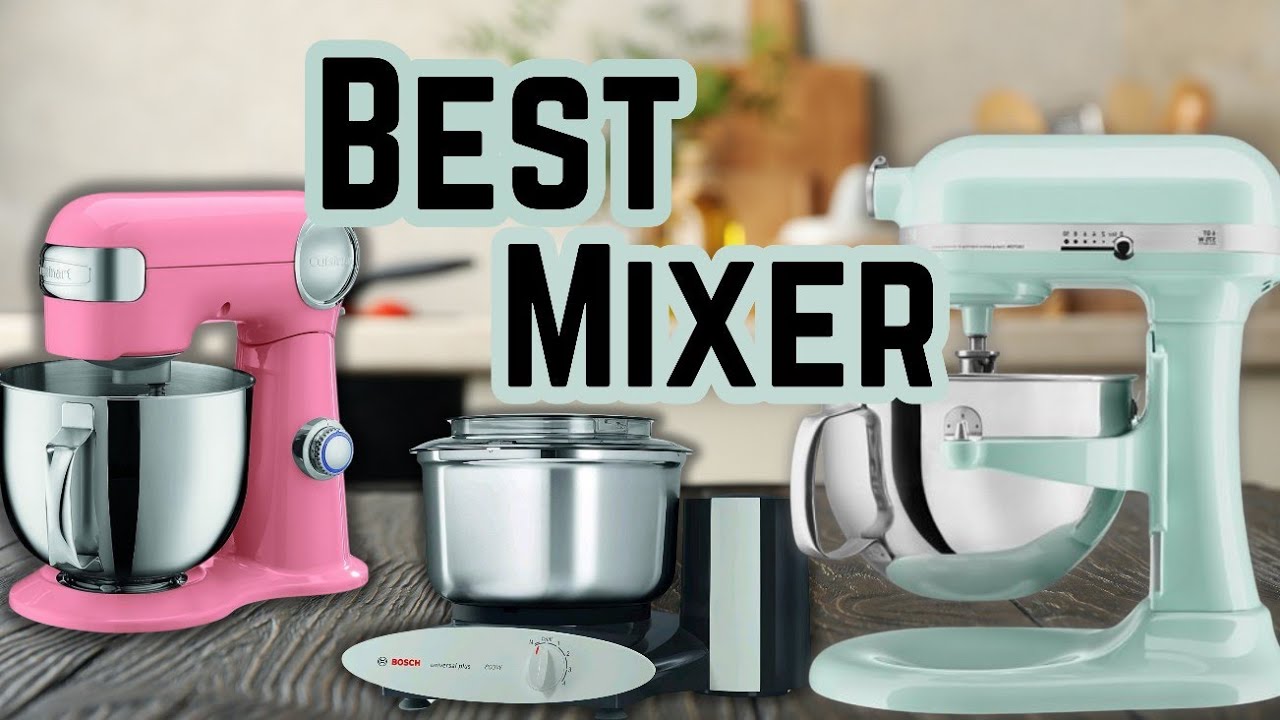
This guide breaks down KitchenAid, Bosch, and Cuisinart to show their strengths and weaknesses. The best stand mixer is the one that fits your needs and budget.
KitchenAid: The Icon, Refined
KitchenAid is synonymous with stand mixers. Their history dates back to 1908, originally producing heavy-duty mixers for commercial use. This legacy of durability is a big part of their appeal, and they’ve spent over a century building a reputation for quality.
The Artisan series is their most popular model, available in many colors to match any kitchen décor. KitchenAid's biggest strength is its versatile attachment ecosystem, including pasta makers, meat grinders, and ice cream makers.
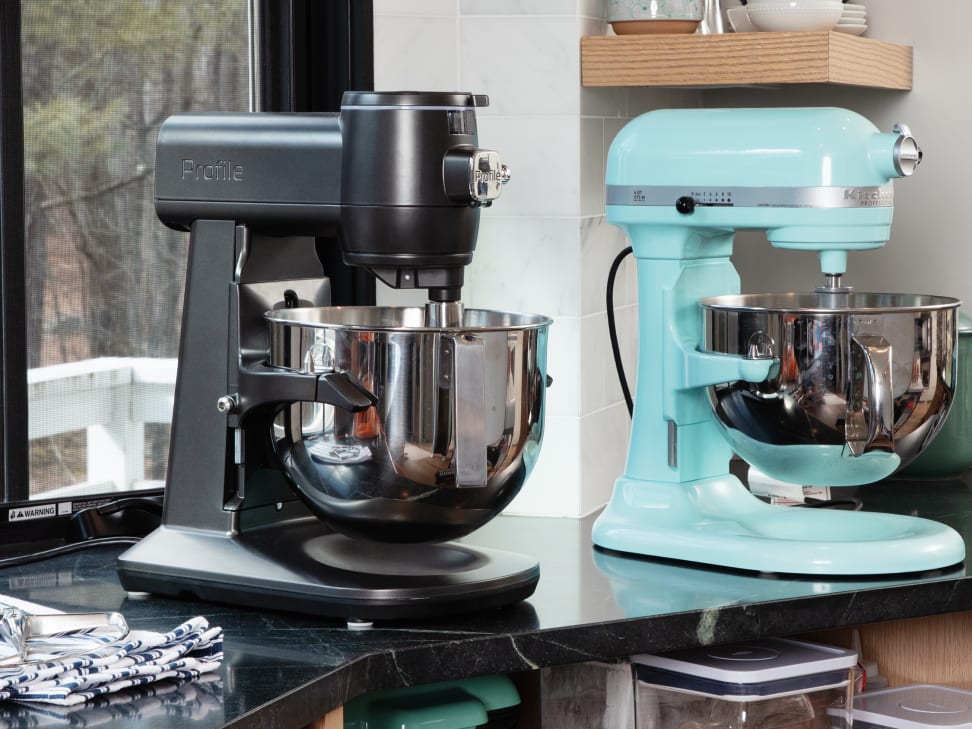
However, the Artisan's motor can struggle with very heavy doughs, especially if you make bread regularly. Pushing it to its limits consistently could lead to burnout. They are also not cheap. For more power, the KitchenAid Pro Line series offers a more robust motor and larger capacity at a higher price point.
KitchenAid's widespread popularity makes finding replacement parts and repair technicians easy, a big consideration for long-term ownership.
Bosch: Power and Precision
Bosch stand mixers are known for their powerful, direct-drive motors. A direct-drive motor connects directly to the mixing bowl, resulting in more power and efficiency, especially with heavy doughs. This makes them a favorite among serious bread bakers.
Bosch offers two main models: the Universal Plus and the Compact. The Universal Plus is their workhorse with a large capacity and plenty of power. The Compact is a smaller, more affordable option for smaller kitchens or less frequent use.
Bosch mixers excel at consistent results, especially with dough, and their large capacity is great for big batches. However, they aren’t as visually appealing as KitchenAids, with limited color options. The attachment selection isn’t as extensive either.
Some users find the Bosch bowl system a bit fiddly at first, requiring a learning curve to attach and detach the bowl and accessories. Once mastered, it’s a reliable and efficient machine.
Cuisinart: Value and Versatility
Cuisinart offers a good balance of price and performance, making them a solid choice for home cooks who want a capable stand mixer without breaking the bank. The SM-50 is one of their most popular models with consistently positive reviews.
Cuisinart mixers aren’t quite as powerful or durable as KitchenAid or Bosch, but they are capable of handling most everyday baking tasks like cookies, cakes, frosting, and some bread making.
Cuisinart mixers are easy to use, with straightforward controls. They are relatively lightweight and offer a decent selection of attachments, often bundled with useful accessories.
For casual bakers or those starting out, a Cuisinart stand mixer is a reliable, versatile, and affordable option.
Attachment Ecosystems: Beyond the Basics
KitchenAid dominates the attachment category with a vast range including pasta makers, food grinders, vegetable spiralizers, ice cream makers, meat grinders, and a sifter and scale. Many third-party manufacturers also create compatible attachments.
undefined’t as extensive as KitchenAid. The quality of Bosch attachments is generally very good, though.
Cuisinart also offers attachments, including a pasta maker, meat grinder, and dicing kit. Again, the selection is smaller, but it covers the essentials. The quality is good for the price point.
When considering attachments, think about what you’ll actually use. There’s no point in buying a pasta maker if you never make pasta! But if you’re a versatile cook, the KitchenAid ecosystem is hard to beat.
- KitchenAid: Pasta maker, food grinder, vegetable spiralizer, ice cream maker, meat grinder, sifter & scale, citrus juicer
- Bosch: Pasta maker, meat grinder, cookie press
- Cuisinart: Pasta maker, meat grinder, dicing kit
Featured Products

Rolls 6-inch wide sheets of pasta · Adjustable to 8 thickness settings · Durable stainless steel construction
Create authentic, fresh pasta sheets for all your favorite Italian dishes.
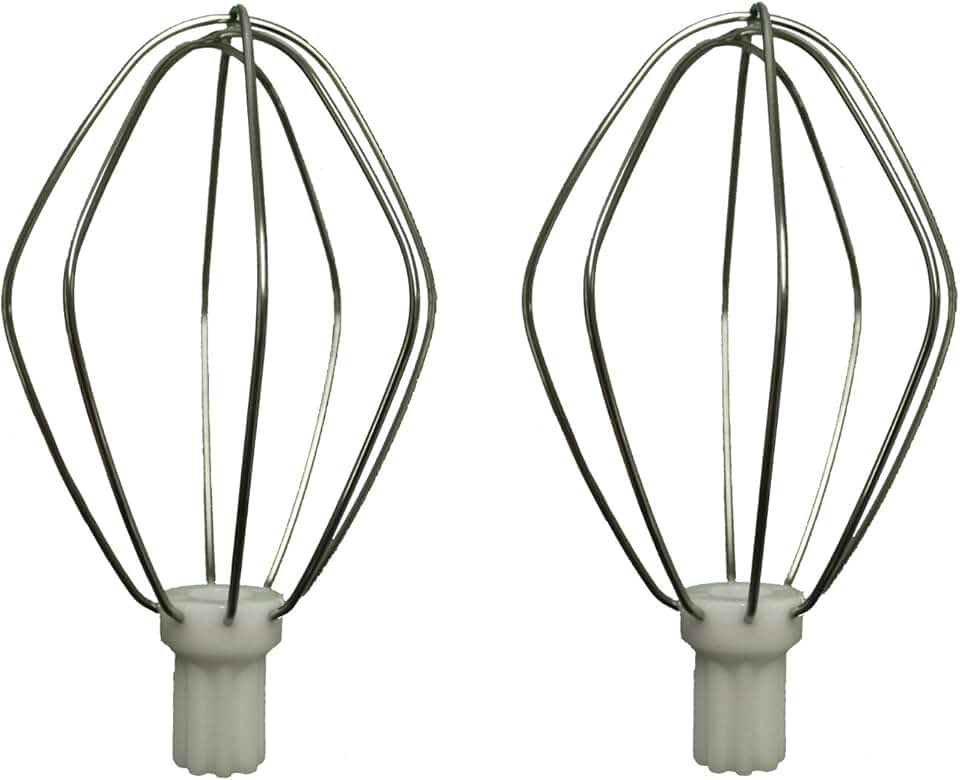
Designed for the Bosch Universal Mixer · Whips cream and egg whites to perfection · Durable stainless steel construction
Achieve perfectly whipped cream and airy meringues with these essential wire whips.

Grinds meat quickly and efficiently · Includes sausage stuffing tubes · Durable construction for long-lasting use
Grind your own fresh meat for burgers, sausages, and more with ease.

Makes up to 2 quarts of frozen dessert · Freezer bowl freezes for up to 24 hours · Easy to assemble and clean
Whip up delicious homemade ice cream, sorbet, and gelato in your own kitchen.

Slices and shreds fruits and vegetables · Includes medium and coarse shredding cones · Dishwasher-safe components for easy cleanup
Effortlessly slice and shred ingredients for salads, toppings, and more.
As an Amazon Associate I earn from qualifying purchases. Prices may vary.
Motor Power & Dough Capacity: The Heavy Lifting
Motor wattage is often touted as a key indicator of power, but it’s not the whole story. Gear ratios also play a significant role. A lower gear ratio provides more torque, which is essential for handling heavy doughs. Bosch’s direct-drive system effectively delivers high torque without relying on a complex gear system.
KitchenAid Artisan mixers typically have a 325-watt motor, while the Pro Line series boasts a more powerful 575-watt motor. Bosch Universal Plus mixers have a 800-watt motor. Cuisinart mixers generally fall in the 500-watt range.
Bowl capacity is another important consideration. KitchenAid Artisan mixers have a 5-quart bowl, while the Pro Line series offers a 6-quart bowl. Bosch Universal Plus mixers have a 6.5-quart bowl, and the Compact has a 4-quart bowl. Larger bowls allow you to make bigger batches.
The common concern about KitchenAid motors burning out with heavy use is valid. While they're generally reliable, consistently pushing the motor to its limits with stiff doughs can shorten its lifespan. Bosch’s direct-drive system is less prone to this issue.
Stand Mixer Comparison: KitchenAid, Bosch & Cuisinart (2026)
| Brand | Motor Power | Dough Capacity | Bread Dough Performance | Heavy Duty Use | Price Range |
|---|---|---|---|---|---|
| KitchenAid | Medium/High ⬆️ | Medium | Good | Okay | Medium/High |
| Bosch | High ⬆️⬆️ | Large | Excellent | Excellent | High |
| Cuisinart | Medium | Small/Medium | Good | Okay | Low/Medium |
| KitchenAid (Artisan Series) | Medium | Medium | Good | Okay | Medium |
| Bosch Universal Plus | High | Large | Excellent | Excellent | High |
| Cuisinart SM-50 | Medium | Medium | Good | Okay | Low |
| KitchenAid Professional 600 Series | High | Large | Excellent | Excellent | High |
Illustrative comparison based on the article research brief. Verify current pricing, limits, and product details in the official docs before relying on it.
Repair & Longevity: What Happens When Things Go Wrong?
Even the best stand mixers can experience problems eventually. Fortunately, KitchenAid’s widespread popularity means that finding replacement parts and qualified repair technicians is relatively easy. You can find parts at many appliance stores and online retailers. There’s also a wealth of online resources and DIY repair guides available.
Bosch has improved its repair network in recent years, but it’s still not as extensive as KitchenAid’s. Finding a Bosch-certified repair technician may be more difficult, especially in rural areas. However, Bosch offers a generous warranty on its mixers.
Cuisinart’s repair network is also growing, and replacement parts are generally available online. Their warranty coverage is comparable to Bosch’s.
Common failure points for KitchenAid mixers include the motor, the speed control switch, and the worm gear. Bosch mixers are known for their reliability, but the motor can sometimes fail. Cuisinart mixers are more prone to issues with the speed control switch and the motor.
Stand Mixer Showdowns: User Feedback
User reviews are a goldmine of information. In a 2025 review on YouTube, Good Food’s Nat highlights the importance of matching your mixer to your baking frequency and the types of recipes you make. She notes that spending a lot of money isn’t always necessary, especially for casual bakers.
Many users praise KitchenAid’s versatility and stylish design, but some complain about the motor struggling with heavy doughs. A common theme on baking forums is frustration with the KitchenAid motor overheating during bread making.
Bosch owners consistently rave about the mixer’s power and ability to handle any dough. However, some find the bowl system a bit cumbersome at first. Several users on Reddit mention the learning curve associated with the Bosch.
Cuisinart owners appreciate the value for money and ease of use. However, some acknowledge that it’s not as durable as KitchenAid or Bosch. Overall, the consensus is that Cuisinart is a great option for beginners or those on a budget.


No comments yet. Be the first to share your thoughts!