Stand mixer reviews budget
Finding a stand mixer under $250 requires trading some power for price, but the gap has narrowed. You can now get reliable daily performance without the KitchenAid Artisan premium. The tradeoff usually comes down to motor durability, bowl size, and attachment ecosystem. If you bake bread weekly, the Bosch Universal remains the budget king for power, though it looks and operates differently than traditional stand mixers. For most weeknight batters and cookies, a mid-tier model handles the load just fine.
The Beautiful by Drew Barrymore mixer is a standout in this bracket. It offers a 5-quart stainless steel bowl and enough torque for cookie doughs and quick breads. It lacks the metal gear durability of higher-end models, so avoid heavy pizza doughs. The Cuisinart Precision Master is another solid option, featuring a 500-watt motor and a 5.5-quart bowl. It’s heavier and more stable than the entry-level brands, making it a safer bet for frequent use.
When comparing these budget picks, focus on the planetary mixing action. Cheaper models sometimes leave unmixed pockets near the bowl edge. Look for reviews that mention "scraping" or "even mixing." Avoid the very cheapest options under $100; their plastic gears strip quickly under load. Stick to the $150–$250 range for a balance of longevity and performance.


As an Amazon Associate, we may earn from qualifying purchases.
Shortlist real options
Choosing a stand mixer often comes down to balancing power, capacity, and price. The market is crowded, but only a handful of models consistently earn high marks from both professional reviewers and home bakers. We’ve narrowed the field to the strongest contenders based on current expert testing and user feedback.
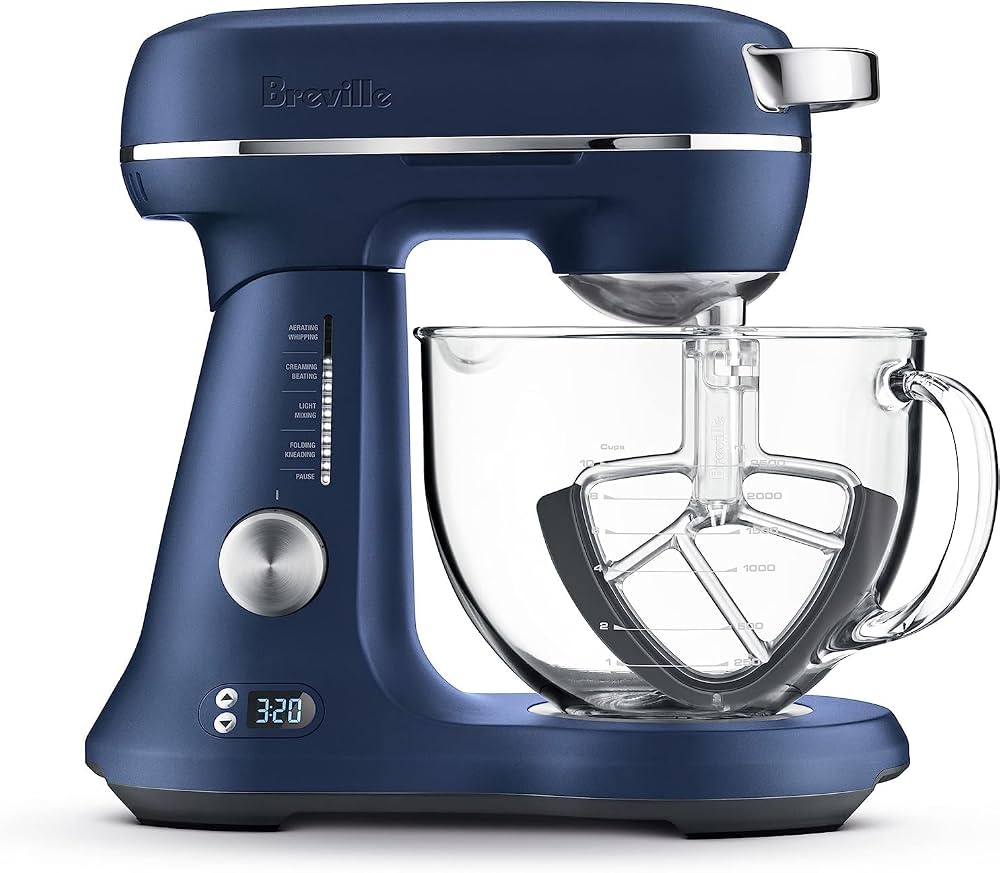
The KitchenAid Artisan Plus remains the default choice for most home cooks. Its planetary mixing action is reliable, and the vast array of attachments makes it a versatile hub for the kitchen. However, it isn’t the most powerful option on the market. For heavy doughs, such as large batches of bread or pizza, the Bosch Universal or the Breville Bakery Chef offer superior torque and stability.
Below is a quick comparison of the top-rated models to help you decide which features matter most for your cooking style.
| Model | Mixing Action | Best For | Power Level |
|---|---|---|---|
| KitchenAid Artisan Plus | Planetary | All-purpose baking | Medium-High |
| Bosch Universal Plus | Dual-head | Heavy doughs | High |
| Breville Bakery Chef | Planetary | Large batches | High |
| Beautiful by Drew Barrymore | Planetary | Light mixing | Medium |
If you prioritize versatility and brand recognition, the KitchenAid is hard to beat. If you bake dense breads regularly, look at the Bosch’s unique dual-head design, which kneads faster and more evenly than traditional planetary mixers. For those who want KitchenAid-like performance with a different footprint, the Breville Bakery Chef offers a larger bowl and a more robust motor.


As an Amazon Associate, we may earn from qualifying purchases.
Ultimately, the "best" mixer depends on what you make most often. For occasional cake and cookie baking, a mid-range model like the Beautiful by Drew Barrymore offers good value. For serious bakers, investing in a high-torque machine like the Bosch or Breville will save you frustration and time.
Inspect the expensive parts
Stand mixers look simple, but their internal mechanics are complex and expensive to replace. The drive gear, worm gear, and motor are the three most common failure points. If you are buying used or looking at older models, checking these components first can save you from a costly repair bill.

The drive gear sits inside the head and connects the motor to the beater attachment. In older KitchenAid models, this was a nylon gear that stripped easily under heavy dough loads. Inspect the gear teeth for rounding or missing chunks. If the gear feels loose or makes a grinding noise when you turn the head, the internal plastic has likely worn out. Replacement gears are cheap, but the labor to access them is significant.
The worm gear is the vertical screw that meshes with the drive gear. It transfers power from the motor up to the head. Look for signs of stripping, especially on the plastic components. A worn worm gear will cause the mixer to lose power or stop working entirely when mixing thick dough. Since this part is located deep inside the head assembly, visual inspection often requires removing the top cover. If you hear a loud clunking sound during operation, the worm gear is likely damaged.
The motor is the most expensive component to replace. Run the mixer at different speeds with a light load. Listen for uneven humming, burning smells, or significant vibration. A healthy motor should run smoothly and quietly. If the motor struggles or overheats quickly, it may have worn brushes or a failing capacitor. For heavy-duty tasks like bread dough, consider models with all-metal gear systems, such as the Bosch Universal or Kenwood Chef, which are known for better motor longevity under stress.
When evaluating a stand mixer, prioritize the build quality of these internal parts over cosmetic features. A scratched bowl is easy to replace; a stripped gear or dead motor is not. If you are buying new, check if the manufacturer uses metal gears for the drive system, as this significantly extends the lifespan of the appliance.
Plan for ownership costs
A stand mixer is a long-term investment, but the sticker price is only the beginning. Cheap models often mask their true cost in replacement parts and shorter lifespans, while premium brands like KitchenAid or Bosch require specific attachments that add up quickly. Understanding these hidden expenses helps you decide if a budget pick will actually save money over five years.
The cost of attachments
Most stand mixers use proprietary attachment hubs. If you buy a KitchenAid, you are locked into their ecosystem. A basic pasta roller or meat grinder can cost $50–$100 each. Bosch mixers, often praised for their raw power and speed, use a different hub system with fewer but sometimes more expensive specialized tools. Before buying, check the price of the attachments you actually need. If you plan to make bread weekly, a dough hook is essential; if you only bake cookies, you might skip the extras.
Maintenance and repair reality
Plastic gears in lower-end mixers (like some Cuisinart or Hamilton Beach models) can strip under heavy loads, especially with thick bread dough. Repairing a stripped gear often costs more than the mixer itself. Metal-gear models from KitchenAid or Kenwood are built to last decades but require occasional lubrication and seal replacements. Bosch Universal mixers are known for durability, but their unique dual-head design means you cannot use standard KitchenAid attachments, limiting your upgrade path. Factor in the cost of a replacement bowl or splash guard if you are prone to messy baking.
When cheap stops being cheap
A $150 mixer might seem like a bargain compared to a $400 KitchenAid Artisan. However, if the motor burns out after two years of regular use, you have spent $75 per year. A $400 mixer lasting ten years costs $40 per year. For occasional bakers, the cheaper option is fine. For weekly bread makers, the higher upfront cost of a robust metal-gear model usually pays off. Check warranty terms: KitchenAid offers a one-year hassle-free replacement, which is a significant safety net. Bosch and Kenwood often have longer motor warranties, signaling confidence in their mechanics.


As an Amazon Associate, we may earn from qualifying purchases.
Stand mixer reviews: common: what to check next
We know that standing in the kitchen aisle or scrolling through online listings can feel overwhelming. You have a budget, a list of recipes, and not enough time to research every motor spec. Here are the answers to the questions we get most often about stand mixers, based on our testing and reader feedback.
No comments yet. Be the first to share your thoughts!