
Stand mixer reviews budget
When replacing an Instant Pot or air fryer with a stand mixer, your budget defines the capability ceiling. You aren't just buying a motor; you are buying durability for heavy doughs. The following models represent the most realistic entry points for 2026, balancing cost against long-term reliability.

As an Amazon Associate, we may earn from qualifying purchases.
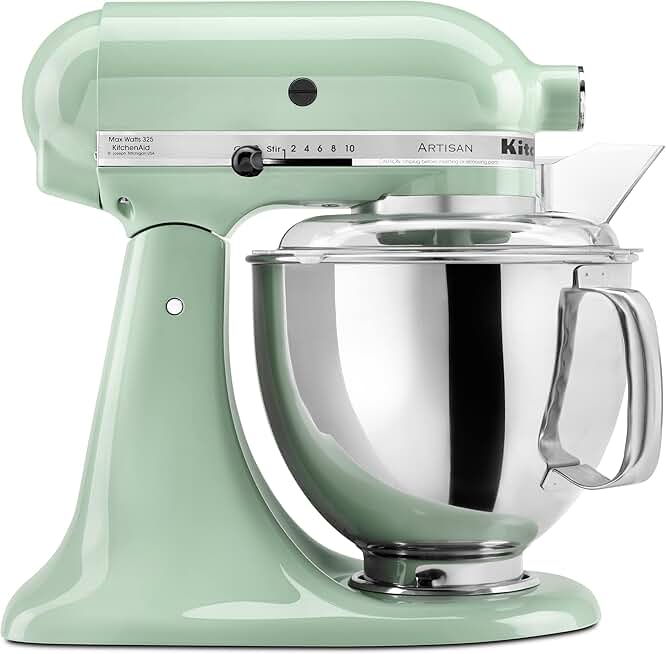
The KitchenAid Artisan Plus sits in the mid-range sweet spot. It offers the iconic tilt-head design with a slightly more powerful motor than older models, making it the default choice for most home bakers who don't regularly mix dense rye or bagel doughs. It is the safest bet for general-purpose use.
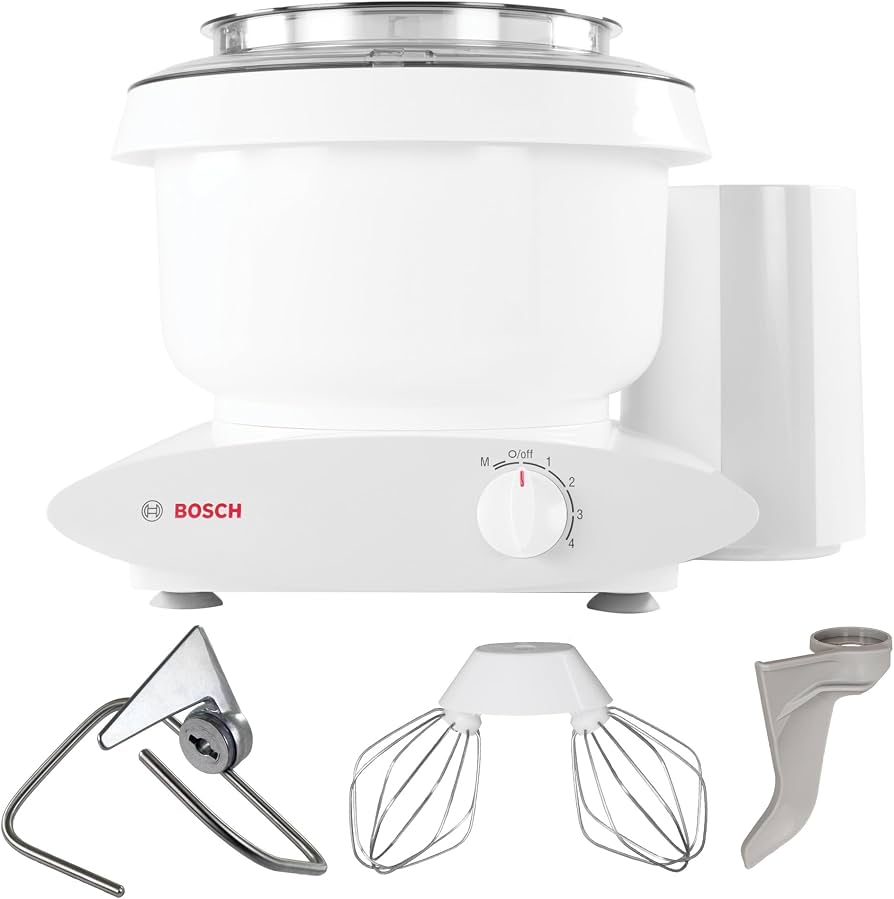
If you bake bread weekly, the Bosch Universal Plus is the practical alternative. Unlike KitchenAid’s top-driven gears, the Bosch mixes from the bottom up, reducing strain on the motor. It handles stiff doughs better than any mixer in this price tier, though it requires a learning curve for attachment usage.
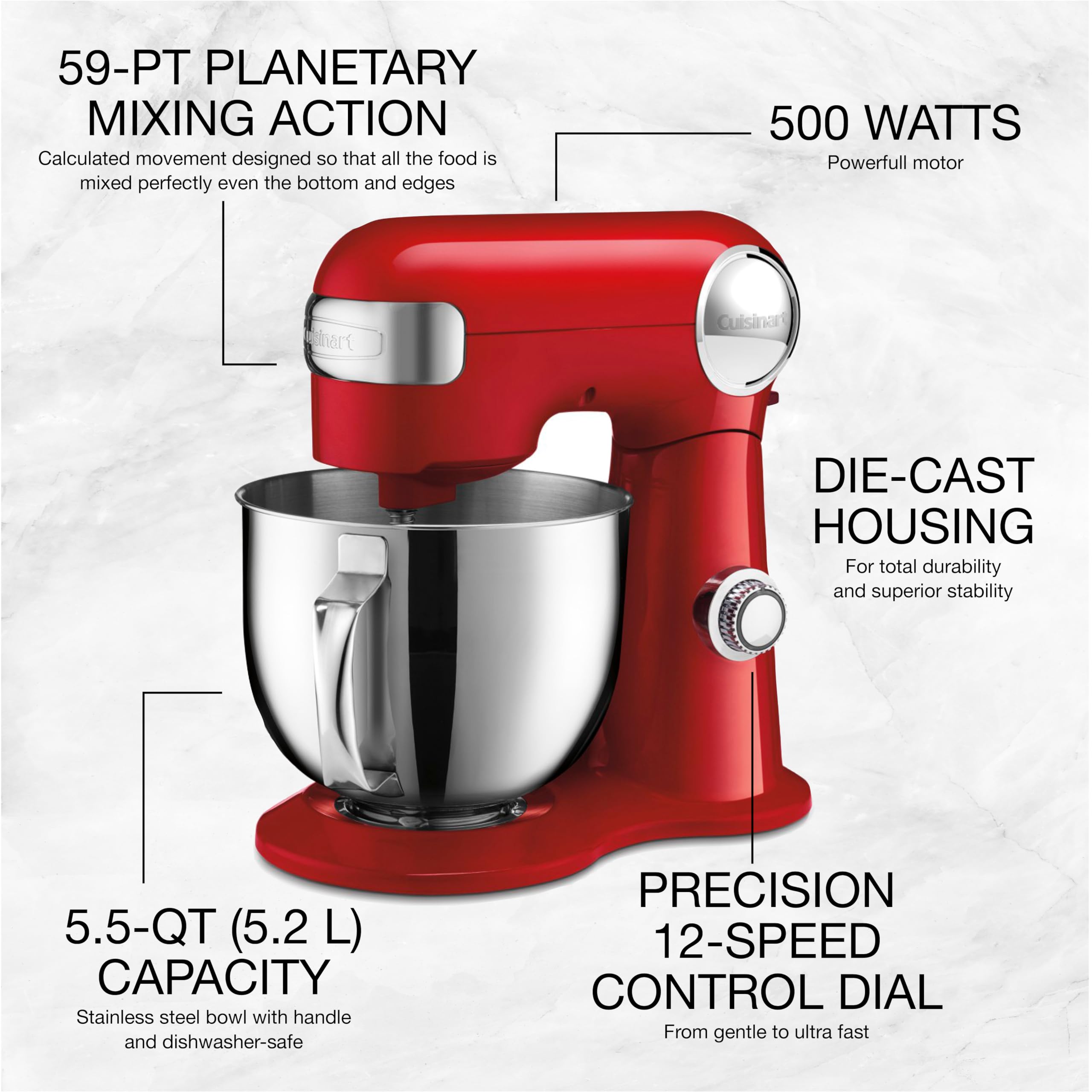
For those on a tighter budget, the Cuisinart Precision Master offers solid performance without the brand premium. It lacks the vast ecosystem of attachments found with KitchenAid, but for basic mixing, whipping, and kneading, it performs reliably. Avoid the cheapest no-name brands; their gears strip under load, turning a one-time purchase into a recurring expense.
Shortlist real options
Choosing the right stand mixer depends less on brand loyalty and more on the specific tasks you perform in your kitchen. While the KitchenAid Artisan Plus remains the standard for general home baking, other models offer distinct advantages for heavy doughs or specific planetary mixing needs. We evaluated the strongest contenders to help you decide which machine complements your air fryer and Instant Pot routine.
The Bosch Universal stands out for its power and speed. Unlike traditional planetary mixers that rely on a single rotating beater, the Bosch uses a dual-head system that mimics hand kneading. Consumer Reports notes this design allows it to handle heavy bread doughs more efficiently than many competitors. If you bake frequently and need a machine that can knead stiff doughs without straining the motor, the Bosch is a top contender.
For those who prefer the classic planetary action, the KitchenAid Artisan Plus is widely regarded as the best all-around option. Serious Eats describes it as "the first and last stand mixer most home bakers will need." Its upgraded design includes a pouring shield and a more powerful motor than previous models, making it versatile for everything from whipping cream to mixing cake batter. It is the safest choice if you want a reliable workhorse with endless attachment compatibility.
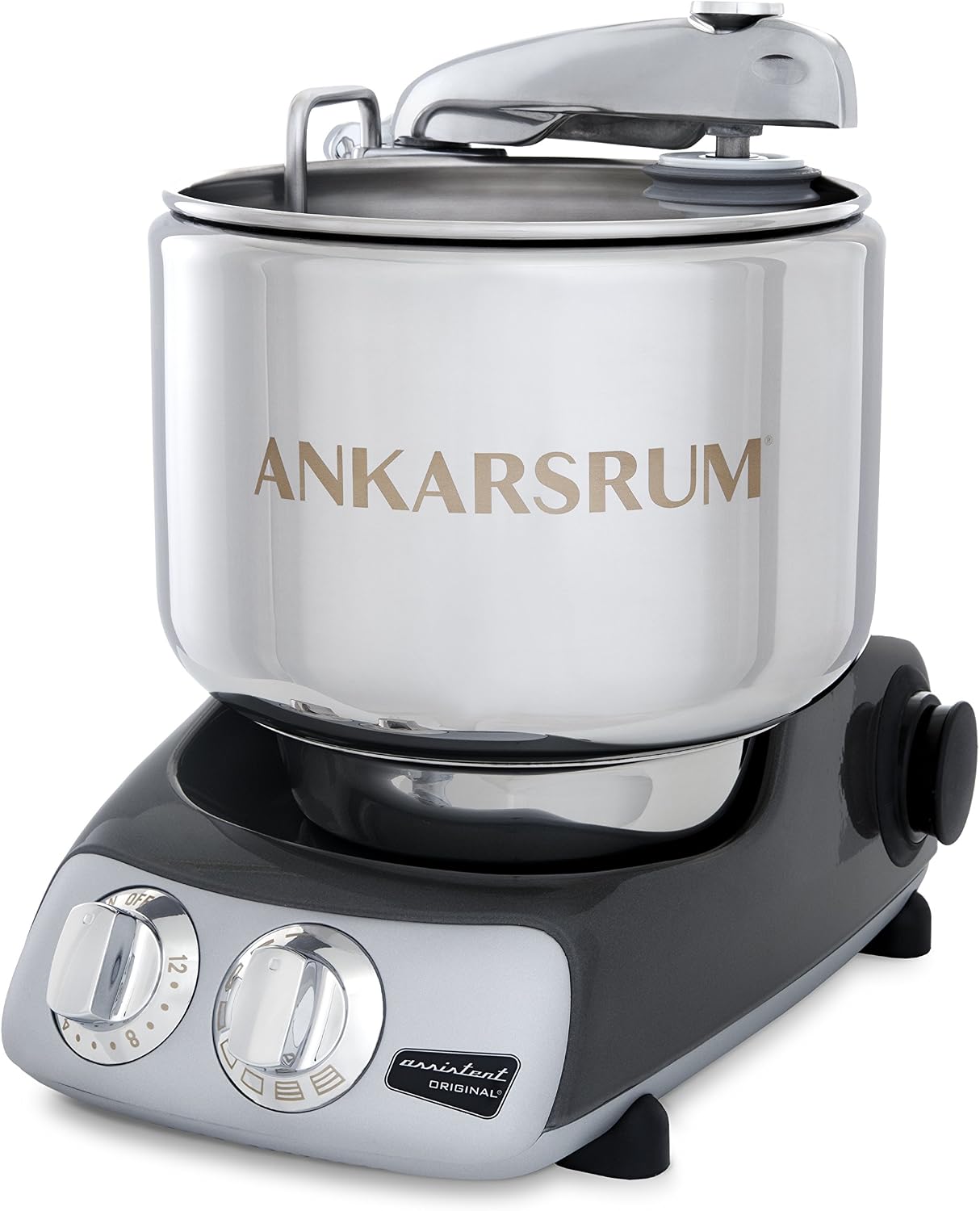
The Ankarsrum Original is another strong alternative, particularly for bread enthusiasts. It operates differently from both the Bosch and KitchenAid, using a rotating bowl and stationary rollers. This gentle action preserves gluten structure, resulting in better texture for artisan breads. While it has a learning curve, it is often recommended by serious bakers who find KitchenAid models struggling with large batches of dense dough.
Comparison Table
| Model | Best For | Mixing Action | Key Advantage |
|---|---|---|---|
| Bosch Universal | Heavy Doughs | Dual-Head | Fastest kneading; handles stiff doughs |
| KitchenAid Artisan Plus | All-Purpose Baking | Planetary | Versatile; wide attachment ecosystem |
| Ankarsrum Original | Artisan Bread | Bowl Roller | Gentle gluten development; large capacity |
| Cuisinart Precision Master | Budget Baking | Planetary | Affordable; reliable for light tasks |
Key Takeaways
- For bread bakers: The Bosch Universal or Ankarsrum Original are superior for heavy doughs.
- For general use: The KitchenAid Artisan Plus offers the best balance of power and versatility.
- For budget-conscious buyers: The Cuisinart Precision Master provides reliable planetary mixing at a lower price point.


As an Amazon Associate, we may earn from qualifying purchases.
Inspect the expensive parts
Stand mixers are built to last decades, but the repair bills can be steep. When planning your upgrade, focus your inspection on the drive system and the gears that transfer power. These components take the most stress, especially when you’re mixing heavy dough for bread or thick cookie batches. A failure here usually means replacing the entire unit, so knowing what to look for saves money.
Check the worm gear
The worm gear is a plastic or metal piece that connects the motor to the main drive shaft. In many popular models, this part is made of durable plastic. Over time, the teeth can strip or crack if you overload the machine. Inspect this gear before buying used or even new; a stripped gear turns a $300 mixer into a paperweight. If the mixer has a metal drive gear, it’s more expensive upfront but far less likely to snap under pressure.
Inspect the transmission gears
Inside the mixer’s head, a set of gears moves the beater and the shaft. These are often metal or high-impact plastic. Look for signs of wear, chipping, or missing teeth. If you’re buying a new model, check if the manufacturer offers these gears as spare parts. Some brands use proprietary gears that are hard to find, while others sell them openly. Easy access to replacement gears extends the life of the machine significantly.
Examine the motor and coupler
The motor is the heart of the mixer. Listen for unusual humming or grinding noises, which indicate worn bearings. Also, check the coupler—the small plastic piece that connects the motor to the gear train. It’s designed to break if the mixer jams, protecting the motor. A worn or broken coupler is a cheap fix, but if the motor itself is failing, the repair cost often exceeds the value of the mixer. Ensure the motor housing is intact and free of cracks or burn marks.
Ownership costs and maintenance surprises
A stand mixer is a long-term investment, and the sticker price is only the beginning. While an Instant Pot or air fryer might need occasional seals or baskets, a stand mixer requires consistent care to keep its gears and motor running smoothly. The real cost often comes from attachments and repairs that pop up years later.
The hidden cost of attachments
The base mixer is rarely enough. Most recipes require specific tools—dough hooks for bread, wire whisks for meringues, and flat beaters for cookies. These aren't usually included in the standard box. If you buy a budget model, you might save upfront, but you'll likely spend more later replacing plastic parts that strip or break under heavy loads. A durable metal gear system, found in higher-end models like the KitchenAid Artisan Plus or the Bosch Universal, reduces the risk of costly internal repairs.
Repair vs. replace
When a mixer fails, it's often a gear issue or a worn motor brush. In entry-level models, these parts are not user-replaceable, meaning the whole unit becomes trash. Mid-range and premium mixers are designed to be serviced. A simple $20 gear kit can extend the life of a $300 mixer by another decade. This durability is why the KitchenAid Artisan Plus is often cited as the "first and last" mixer for serious home bakers—it holds its value and remains repairable.
Cleaning and upkeep
Routine maintenance is simple but essential. Wipe down the stainless steel bowl and attachments after every use to prevent corrosion, especially if you're mixing acidic ingredients like lemon or vinegar. The motor head should never be submerged in water. For the base, a dry cloth is enough. Neglecting these basics can lead to rust or motor overheating, which voids warranties and increases long-term costs.


As an Amazon Associate, we may earn from qualifying purchases.
Stand mixer reviews: what to check next
You have likely seen the same four questions pop up across Reddit threads, SERP snippets, and comment sections. They all boil down to one tradeoff: do you want the convenience of a tilt-head mixer or the raw power of a direct-drive workhorse?
What stand mixer has the best reviews?
The KitchenAid Artisan Plus 5-Qt. consistently tops review lists from Bon Appétit, Serious Eats, and Consumer Reports. It is the default choice for most home bakers because it balances speed, capacity, and accessory compatibility. It is the first and last mixer most people will ever need.
Which stand mixer is the best to buy?
If you bake bread frequently, buy a Bosch Universal or Ankarsrum. These direct-drive models handle heavy dough without straining the motor. For occasional cakes and cookies, the KitchenAid Artisan Plus is easier to use and clean. Your purchase should match your actual weekly baking volume.
Is there a better stand mixer than KitchenAid?
Yes, if you make dense breads. KitchenAid’s planetary mixing action can struggle with stiff doughs, often requiring you to stop and scrape the bowl. The Bosch and Ankarsrum use different mechanisms that knead dough more efficiently and quietly, making them superior for serious bread bakers.
What stand mixer does America’s Test Kitchen recommend?
America’s Test Kitchen recommends the KitchenAid Artisan Plus for its versatility and power. They note that the added bowl-lift mechanism and wider bowl make it more stable than older tilt-head models. It is their top pick for all-around home baking performance.
No comments yet. Be the first to share your thoughts!